

Living in Miami Design District – Ultimate Guide to Boutique Homes & Luxury Lifestyle (2025)
The Miami Design District stands as one of South Florida’s most distinctive neighborhoods, where global luxury retail meets residential sophistication. Once known primarily for furniture showrooms and design studios, this vibrant district has evolved into an internationally recognized destination that seamlessly blends high-end shopping, contemporary art, world-class dining, and boutique residential living.
Located just north of Midtown Miami and minutes from Edgewater‘s waterfront towers, the Design District offers an increasingly rare combination: walkable access to flagship luxury stores and cultural institutions, paired with an intimate residential market characterized by carefully curated condominiums, lofts, and townhomes. For those seeking a lifestyle anchored by design, culture, and convenience, this neighborhood delivers an experience unlike anywhere else in Miami-Dade County.
Table of Contents
- Location & Geography
- Getting Around: Walkability & Transit
- Lifestyle & Culture: Living Among Art, Fashion & Design
- Real Estate Market: Miami Design District Homes for Sale
- Dining & Entertainment: A Culinary & Cultural Destination
- Schools & Education: Options for Families
- Safety & Community: Living in an Evolving Urban District
- Pros & Cons: Is Miami Design District Right for You?
- Who Should Live in Miami Design District?
- Conclusion: Embracing Design District Living
- Frequently Asked Questions
Miami Design District Quick Facts
Location & Geography
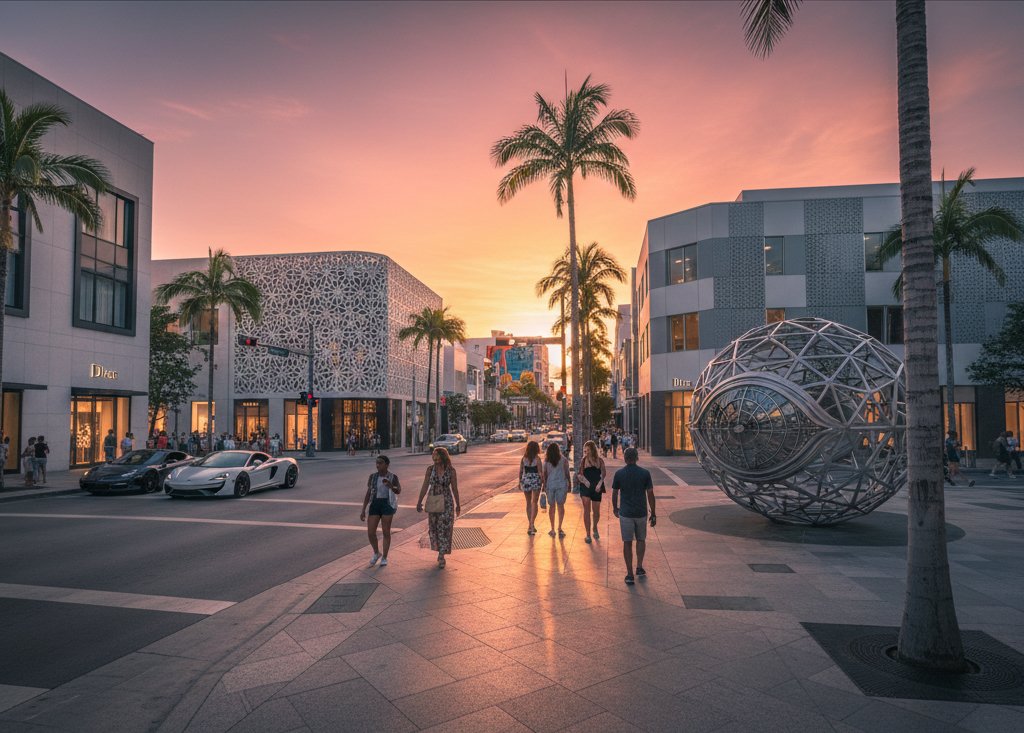
The Miami Design District occupies a compact but powerful footprint in the City of Miami, centered primarily along the NE 2nd Avenue pedestrian promenade between approximately NE 36th and 43rd Streets. The neighborhood sits within Miami-Dade County, with ZIP codes 33137 and parts of 33127 covering the area.
Geographically, the Design District benefits from an enviable position. To the east lies Edgewater, with its stunning Biscayne Bay views and luxury high-rise towers like Missoni Baia and Elysee. Just south, Midtown Miami provides big-box retail, supermarkets, and daily conveniences. The creative energy of Wynwood pulses nearby, while the historic neighborhood of Buena Vista borders to the west, and Little Haiti extends to the north.
This strategic location means Design District residents enjoy multiple lifestyle zones within a 5-10 minute radius. Need groceries? Midtown‘s Target or Whole Foods are minutes away. Craving waterfront dining? Edgewater‘s bayfront restaurants await. Want to explore street art and galleries? Wynwood is right there. This geographic versatility makes the Design District an ideal base for those who value both luxury and practicality.
Major access points include NE 36th Street, which connects to I-195 and the Julia Tuttle Causeway for quick trips to Miami Beach. Biscayne Boulevard (US-1) runs along the eastern edge, providing direct routes to Downtown Miami, Brickell, and points north toward Aventura and Fort Lauderdale.
Proximity to Major Destinations
From the Design District, you can reach Miami International Airport (MIA) in 15-20 minutes. Downtown Miami and Brickell are just 8-14 minutes away. The city’s strategic location provides quick access to both Miami’s business districts and South Florida’s broader leisure destinations.
Getting Around: Walkability & Transit in Miami Design District
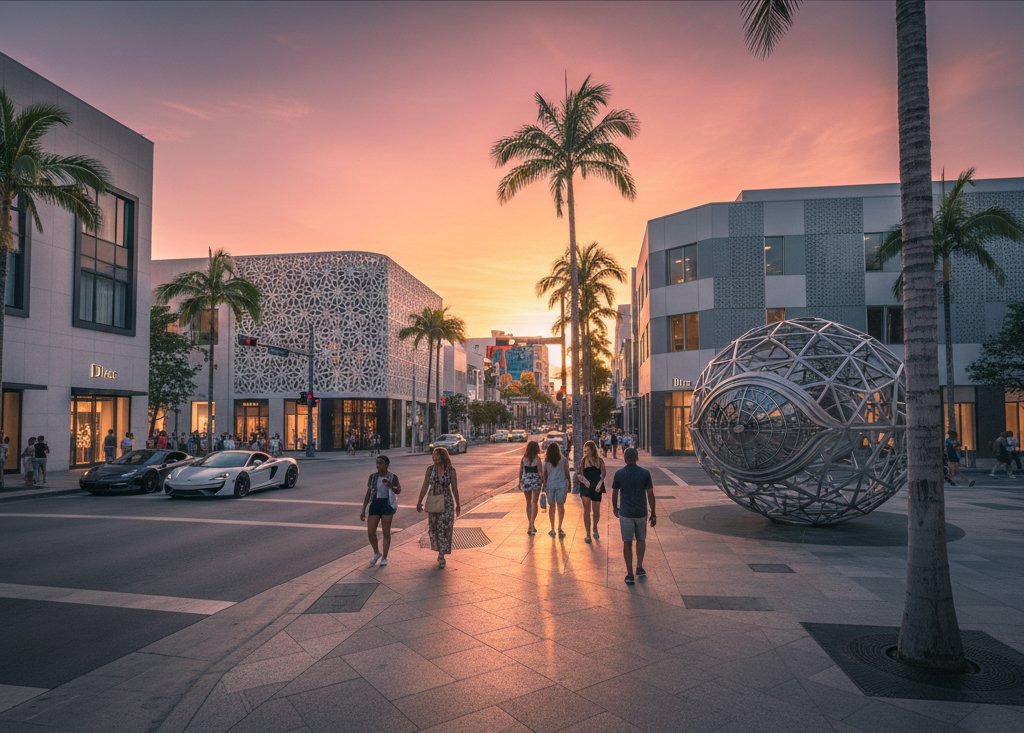
The Miami Design District offers a unique walkability profile for Miami. Within the core retail and cultural blocks—particularly along NE 2nd Avenue and around Palm Court—pedestrian infrastructure is exceptional. Wide sidewalks, shaded promenades, public art installations, and curated streetscapes make walking a pleasure rather than a necessity.
For daily life, however, most Design District residents still benefit from having a car. While you can easily walk to dozens of luxury boutiques, galleries, and chef-driven restaurants within the district itself, trips to grocery stores, airports, and other Miami neighborhoods typically require driving or ride-sharing.
Transit Options:
- Metrobus: Several routes serve the area, connecting to Downtown Miami and other parts of Miami-Dade
- Miami Trolley: Free trolley service provides connections to nearby neighborhoods
- Brightline: While not directly in the neighborhood, MiamiCentral station is just 10-12 minutes away by car, offering high-speed rail to Fort Lauderdale, West Palm Beach, and Orlando
- Bike/Scooter: The district's flat terrain and improving bike infrastructure make cycling increasingly viable for short trips
Typical Commute Times (non-rush):
- To Downtown Miami / Brickell: 8-14 minutes
- To Miami Beach: 10-15 minutes via Julia Tuttle Causeway
- To Miami International Airport (MIA): 15-20 minutes
- To Fort Lauderdale: 35-50 minutes
- To Wynwood / Midtown / Edgewater: 2-6 minutes
For those who work remotely or in creative industries, the Design District's walkable core provides an inspiring environment where you can handle errands, meetings, and leisure activities largely on foot within the district boundaries.
Lifestyle & Culture: Living Among Art, Fashion & Design
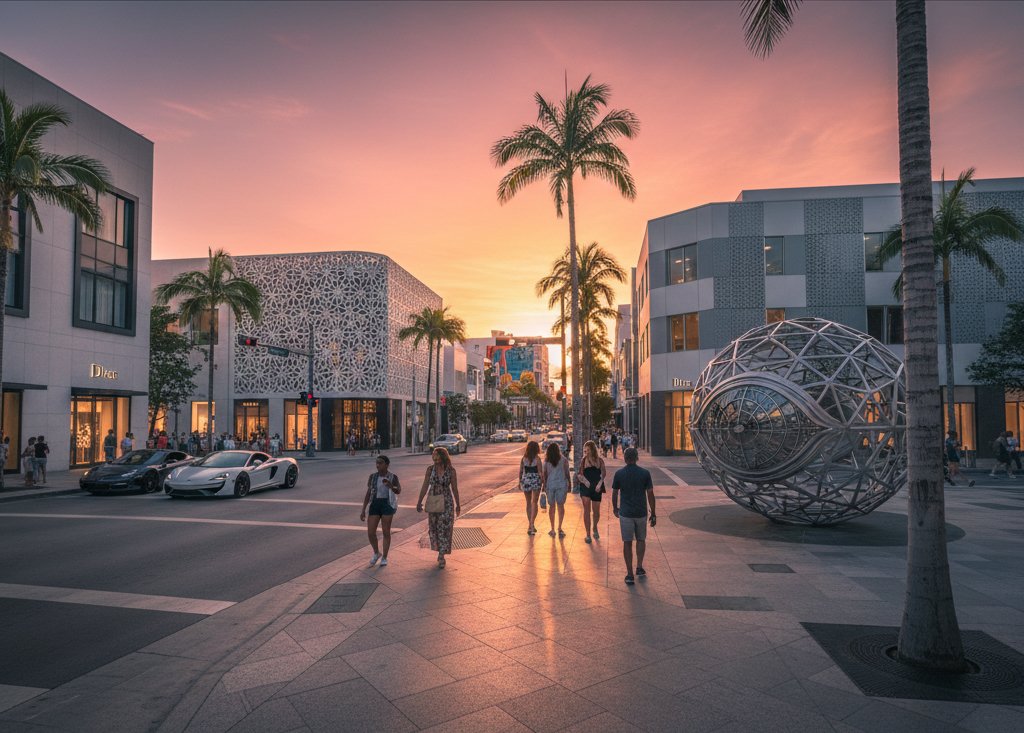
The Miami Design District's lifestyle is its defining characteristic. This is a neighborhood where architecture makes statements, where public art transforms streetscapes, and where everyday errands can feel like curated experiences.
The Daily Rhythm:
Morning in the Design District might begin with espresso at a design-forward café, followed by a walk past Museum Garage's architectural marvel—a parking structure that itself functions as art. Afternoons could involve browsing home furnishing showrooms or catching an exhibition at one of the district's contemporary galleries. Evenings transition seamlessly from aperitivo at an Italian trattoria to dinner at a Michelin-caliber restaurant.
Art & Culture:
The district functions as both an outdoor gallery and cultural hub. Major international fashion houses, luxury watchmakers, and avant-garde designers maintain flagship locations here. Public art installations change seasonally, ensuring the streetscape never feels static. While Wynwood claims the title for street art and gallery density, the Design District offers a more polished, museum-quality approach to public art integration.
Proximity to PAMM (Pérez Art Museum Miami) and Frost Science Museum in Downtown Miami adds another cultural dimension for residents, all accessible within 15 minutes.
Community Vibe:
Unlike family-oriented neighborhoods like Pinecrest or Coral Gables, the Design District attracts a specific demographic: design professionals, fashion industry insiders, creative executives, international buyers maintaining pied-à-terre properties, and investors seeking lifestyle-anchored assets. The atmosphere is sophisticated, cosmopolitan, and decidedly adult-oriented.
Events like Art Basel Miami Beach transform the neighborhood each December, with satellite programming, gallery openings, and pop-ups creating exceptional energy (and seasonal rental demand for investors). Miami Fashion Week, auto shows, and design festivals provide additional programming throughout the year.
Real Estate Market: Miami Design District Homes for Sale
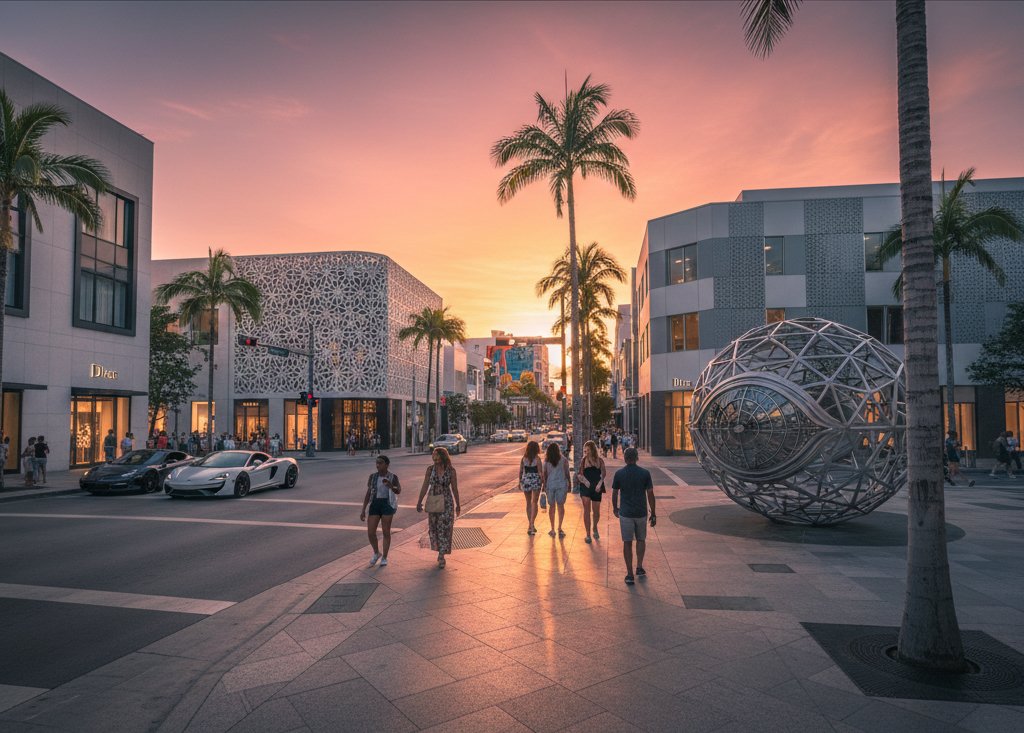
The Miami Design District real estate market operates on scarcity principles. Unlike Brickell's seemingly endless tower inventory or Sunny Isles Beach's beachfront condo corridor, the Design District offers a limited residential footprint—making each well-positioned unit a genuinely rare commodity.
Housing Types:
The residential inventory consists primarily of:
- Boutique condominiums: Small to mid-sized buildings with distinctive architecture and upscale finishes
- Converted lofts: Former industrial or commercial spaces transformed into residential units
- Townhomes: Limited availability, typically in transitional blocks near Buena Vista
- Mixed-use buildings: Ground-floor retail with residences above
Single-family homes are scarce within the commercial core, though they become more common in adjacent Buena Vista to the west.
Price Ranges (2024-2025 Indicative):
- Boutique condos/lofts: Approximately $650,000–$1,500,000+, depending on building, finishes, square footage, parking, and proximity to the NE 2nd Avenue promenade
- Premium units: Properties with exceptional outdoor space, multiple parking spots, or direct flagship retail adjacency can command significant premiums above $1.5M
- Rental rates: 1BR units typically range $3,000–$3,700/month; 2BR units $4,200–$6,200/month; larger townhomes and lofts with high-end finishes can achieve $6,000–$10,000+/month
Market Conditions:
The Design District maintains a **balanced to investor-friendly** market as of 2025. While broader Miami-Dade inventory levels and higher carrying costs have tempered bidding wars, the neighborhood's limited door count creates persistent scarcity value. Properties that emphasize design pedigree, secure parking (a genuine challenge in the district), private outdoor space, and quiet-side unit positioning away from nightlife noise maintain pricing resilience.
New Developments:
Boutique concepts similar to Quattro Design District and various loft/townhome conversions continue to emerge, though the pace is measured rather than frenetic. For buyers interested in **new constructions** in nearby areas, Edgewater offers towers like Missoni Baia, Elysee, and Aria Reserve, while Midtown Miami features Hyde Midtown and other projects—all within minutes of Design District amenities.
Investor Considerations:
The Design District presents interesting investment dynamics:
Demand Drivers:
- Year-round luxury retail foot traffic and international tourism
- Proximity to multiple high-demand neighborhoods (Wynwood, Edgewater, Midtown)
- Event-driven rental peaks (Art Basel, fashion weeks, auto shows)
- Growing creative industry employment in the district
Yield Patterns:
Boutique units can achieve above-average effective rents on a per-square-foot basis, particularly when offering parking, high-end finishes, outdoor space, and walk-to-luxury access. Annual gross yields typically range 3–5%. Short-term rentals (30-90 days) where permitted can potentially outperform due to event calendars.
Short-Term Rental Rules:
STR feasibility is highly **building-dependent** in the Design District. City of Miami requires licensing (BTR + Certificate of Use + state lodging registration), but many boutique condo buildings impose 30-day minimum lease terms or prohibit short-term rentals entirely in their bylaws. **Always verify condo documents and zoning for each specific address** before purchasing with STR intent.
Risk Factors:
- Small-building HOA reserves and Florida insurance volatility
- Parking scarcity in the core can impact value
- Exposure to retail/event cycles affecting foot traffic
- Noise from nightlife venues on certain blocks
Investment Strategy:
Successful Design District investments emphasize **location within the district** (promenade proximity), **parking availability**, **outdoor space** (balconies, terraces, rooftop access), and **quiet-side positioning** to minimize nightlife disruptions. Properties with these characteristics maintain stronger value retention and rental appeal.
For comprehensive guidance on investing in Miami real estate or buying in Miami, Amarante Real Estate offers expert consultation tailored to your investment goals.
Dining & Entertainment: A Culinary & Cultural Destination
The Miami Design District has evolved into one of South Florida's premier dining and entertainment destinations, rivaling even Brickell and Coral Gables for culinary sophistication.
Dining Scene:
The district boasts an impressive concentration of chef-driven restaurants, ranging from Italian trattorias and French bistros to innovative Pan-Asian concepts and contemporary American cuisine. Patisseries, gelaterias, and specialty coffee roasters provide European-style café culture along the pedestrian promenade.
Notable aspects include:
- Multiple James Beard-recognized chefs and restaurants
- Flagship dining concepts from international hospitality groups
- Sidewalk dining along beautifully landscaped streetscapes
- Late-night options catering to the fashion and entertainment industry
Shopping:
The Design District's retail landscape is unmatched in South Florida for luxury concentration:
- LVMH maisons (Louis Vuitton, Dior, Fendi, etc.)
- Kering brands (Gucci, Saint Laurent, Bottega Veneta)
- Richemont houses (Cartier, Van Cleef & Arpels)
- Independent luxury boutiques
- High-end watch and jewelry specialists
- Curated home furnishing and interior design showrooms
This retail density creates a lifestyle advantage for residents: you can handle luxury shopping, gifts, and personal wardrobe needs without traveling to Aventura Mall or Bal Harbour Shops.
Nightlife & Entertainment:
While not a nightlife district on the scale of Miami Beach's South Beach or Downtown Miami, the Design District offers upscale lounges, wine bars, and cocktail programs integrated into its restaurant scene. The energy is sophisticated rather than club-oriented, attracting fashion industry professionals and design enthusiasts rather than bachelor parties.
For broader entertainment options, residents are minutes from Wynwood's brewery and gallery scene, Edgewater's waterfront venues, and Brickell's rooftop bars.
Schools & Education: Options for Families
The Miami Design District is not primarily a family neighborhood, but families who value urban sophistication and cultural access do live here. Educational options require understanding the broader Miami-Dade school system and private school landscape.
Public/Magnet Schools:
The district's most significant educational asset is **DASH (Design & Architecture Senior High)**, a competitive-admission magnet school located within the neighborhood boundaries. DASH ranks among the nation's most celebrated magnet programs for students interested in design, architecture, and creative fields. Admission is selective, requiring portfolio submissions and academic qualifications.
Elementary and middle school assignments depend on specific addresses within the district and access to Miami-Dade's magnet system. Families should research zoned schools and apply for magnet programs early.
Private Schools (within 10-25 minutes):
- Cushman School (Upper Eastside) – PK-8 independent school
- Centner School (Edgewater/Wynwood boundary) – Alternative education model
- Miami Country Day School (North Miami) – PK-12, strong academics and athletics
- Ransom Everglades and **Carrollton** (Coconut Grove) – Elite college prep institutions
- Gulliver Schools (multiple campuses) – Comprehensive PK-12 programs
The Design District's central location means most major private schools are within a 15-25 minute drive, making morning commutes manageable.
Higher Education:
- Miami Dade College – Wolfson Campus (Downtown Miami)
- University of Miami (Coral Gables campus)
- Florida International University (multiple campuses)
- Design institutes and architecture studios in or near the district
For families with school-age children seeking more traditional residential environments with highly-rated public schools, neighborhoods like Pinecrest, Coral Gables, or Weston might offer better fits, though none match the Design District's cultural amenities and urban walkability.
Safety & Community: Living in an Evolving Urban District
The Miami Design District has experienced significant investment in infrastructure, security, and streetscape improvements as it has transformed into a global luxury destination. The neighborhood benefits from private security, extensive surveillance systems, and consistent foot traffic during retail hours.
Safety Profile:
The commercial core—particularly along NE 2nd Avenue and around Palm Court—maintains a visible security presence and generally safe environment, especially during daytime and evening hours when shops and restaurants are active. The district's transformation has brought substantial capital investment, lighting improvements, and urban design that support public safety.
As with any urban neighborhood, awareness remains important. Blocks on the periphery, particularly late at night, require the same urban common sense you'd apply in Downtown Miami or Wynwood. Residents should research specific buildings and blocks, as safety perceptions can vary within a few streets.
Community Character:
The Design District operates more as a daytime/evening destination than a traditional residential community. Unlike family-oriented neighborhoods with parks, playgrounds, and community centers, the Design District's public spaces revolve around retail, dining, and cultural programming.
This creates both advantages and trade-offs:
Advantages:
- Incredible walkable amenities and services
- Year-round events and programming
- Sophisticated, cosmopolitan atmosphere
- Strong sense of place and distinctive identity
Trade-offs:
- Limited traditional parks and green spaces for families
- Tourist and visitor crowds, especially during major events
- Some nightlife noise on certain blocks
- More transient than established residential neighborhoods
For those seeking a quiet, residential sanctuary, neighborhoods like Coral Gables, Coconut Grove, or Pinecrest offer more traditional community environments. The Design District appeals to those who embrace urban energy and prioritize culture and convenience over traditional suburban calm.
Pros & Cons: Is Miami Design District Right for You?
✓ Pros
- Unmatched walkable luxury retail and dining – Flagship stores and chef-driven restaurants steps from home
- Cultural amenities and public art – Living in a designed environment with world-class art integration
- Central location – Minutes to Wynwood, Edgewater, Midtown, Brickell, Downtown Miami, and Miami Beach
- Boutique residential character – Limited inventory creates genuine scarcity value
- Investment potential – Event-driven rental demand and international buyer interest
- Design-forward architecture – Buildings and public spaces emphasize aesthetics and innovation
- Strong airport access – 15-20 minutes to MIA, reasonable distance to FLL
- Growing employment hub – Creative industry jobs within the district
✗ Cons
- Limited residential inventory – Finding the right unit requires patience and persistence
- Parking challenges – Secure parking is scarce and valuable; many buildings have limited spots
- Car still necessary – Despite walkability within district, accessing most Miami requires driving
- Noise considerations – Some blocks experience nightlife and event-related noise
- Not family-optimized – Limited parks, playgrounds, and traditional residential community feel
- Tourist crowds – Major events (Art Basel, fashion weeks) bring temporary density increases
- HOA/building variability – Small boutique buildings may have less robust reserves or amenities than large towers in Brickell or Edgewater
- STR restrictions – Many buildings prohibit or limit short-term rentals, affecting investor strategies
- Higher per-SF costs – Premium positioning commands premium pricing compared to some nearby alternatives
Who Should Live in Miami Design District?
The Miami Design District attracts specific resident profiles:
Ideal Residents:
- Design and creative professionals – Those working in fashion, interior design, architecture, or related fields who value being in the epicenter of Miami's design culture
- Fashion industry insiders – Buyers, stylists, and executives who benefit from flagship store proximity
- Luxury retail enthusiasts – People who genuinely use and appreciate high-end shopping access
- Art collectors and culture seekers – Those who want gallery openings, exhibitions, and public art integrated into daily life
- International buyers with pied-à-terre needs – Latin American and European buyers maintaining part-time Miami residences near luxury amenities
- Lifestyle-focused investors – Those seeking properties with strong narrative appeal and event-driven rental potential
- Urban sophisticates – Professionals who prioritize location, culture, and convenience over space and traditional suburban amenities
- Remote workers in creative fields – People who can live anywhere but choose to anchor in a design-forward environment
Less Ideal For:
- Families with young children seeking extensive parks, playgrounds, and family-oriented programming
- Budget-conscious buyers or renters (more affordable options exist in Doral, Hollywood, or emerging neighborhoods)
- People requiring significant parking or garage space
- Those who prefer beachfront living (Miami Beach, Sunny Isles Beach, Key Biscayne)
- Individuals seeking traditional suburban environments (Weston, Pinecrest)
Conclusion: Embracing Design District Living
The Miami Design District represents a rare synthesis: a neighborhood that functions simultaneously as a global luxury destination and an intimate residential micro-market. For those who value design, culture, and urban sophistication, few Miami neighborhoods deliver comparable experiences.
Living here means morning espresso at a sidewalk café overlooking public art installations, afternoon meetings in design showrooms steps from home, and evening dinners at restaurants that would anchor entire neighborhoods elsewhere. It means being minutes from the waterfront serenity of Edgewater, the creative chaos of Wynwood, the business energy of Brickell, and the beach culture of Miami Beach—while calling one of Miami's most distinctive districts home.
The residential market's limited inventory ensures genuine scarcity value, though finding the perfect unit requires patience and expertise. Parking, outdoor space, and quiet positioning within the district become critical differentiators. Short-term rental potential varies dramatically by building, making thorough due diligence essential for investors.
For the right buyer or renter—someone who genuinely uses and values what the district offers—Miami Design District living delivers an unmatched South Florida lifestyle. The neighborhood's evolution from industrial design showrooms to global luxury hub continues, promising even greater sophistication in the years ahead.
Whether you're searching for a boutique condo within walking distance of flagship luxury stores, evaluating investment opportunities in this unique micro-market, or comparing the Design District to other Miami neighborhoods like Brickell, Edgewater, Wynwood, or Midtown Miami, Amarante Real Estate offers expert guidance backed by deep local knowledge.
Discover available homes for sale in Miami, explore comprehensive resources about relocating to Miami, or learn more about renting in Miami to experience the neighborhood before committing to purchase.
Contact Amarante Real Estate today to find your perfect Miami Design District home and embrace the ultimate design-forward lifestyle.
Frequently Asked Questions
Is the Miami Design District a good place to live?
The Miami Design District is excellent for design professionals, luxury retail enthusiasts, and urban sophisticates who value walkable access to flagship stores, art galleries, and chef-driven restaurants. It's less ideal for families seeking traditional parks and suburban environments.
Are short-term rentals allowed in Miami Design District?
Short-term rental feasibility is building-dependent in the Design District. While the City of Miami allows STRs with proper licensing, many boutique condo buildings impose 30-day minimum lease terms or prohibit short-term rentals entirely. Always verify condo bylaws before purchasing.
What is the price range for condos in Miami Design District?
Boutique condos and lofts in the Miami Design District typically range from approximately $650,000 to $1,500,000+, depending on building quality, finishes, parking availability, and proximity to the NE 2nd Avenue promenade. Premium units with exceptional features can exceed $1.5M.
Which neighborhoods are close to Miami Design District?
The Design District is adjacent to Midtown Miami (south), Edgewater (east), Wynwood (nearby), and Buena Vista (west). Downtown Miami and Brickell are 8-14 minutes away, while Miami Beach is 10-15 minutes via the Julia Tuttle Causeway.
Find Your Dream Home in Miami Design District
Whether you're searching for a boutique condo near luxury retail, evaluating investment opportunities, or comparing the Design District to other Miami neighborhoods, Amarante Real Estate connects you with the finest properties.