
UNDERSTANDING PRE-CONSTRUCTION LUXURY CONDOS: MIAMI WORLDCENTER’S $465M DEVELOPMENT SIGNALS MARKET CONFIDENCE
Naftali Group secured $465M for JEM Private Residences at Miami Worldcenter. Learn what massive development financing means for pre-construction buyers and luxury condo investors.
Why Developer Financing Signals Market Confidence
When a major real estate developer secures hundreds of millions in construction financing, it sends a powerful signal to the market. Understanding what these financial commitments mean helps buyers, investors, and market watchers interpret broader real estate trends.
What $465 Million in Construction Financing Means
Naftali Group’s recent $465 million financing package for JEM Private Residences at miami worldcenter new development represents one of South Florida’s largest construction loans in recent years. This isn’t a developer’s personal capital—it’s institutional money from lenders who conducted extensive due diligence before committing.
Large-scale construction financing requires developers to demonstrate:
- Pre-sales commitments: Lenders typically require 20-30% of units sold or under contract before funding construction. The recent $8 million sky villa contract signals strong early demand meeting lender requirements.
- Market analysis: Lenders commission independent market studies confirming sufficient demand, appropriate pricing, and viable absorption rates for the inventory being created.
- Developer financial strength: Construction loans require significant developer equity contributions (typically 20-30% of total project costs). Naftali Group’s ability to secure $465 million indicates substantial financial backing.
- Project feasibility: Engineers, architects, and cost estimators verify the project can be built as designed within budget and timeline commitments.
- Exit strategy confidence: Lenders must believe completed units will sell or lease at projected prices, allowing loan repayment when construction finishes.
When institutional lenders commit nearly half a billion dollars to a project, they’re essentially validating the developer’s vision, market analysis, and financial projections.
How Lenders Evaluate Development Projects
Construction lending involves significantly more risk than traditional mortgage lending. Lenders must believe a hole in the ground will transform into a profitable building that sells or leases successfully.
Underwriting criteria for major development projects include:
- Location analysis: Is the site in an emerging or established neighborhood with strong fundamentals? Miami Worldcenter’s downtown location adjacent to existing development provides location confidence.
- Competitive analysis: What similar projects exist or are planned? Will supply overwhelm demand? Lenders examine absorption rates for comparable developments.
- Economic trends: Are employment, population growth, and income levels supporting luxury real estate demand? Miami’s continued population growth from domestic and international migration strengthens the case.
- Developer experience: Has this developer successfully delivered similar projects on time and on budget? Track record matters enormously in construction lending.
- Pre-sales momentum: Early sales velocity indicates market acceptance of pricing, design, and location. Strong pre-sales reduce lender risk significantly.
- Collateral value: If the project fails, can the lender recover funds through foreclosure and sale? Downtown Miami land and partially completed luxury towers have substantial residual value providing lender protection.
For buyers, understanding that sophisticated lenders approved financing provides confidence that professionals with substantial capital at risk validated the project’s viability.
Why Major Financing Indicates Strong Buyer Demand
Construction lenders don’t approve projects they doubt will sell. The $465 million commitment to jem private residences miami signals that lenders reviewed market data and concluded sufficient buyer demand exists at projected price points.
This validation matters because:
- Third-party verification: Buyers benefit from independent market analysis that lenders commissioned. If demand weren’t strong, lenders wouldn’t approve financing.
- Risk distribution: Multiple parties (developer equity, construction lender, pre-sales buyers) are betting on the project’s success, distributing risk across sophisticated market participants.
- Market timing confidence: Lenders consider delivery timelines and whether market conditions will remain favorable when construction completes. Their approval suggests confidence in sustained demand through 2026-2027.
- Price point validation: Lender approval of pro forma pricing indicates the $8 million+ sky villa prices and presumably lower-floor unit pricing align with market realities.
For prospective buyers, major financing announcements like Naftali’s $465 million package provide external validation beyond developer marketing claims.
Understanding Miami Worldcenter’s Evolution
Miami Worldcenter represents downtown Miami’s most ambitious urban redevelopment, transforming underutilized blocks into a mixed-use district combining residential, retail, hospitality, and entertainment components.
From Vision to Miami’s Urban Core Transformation
Conceived over a decade ago, Miami Worldcenter spans 27 acres in the Park West neighborhood between downtown Miami’s financial district and the Design District. The master-planned development aims to create an urban destination rather than isolated towers.
The vision includes:
- Multiple residential towers with thousands of luxury condos and apartments
- Ground-floor retail creating pedestrian-friendly streetscapes
- Restaurants and entertainment venues
- Hotels serving business and leisure travelers
- Convention and event spaces
- Parks and public spaces connecting to surrounding neighborhoods
Unlike single-building projects, Miami Worldcenter’s scale allows creation of a complete neighborhood with the density, amenities, and activity that define successful urban districts.
Current Development Pipeline and Completed Projects
Several Miami Worldcenter components have already delivered or are under construction:
Completed:
- Caoba Miami Worldcenter: Residential tower with condos and apartments
- Miami Worldcenter retail corridor featuring shops and restaurants
- Paramount Miami Worldcenter: Luxury condo tower with resort-style amenities
Under Construction:
- JEM Private Residences: The naftali miami tower with $465M financing
- Additional residential and mixed-use components in various planning stages
The progression from initial land assembly through multiple delivered projects demonstrates sustained momentum rather than a single-building gamble. Completed components prove concept viability and provide amenities enhancing newer buildings’ value.
Why Downtown Miami Attracts Luxury Development
Miami’s downtown core has experienced dramatic transformation over the past two decades, evolving from a predominantly office district into a 24/7 live-work-play neighborhood.
Several factors drive continued luxury development:
- Job growth: Downtown hosts financial services, law firms, tech companies, and corporate headquarters providing high-income employment within walking distance of residential towers.
- Transit access: Metrorail, Metromover, and Brightline intercity rail converge downtown, providing car-free transportation to Miami Beach, Fort Lauderdale, and eventually Orlando.
- Cultural amenities: Pérez Art Museum Miami (PAMM), Adrienne Arsht Center for the Performing Arts, and FTX Arena (home of Miami Heat) create cultural draw.
- Waterfront access: Bayside Marketplace, Bayfront Park, and Museum Park provide recreational space and bay views.
- Urban lifestyle demand: Young professionals, empty nesters, and international buyers increasingly prefer walkable urban environments over suburban sprawl.
- Land availability: Unlike fully built-out Brickell, downtown Miami still has development sites allowing large-scale projects like Miami Worldcenter.
These fundamentals support sustained luxury residential demand justifying continued development investment.
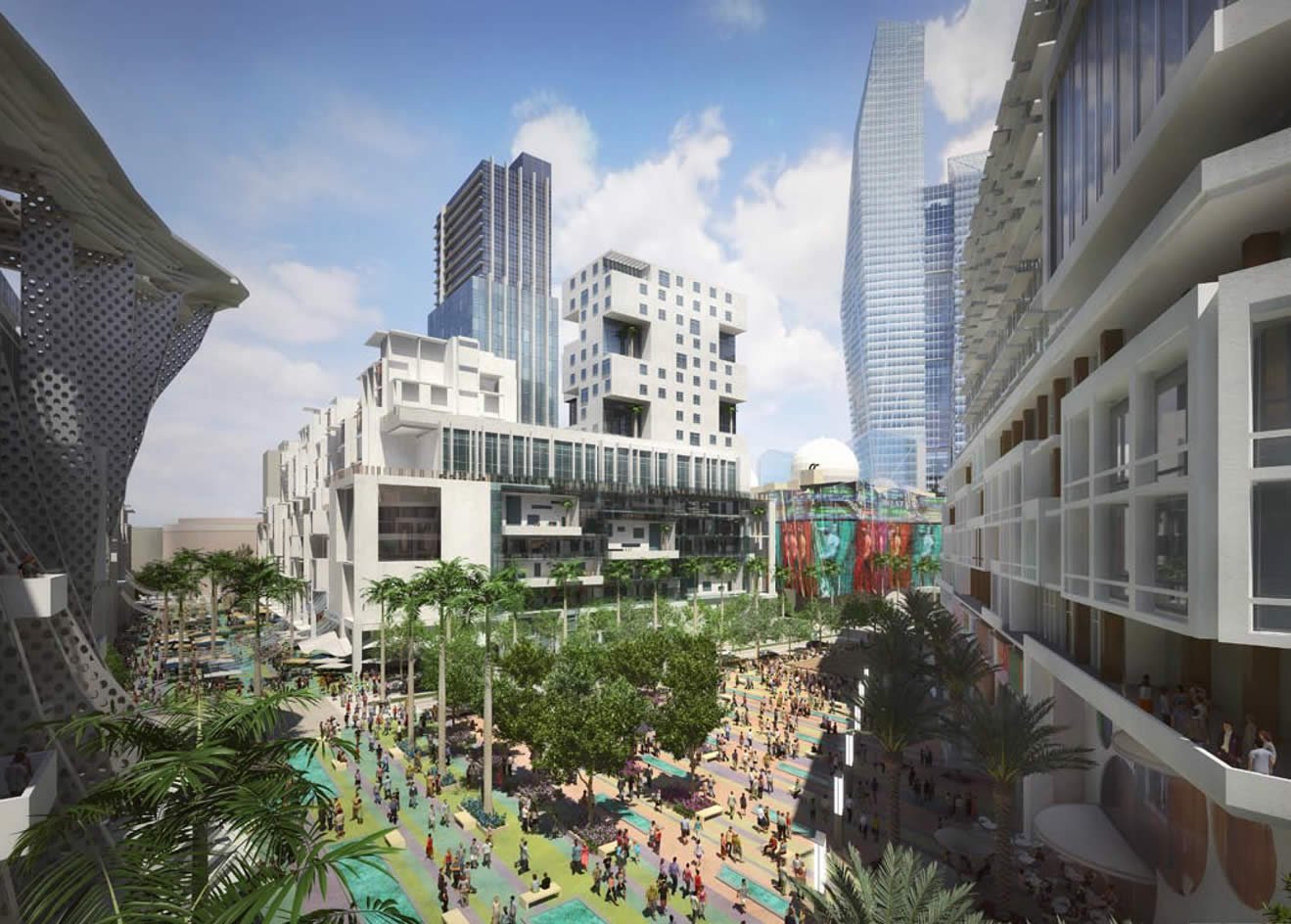
JEM Private Residences: Project Overview
67-Story Mixed-Use Tower Specifications
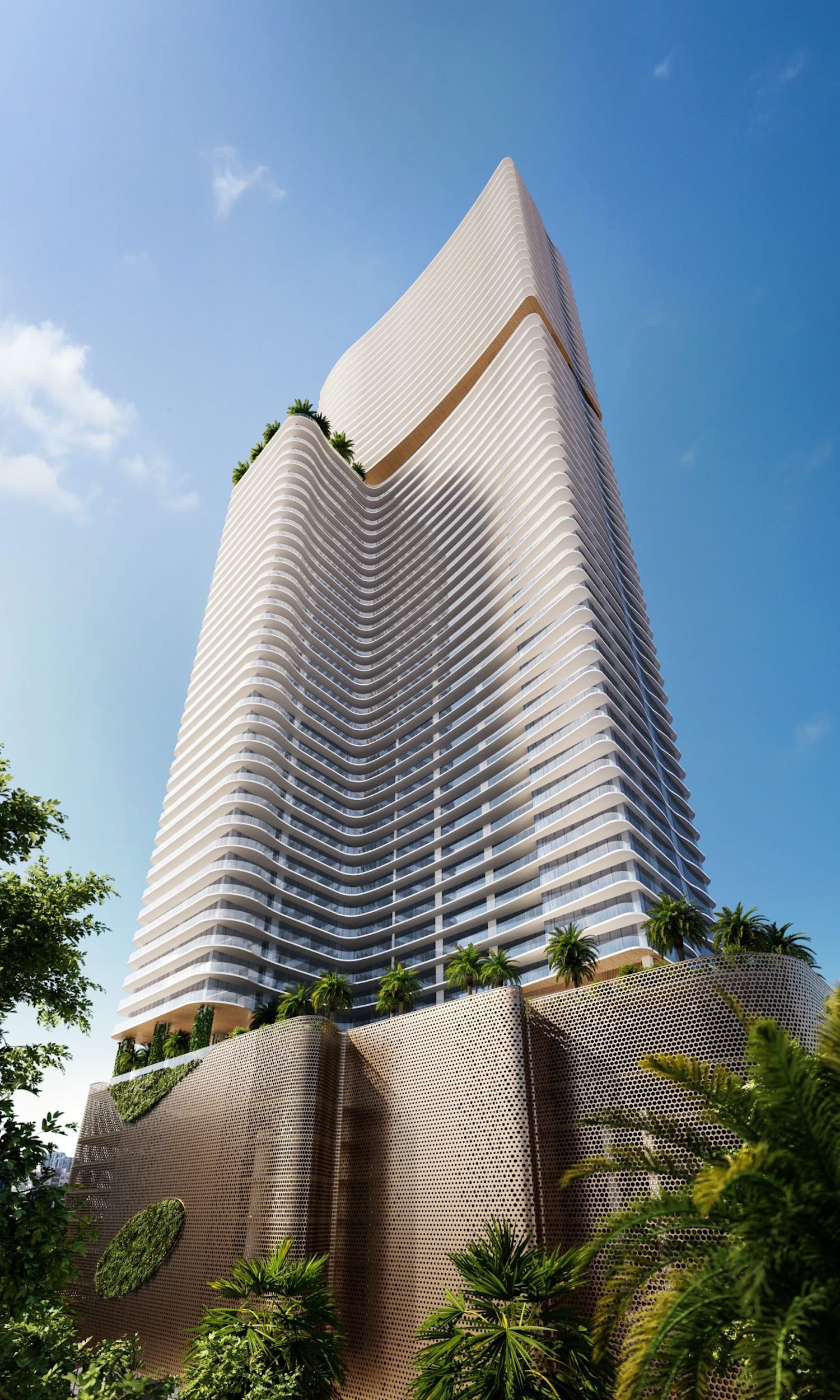
JEM Private Residences will rise 67 stories, making it one of downtown Miami’s tallest residential towers. The height allows dramatic views of Biscayne Bay, the Atlantic Ocean, and the Miami skyline while maximizing the number of residences with premium view corridors.
Architectural design (details to be finalized as construction progresses) typically features:
- Glass curtain wall construction maximizing natural light and views
- High ceilings (typically 9-11 feet in luxury Miami condos)
- Floor-to-ceiling windows
- Private terraces or balconies for most units
- Modern interior finishes and appliances
The tower’s positioning within Miami Worldcenter provides proximity to ground-floor retail, dining, and entertainment without leaving the complex—a significant convenience factor for urban living.
Condo vs Apartment Components
JEM Private Residences uniquely combines condominiums and apartments within a single tower:
- Condos: 259 condominium units starting on the 43rd floor occupy the tower’s upper levels. These for-sale residences target buyers seeking ownership, whether for primary residence, second home, or investment purposes.
- Apartments: 530 apartment units fill lower floors, creating a rental community within the building.
This mixed-tenure structure offers several implications:
- For condo buyers: The apartment component ensures building occupancy and amenity use even if condo sales slow. However, some buyers prefer condo-only buildings to avoid mixing renters and owners.
- Building management: Mixed-tenure buildings require sophisticated management coordinating between the condo association (governing condo owners) and rental management (operating apartments).
- Amenity access: Typically, both condo owners and apartment residents access shared amenities, though some buildings reserve certain spaces exclusively for owners.
- Resale considerations: When selling, condo owners compete not just with other condo resales but also with rental apartments offering similar units without purchase commitment.
Buyers should understand these dynamics when evaluating purchase decisions.
Sky Villa Pre-Sales and Pricing
The recent $8 million sky villa contract represents JEM Private Residences’ highest-tier product and provides important market signals.
Sky villas typically feature:
- Large square footage (3,000-10,000+ square feet)
- Private elevator access
- Wraparound terraces with 360-degree views
- Premium finishes and customization options
- Multiple bedrooms and entertainment spaces
An $8 million sale during pre-construction demonstrates:
- Price point confidence: Buyers willing to commit $8 million before construction validates pricing expectations for the building’s premium units.
- Ultra-luxury demand: Miami’s market can absorb high-priced inventory even in emerging neighborhoods like Miami Worldcenter.
- Investment conviction: $8 million buyers typically conduct extensive due diligence. Their commitment suggests confidence in the project, developer, and location.
For buyers considering lower-priced units in the building, the sky villa sale provides validation that sophisticated, well-capitalized buyers believe in the project enough to commit millions during the highest-risk phase (pre-construction).
Expected Completion Timeline
Construction completion is projected for Q4 2026, putting delivery approximately two years from the financing announcement. This timeline assumes:
- Immediate construction commencement following financing close
- No major delays from permitting, materials, labor, or unforeseen circumstances
- Normal South Florida construction conditions (accounting for hurricane season, weather)
Buyers should understand several timeline considerations:
- Delays are common: Real estate development frequently experiences delays from permitting issues, construction challenges, labor shortages, materials issues, weather, or market conditions. Build contingency into your timeline.
- Pre-sales continue: Units typically remain available for sale throughout construction, with prices often increasing as completion approaches and uncertainty decreases.
- Early buyers may benefit: Purchasing during initial pre-sales often provides best pricing, as developers typically raise prices as construction progresses and risk decreases.
- Occupancy timing: Even after construction “completion,” final inspections, certificate of occupancy, unit finishing touches, and move-in logistics can extend actual occupancy by several months.
Plan conservatively when timing job relocations, lease expirations, or other commitments around estimated completion dates.
C-PACE Financing and the Sustainability Trend
JEM Private Residences’ financing structure includes a notable component: $235 million in C-PACE financing, representing Florida’s largest C-PACE deal to date.
What C-PACE Financing Means
C-PACE stands for Commercial Property Assessed Clean Energy—a financing mechanism enabling building owners to fund energy efficiency, renewable energy, and water conservation improvements through long-term, low-cost loans repaid via property tax assessments.
Key C-PACE features:
- Energy efficiency focus: Funds must finance qualifying improvements like high-efficiency HVAC systems, advanced insulation, smart building technology, LED lighting, solar panels, or water conservation systems.
- Long repayment terms: C-PACE loans can extend 20-30 years, matching the useful life of installed improvements, with lower rates than conventional construction financing.
- Property tax repayment: Rather than traditional loan payments, C-PACE obligations attach to the property and are repaid through a special assessment on property tax bills.
- Transferable obligation: If the property sells, C-PACE obligations typically transfer to the new owner (though this varies by program and can complicate condo unit sales).
- Developer benefits: Lower financing costs reduce development expenses, potentially allowing better unit pricing, higher developer returns, or both.
Florida’s Largest C-PACE Deal Explained
The $235 million C-PACE component within JEM Private Residences’ total $465 million financing represents Florida’s largest C-PACE transaction, signaling several trends:
- Mainstream adoption: Large-scale developers increasingly view C-PACE as a competitive financing tool rather than a niche green building option.
- Sustainability integration: Modern luxury development incorporates energy efficiency from the design phase rather than as an afterthought, making C-PACE financing viable for major projects.
- Lender comfort: Institutional lenders have become comfortable with C-PACE structures, accepting them alongside traditional construction loans.
- Cost advantages: C-PACE’s favorable terms provide meaningful cost savings on large projects, potentially saving developers millions in financing expenses over construction periods.
- Replicability: Success of large-scale C-PACE deals like JEM encourages other developers to pursue similar structures for future projects.
For Miami’s development pipeline, normalized C-PACE financing supports sustainable building practices while reducing development costs—benefits that can ultimately flow to buyers through competitive pricing.
How Sustainable Development Affects Buyers
Buyers in buildings financed with C-PACE and designed for energy efficiency experience several tangible benefits:
- Lower utility costs: High-efficiency HVAC, advanced insulation, energy-efficient appliances, and LED lighting reduce monthly electricity bills—significant in Miami’s year-round cooling climate.
- Comfortable living environment: Superior insulation and HVAC systems maintain consistent temperatures, reduce noise transmission, and improve air quality.
- Environmental impact: Reduced energy consumption lowers carbon footprint—increasingly important to environmentally conscious buyers.
- Future-proofing: As energy codes tighten and efficiency expectations rise, buildings designed for sustainability maintain competitive positioning in resale markets.
- Potential HOA savings: Energy-efficient common areas (lobbies, hallways, amenities, exterior lighting) reduce HOA operating costs, potentially limiting fee increases.
- Marketability: Green-certified buildings appeal to growing segments of buyers prioritizing sustainability, potentially supporting faster resales and price premiums.
However, buyers should also understand:
- HOA fee allocation: Shared energy costs may affect HOA fee structures. Review the prospectus or offering plan to understand how energy costs and any C-PACE obligations are allocated.
Energy Efficiency and Long-Term Value
Real estate markets increasingly value energy efficiency as utility costs rise and environmental awareness grows. Buildings designed for efficiency from inception—rather than retrofitted later—typically achieve better performance and lower operating costs.
For long-term investment perspectives, energy-efficient buildings may:
- Command rental premiums due to lower tenant utility costs
- Experience higher occupancy rates as renters prioritize total housing costs
- Appreciate faster as sustainability becomes mainstream rather than niche
- Face lower capital expenditure needs for system replacements and upgrades
- Benefit from favorable financing terms if owners later refinance
While sustainability alone doesn’t guarantee real estate success, it represents a tailwind supporting long-term value in well-located, well-designed developments.
Pre-Construction Buying: Opportunities and Risks
Purchasing luxury condos before construction completion offers distinct advantages and risks compared to buying existing inventory.
Why Buyers Purchase Before Construction
Pre-construction buying attracts several buyer types:
- Price advantage seekers: Developers typically offer best pricing during initial sales phases to achieve lender-required pre-sales thresholds. Early buyers may save 10-20% compared to prices near completion.
- Customization opportunities: Early buyers sometimes negotiate unit combinations, layout modifications, or finish upgrades unavailable once construction progresses.
- New construction appeal: Some buyers simply prefer brand-new units with modern design, latest technology, warranty coverage, and no prior ownership history.
- Investment timing: Buyers expecting market appreciation aim to lock in today’s prices and benefit from appreciation during the 2-3 year construction period.
- Future relocation planning: Buyers planning relocations timed to construction completion can secure housing while maintaining flexibility in current locations.
- Portfolio diversification: Real estate investors diversify across existing rentals and pre-construction developments, balancing immediate income with future appreciation potential.
Financial Benefits of Pre-Construction
Beyond pricing advantages, pre-construction purchases offer unique financial structures:
- Phased payment schedules: Rather than paying full purchase price at closing, pre-construction contracts typically structure payments across construction phases: 10% deposit at contract signing, 10% at groundbreaking, 10% at topping off (structural completion), and 70% at final closing. This allows buyers to control $1 million+ properties with initial $100,000-$200,000 deposits rather than full purchase price immediately.
- Appreciation during construction: If the market appreciates 3-5% annually during a 2-3 year construction period, buyers benefit from 6-15% appreciation before taking ownership—though this cuts both ways if markets decline.
- Assignment/resale rights: Some contracts allow buyers to sell/assign contracts before closing, enabling profit-taking if units appreciate during construction (though developers may restrict this or require fees).
- Interest carry savings: While deposits sit in escrow earning minimal returns, buyers avoid mortgage interest they’d pay on existing inventory purchases—potentially saving $30,000-$50,000 annually on a $1 million purchase.
- Lock in financing rates: Though most buyers wait until closing to finalize financing, locking in purchase prices during low-rate environments (when available) can benefit if rates rise during construction.
Risks Every Pre-Construction Buyer Must Understand
Pre-construction purchases carry meaningful risks requiring careful evaluation:
- Construction delays: Projects frequently deliver 6-12+ months late due to permitting delays, construction challenges, labor shortages, materials issues, weather, or market conditions. Your timeline must accommodate delays.
- Developer default risk: If the developer encounters financial distress or project economics change dramatically, projects can stall, be restructured, or even be abandoned. While lender involvement reduces this risk, it’s not eliminated.
- Market decline risk: If real estate markets decline during construction, your contracted purchase price may exceed market value at completion. You could close at a loss or walk away forfeiting deposits.
- Actual vs promised delivery: Rendered images and model units may not perfectly match delivered product. Finishes, layouts, amenities, or features might differ from marketing materials.
- Neighborhood development risk: Surrounding area changes during construction might affect desirability—positively or negatively. Additional development, business closures, or infrastructure changes impact value.
- Deposit loss risk: If you can’t or won’t close for any reason (financing denial, personal circumstances, market conditions), you typically forfeit deposits—potentially $100,000-$300,000+ on luxury units.
- Litigation risk: Condo developments sometimes face construction defect litigation, HOA disputes, or other legal issues affecting values and owner assessments.
- Rental restriction implementation: HOA rules regarding rentals may be established before closing, potentially differing from initial marketing. Investors counting on rental income should verify rules before closing.
Sophisticated pre-construction buyers understand these risks and structure purchases accounting for various scenarios.
Contract Terms and Deposit Structures
Pre-construction contracts contain provisions rarely seen in resale purchases:
- Deposit schedule: Clearly defines payment amounts and timing tied to construction milestones.
- Completion timeline: Specifies estimated completion date but typically includes language allowing extensions under certain circumstances.
- Force majeure: Clauses excusing developer performance due to events beyond their control (natural disasters, pandemics, labor strikes, material shortages).
- Specifications and substitutions: Describes finishes and features but often allows developer to substitute “equal or better” materials if originals become unavailable.
- Assignment provisions: Defines whether and under what conditions buyers can sell contracts before closing.
- Buyer default terms: Specifies consequences if buyers fail to close—typically deposit forfeiture and potential additional liability for lost profits.
- Developer termination rights: Some contracts allow developers to terminate and return deposits under certain circumstances, though this is rare.
- Escrow arrangements: Details how deposits are held and whether developers can access them during construction or only at closing.
Review pre-construction contracts with attorneys experienced in real estate development before signing. Unlike resale contracts where terms are relatively standardized, pre-construction agreements vary significantly and favor developers.
How to Evaluate Pre-Construction Luxury Developments
Not all pre-construction opportunities offer equal value or risk profiles. Systematic evaluation helps identify promising developments and avoid troubled projects.
Developer Track Record and Financial Strength
Developer quality represents the single most important evaluation factor:
- Completed projects: Research the developer’s previous developments. Did they deliver on time, on budget, as promised? Visit completed buildings to assess quality.
- Financial stability: Privately held developers don’t publish financials, but you can research: Recent project financing announcements (like Naftali’s $465M), Industry reputation and media coverage, Partnerships with established institutions, and Litigation history.
- Local vs national developer: Developers with local market expertise often better navigate permitting, contractor relationships, and market dynamics than national firms entering new markets.
- Project scale alignment: Be cautious of developers undertaking projects far larger than their previous experience. A developer with a track record of $50 million projects taking on a $500 million development faces higher execution risk.
- Design and construction team: Research the architect, general contractor, and other key team members. Experienced teams with successful local projects reduce risk.
For JEM Private Residences, Naftali Group’s presence in Miami’s luxury market and ability to secure $465 million in financing from institutional lenders signals strong developer credentials, though buyers should still conduct independent research.
Location and Neighborhood Trajectory Analysis
Real estate success fundamentally depends on location. Evaluate:
- Current neighborhood status: Is the area established luxury or emerging? Emerging areas offer upside but carry more risk than proven locations.
- Development pipeline: What else is being built nearby? Complementary development (retail, parks, transit) adds value, while excessive competing residential supply creates oversupply risk.
- Transportation access: Can residents easily reach employment centers, airports, beaches, and other destinations? Miami Worldcenter’s downtown location provides excellent connectivity.
- Walkability and amenities: Does the neighborhood support walking to dining, shopping, entertainment, services? Urban developments promise walkability—verify the reality.
- Price positioning: Does the new development’s pricing align with or exceed existing inventory? Aggressive pricing relative to existing buildings creates resale challenges.
- Future infrastructure: Are major infrastructure improvements planned (transit, roads, parks) that will enhance the location? Research city and county capital improvement plans.
Miami Worldcenter benefits from downtown Miami’s established employment base, cultural amenities, and transit access while participating in an active redevelopment area with multiple projects creating critical mass.
Amenities and Building Specifications
Luxury condo buyers expect resort-style amenities justifying premium pricing and HOA fees:
Standard luxury amenities:
- Pool deck with cabanas and lounging areas
- State-of-the-art fitness center
- Spa facilities (steam, sauna, treatment rooms)
- Social rooms and event spaces
- Co-working spaces and conference rooms
- Concierge and valet services
- Package receiving and storage
- Pet facilities (grooming, relief areas)
High-end specifications:
- Smart building technology
- High-speed internet infrastructure
- Generator backup power
- Impact-resistant windows and doors
- Premium appliances (Sub-Zero, Wolf, Miele)
- Custom closets and storage
- High ceilings and oversized windows
Compare amenity packages and specifications across competing buildings. Excessive amenities drive up HOA fees without necessarily increasing value, while insufficient amenities create competitive disadvantages.
Review architectural plans, amenity renderings, and unit specifications carefully. Marketing renderings often depict idealized versions—verify what’s actually included in your purchase price versus what’s optional or unavailable.
Pricing Compared to Existing Inventory
Pre-construction units should offer value relative to existing alternatives:
- Per-square-foot analysis: Compare the development’s pricing per square foot to similar existing buildings. Pre-construction should typically price 10-20% below existing inventory of similar quality to compensate for risk and wait time.
- Amenity comparison: If the new development offers superior amenities, some price premium is justified. Inferior amenities should result in discounted pricing.
- Age premium: Brand-new construction commands premiums over 5-10 year old buildings, but how much? Excessive premiums suggest overpricing.
- View premium: Units with superior views (bay, ocean, skyline) justify premiums, but verify the views aren’t obstructed by future development.
- Floor premium: Higher floors command premiums, but verify the pricing tiers are reasonable and consistent with market norms.
- Parking inclusions: Some buildings include parking, others charge separately. Factor parking value ($50,000-$100,000+ in Miami) into total cost comparisons.
If pre-construction pricing matches or exceeds existing comparable inventory, the value proposition weakens significantly. Early buyers should receive risk compensation through pricing discounts.
Delivery Timeline and Market Timing
Construction timelines introduce market timing risk:
- Optimistic scenario: If you purchase during a market trough and the market appreciates during construction, you benefit from appreciation before taking ownership.
- Pessimistic scenario: If you purchase near a market peak and prices decline during construction, you take ownership into negative equity.
- Neutral scenario: Markets remain stable, and you receive a new unit at fair market value without gain or loss during construction.
Consider:
- Current market cycle: Are prices near historical highs, suggesting potential correction, or recovering from lows, suggesting runway for appreciation?
- Economic trends: Is employment growing, population increasing, and income rising—supporting real estate demand?
- Interest rate environment: Are rates likely to rise (suppressing demand) or fall (stimulating demand) during construction?
- Supply pipeline: How many competing units will deliver around the same time? Simultaneous delivery of thousands of units can overwhelm absorption.
- Personal timeline flexibility: Can you accommodate 6-12 month delays without financial distress or life disruption?
No one can predict markets perfectly, but understanding where we are in the cycle and having flexibility to adapt to changing conditions reduces risk.
Miami Worldcenter’s Impact on Downtown Living
Beyond individual buildings, Miami Worldcenter represents a broader downtown Miami transformation affecting how people live, work, and experience the urban core.
Retail, Dining, and Entertainment Integration
Miami Worldcenter’s master plan emphasizes ground-floor activation with retail, dining, and entertainment creating vibrant streetscapes:
- Retail corridor: The development includes significant retail square footage attracting national brands, local boutiques, and service providers.
- Restaurant cluster: Multiple restaurants and cafes provide dining options without leaving the development—crucial for urban lifestyle appeal.
- Entertainment venues: Plans include entertainment components creating nighttime activity and weekend draw beyond residential and office uses.
- Grocery and services: Daily needs—groceries, pharmacies, dry cleaners, personal services—accessible within walking distance enhance convenience.
- Public spaces: Plazas, seating areas, and landscaped spaces provide gathering spots and visual interest beyond building facades.
Successful urban developments require critical mass—enough residents, workers, and visitors to support diverse retail and dining. Miami Worldcenter’s scale allows this critical mass unlike smaller single-building projects.
For residents, ground-floor activation means:
- Reducing car dependency for daily errands
- Increasing property values through neighborhood amenities
- Creating safer, more vibrant streets with consistent pedestrian activity
- Enabling walkable lifestyle that attracted buyers initially
Walkability and Urban Lifestyle Appeal
Urban luxury living attracts buyers seeking lifestyles distinct from suburban single-family home living:
- No car required: Downtown Miami residents can walk to work, dining, entertainment, and services, using Metromover (free downtown) for longer trips. Many downtown residents own cars but use them infrequently.
- Amenity-rich building living: Luxury towers offer resort-style amenities replacing suburban yards and pools—without maintenance responsibilities.
- Social connections: Dense urban environments facilitate spontaneous social interactions, building friendships through shared amenities, neighborhood establishments, and community events.
- Cultural access: Walking to museums, performing arts centers, waterfront parks, and sporting events without driving or parking hassles.
- Professional networking: Living near employment centers facilitates career networking and reduces commute stress.
- Lock-and-leave convenience: Urban condo living appeals to frequent travelers, seasonal residents, and busy professionals who value low-maintenance housing.
Miami Worldcenter’s location positions residents within this downtown lifestyle network while providing the specific amenities, retail, and services that make car-free or car-light living practical.
Transportation Access and Connectivity
Downtown Miami offers superior transportation connectivity compared to most Miami neighborhoods:
- Metromover: Free automated people mover circulates throughout downtown, Brickell, and Park West with stations near Miami Worldcenter. Connects to Metrorail at Government Center.
- Metrorail: Heavy rail connects downtown to Miami International Airport, Dadeland, Coconut Grove, and northwest Miami-Dade. Government Center station is walkable from Miami Worldcenter.
- Brightline: High-speed intercity rail connects downtown Miami’s Brightline station to Fort Lauderdale, West Palm Beach, and Orlando—with only a short walk from Miami Worldcenter.
- Bus service: Multiple bus routes serve downtown, providing connections throughout Miami-Dade County.
- Major highways: I-95, I-395, and the MacArthur Causeway to Miami Beach are easily accessible from downtown.
- Ride-sharing and taxis: Dense downtown environment provides quick pickup/dropoff for Uber, Lyft, and taxis.
- Future transit: Proposed expansions of Metrorail and potential additional transit investment could further enhance connectivity.
For residents who work downtown or travel frequently (via Brightline or Miami International Airport accessible via Metrorail), transportation connectivity represents a significant lifestyle and time-savings advantage.
Comparison to Brickell and Other Urban Neighborhoods
Buyers evaluating Miami Worldcenter often compare it to Brickell, Miami’s most established high-rise urban neighborhood located immediately south of downtown:
Brickell advantages:
- More established with mature retail, dining, and nightlife
- Higher concentration of luxury condo inventory providing resale comparables
- Stronger walkability with denser development
- Brickell City Centre provides major retail and dining anchor
- Closer to Coconut Grove and Coral Gables
- Generally better building quality and amenities in newer towers
Miami Worldcenter/downtown advantages:
- More affordable per-square-foot pricing than equivalent Brickell buildings
- Direct access to cultural institutions (PAMM, Arsht Center, FTX Arena)
- Better transit connectivity (Metromover, Metrorail, Brightline)
- Bayside and waterfront park access
- More diverse neighborhood with offices, retail, and residential mix
- Greater appreciation potential as emerging area matures
Similar characteristics:
- Urban high-rise lifestyle
- Car-light or car-free living possible
- Resort-style amenity buildings
- International buyer appeal
- Rental demand from young professionals
The choice between Miami Worldcenter and Brickell often comes down to:
- Budget: Miami Worldcenter typically offers better value per square foot
- Lifestyle priorities: Cultural amenities vs. dining/nightlife focus
- Investment thesis: Emerging appreciation potential vs. established stability
- Personal preferences: Building options, specific locations, view priorities
Both neighborhoods successfully deliver urban luxury living—with different flavors appealing to different buyers.
Investment Considerations for Pre-Construction Condos
Appreciation Potential During Construction
One of pre-construction investing’s primary appeals is capturing appreciation during the construction period:
- Appreciation scenario: Purchase a $1 million unit with $200,000 in deposits over two years. If the market appreciates 4% annually, the unit could be worth approximately $1.08 million at completion—an $80,000 gain on $200,000 invested (40% return).
- Leverage amplification: This appreciation occurs on the full property value while you’ve only deployed deposit funds, amplifying returns.
- Price escalation: Developers typically raise prices as construction progresses and uncertainty decreases. Early buyers benefit from lower initial pricing relative to later purchasers.
However, appreciation isn’t guaranteed:
- Market decline risk: If markets decline 10% during construction, your $1 million purchase is worth $900,000 at completion—a $100,000 loss.
- Oversupply risk: Multiple competing projects delivering simultaneously can depress prices as supply overwhelms demand.
- Economic downturn: Recessions, employment declines, or financial crises can crater real estate markets during construction periods.
- Deposit loss risk: If fundamentals deteriorate severely, walking away and forfeiting deposits might be better than closing on underwater properties—but you lose $100,000-$300,000+ in deposits.
Appreciation-focused investors should:
- Have strong market timing conviction based on research
- Maintain financial capacity to close even if markets decline
- Diversify across multiple projects and locations to spread risk
- Plan holding periods allowing recovery if markets soften temporarily
Rental Income Projections and Cap Rates
Investors planning to rent pre-construction units should model realistic income expectations:
- Rental rate research: Study comparable unit rents in similar buildings. Don’t rely on developer pro forma projections—verify with actual market data.
- Occupancy assumptions: Assume 90-95% occupancy accounting for turnover, maintenance periods, and potential vacancy during slower seasons.
- Operating expenses: Budget for property taxes, HOA fees, insurance, repairs/maintenance, property management (8-10% of rent), and occasional capital expenditures.
- Cap rate calculation: Net operating income ÷ purchase price = cap rate. Miami luxury condos typically generate 3-5% cap rates—lower than many investment property types but offset by appreciation potential.
- Cash flow reality: Most luxury condo investments are cash flow neutral or slightly negative, relying on appreciation for returns. Don’t expect significant monthly income.
- Competition timing: When new buildings deliver, multiple investor-owned units hit the rental market simultaneously, creating competition and potentially suppressing rents during lease-up periods.
- Rental restrictions: Verify the HOA allows rentals and understand any restrictions (minimum lease terms, quantity limits, approval requirements).
- Furniture decisions: Furnished rentals command premiums but require furniture investment ($30,000-$100,000+ for luxury units) and increase turnover/wear.
Realistic rental income modeling prevents disappointments and helps determine whether investment fundamentals support purchase decisions.
Exit Strategies and Resale Timing
Successful investors plan exits before entering:
- Hold period: How long do you intend to hold? Longer holds (7-10+ years) allow riding through market cycles and capturing long-term appreciation. Shorter holds (2-4 years) expose you to market timing risk.
- Assignment strategy: Some investors plan to sell/assign contracts before completion if prices appreciate during construction, avoiding closing costs and immediately capturing gains. However, developers may restrict assignments or charge significant fees.
- Post-completion flip: Close on the unit and immediately list for resale, targeting appreciation captured during construction. This works if markets cooperate but exposes you to closing costs reducing profit margins.
- Rental hold: Close, rent the unit, and hold long-term for appreciation and income. This requires tolerance for cash flow neutrality and landlord responsibilities.
- Market timing flexibility: Best outcomes come from flexibility to exit when markets favor sellers rather than forced selling during downturns.
Consider transaction costs when planning exits: Broker commissions (5-6% of sale price), Closing costs (2-3% at purchase, 1-2% at sale), Title insurance, legal fees, Transfer taxes and recording fees, and Capital gains taxes (if held <2 years or not primary residence). These costs can consume 10-15% of purchase price, requiring significant appreciation just to break even on quick flips.
Tax Implications and Depreciation Benefits
Real estate investment taxation differs significantly from stock or bond investing:
- Depreciation deductions: Rental properties allow depreciation deductions (typically over 27.5 years for residential), reducing taxable income even when properties appreciate. This “phantom loss” offsets rental income and can create paper losses reducing tax on other income (subject to passive activity loss rules).
- Mortgage interest deductions: If financing rental properties, mortgage interest is deductible against rental income.
- Operating expense deductions: Property taxes, HOA fees, insurance, repairs, maintenance, property management fees, and other operating costs are deductible.
- Capital gains treatment: If held >1 year, sale profits receive long-term capital gains treatment (0%, 15%, or 20% federal rates depending on income) plus 3.8% net investment income tax for high earners—more favorable than ordinary income rates.
- 1031 exchange opportunities: Real estate investors can defer capital gains taxes by conducting 1031 exchanges into replacement properties, allowing wealth compounding without tax friction.
- State tax considerations: Florida’s lack of state income tax benefits real estate investors, as rental income and capital gains aren’t subject to state taxation.
However, complications arise: Depreciation recapture, Passive activity loss limitations, and Net investment income tax. Consult tax professionals specializing in real estate before purchasing to optimize structures and understand implications.
Common Mistakes Pre-Construction Buyers Make
Learning from others’ errors helps avoid costly mistakes when purchasing pre-construction luxury condos.
Failing to Verify Developer Financial Stability
Marketing materials and sales presentations portray developers optimistically. Independently verify: Previous project delivery, Financial backing, Litigation history, and Market reputation. For major purchases, some buyers hire private investigators or forensic accountants to research developer backgrounds and financial stability. While this seems extreme, it’s prudent when committing hundreds of thousands of dollars.
Ignoring Construction Delay Risks
Most pre-construction projects deliver late—sometimes significantly late. Plan accordingly: Avoid hard commitments, Build buffer time, Maintain flexibility, Read contract language, and Track progress. Delays create inconvenience but rarely justify walking away and forfeiting deposits. Planning for delays prevents them from becoming crises.
Underestimating Total Costs Beyond Purchase Price
Purchase price represents only part of total ownership costs: Closing costs, Furniture and window treatments, Initial supplies and setup, Utility deposits and connections, Moving costs, Post-closing issues, Ongoing costs, and Special assessments. Budget 15-20% above purchase price for total first-year ownership costs to avoid cash flow surprises.
Not Reading Contract Fine Print
Pre-construction contracts contain provisions drastically different from resale agreements: Developer termination rights, Specification substitution rights, Completion date extensions, Dispute resolution, Assignment restrictions, Buyer default consequences, and Amendments and changes. Have real estate attorneys experienced in pre-construction contracts review documents before signing. The $2,000-$5,000 legal fee is negligible compared to the risks of signing problematic contracts.
Overestimating Rental Demand
Investors often overestimate rental income potential: Pro forma projections, Lease-up competition, Management costs, Vacancy and turnover, Maintenance surprises, and Rental restrictions. Model rental scenarios conservatively, assuming lower rents, higher vacancy, and greater expenses than best-case projections suggest.
Questions Every Pre-Construction Buyer Should Ask
Asking the right questions before purchasing helps identify quality developments and avoid problematic projects.
Developer and Project Questions
- Developer: How many projects has the developer completed in South Florida? Can I tour previous completed buildings? What is the developer’s financial structure for this project? Who are the equity partners and lenders? Has the developer been involved in litigation related to previous projects?
- Project: What percentage of units are under contract currently? When did sales launch? What is the actual construction start date (not just announced date)? Is the project fully permitted and financed? Can I review the construction loan documents?
Financial and Contract Questions
- Deposits and payments: What is the total deposit schedule and timing? Where are deposits held and are they interest-bearing? Under what conditions can the developer access deposits before closing? What happens to deposits if the project is delayed or cancelled?
- Contract terms: Can I assign or sell my contract before closing? What fees apply if I assign the contract? What are my remedies if completion is delayed beyond certain timeframes? What constitutes buyer default and what are the consequences? Can the developer terminate my contract after signing?
- Costs: What is the exact purchase price and what does it include? What closing costs should I budget beyond the purchase price? What are projected HOA fees and what do they include? Are there any special assessments expected or possible? What property tax rate should I expect?
Building and Amenity Questions
- Specifications: What specific finishes, fixtures, and appliances are included? What customization or upgrade options are available? What warranties cover the unit and building systems? Will the building seek LEED or other certifications?
- Amenities: What amenities are included and where are they located? Are any amenities subject to additional fees beyond HOA dues? Will condo owners and apartment residents share amenities? What hours are amenities accessible?
- Building operations: Who will manage the building and what is their track record? What services are included (concierge, valet, security)? Are there rental restrictions in the HOA documents? What percentage of units can be rented under HOA rules?
Timeline and Completion Questions
- Construction: What is the estimated completion date? What is the realistic completion date accounting for typical delays? Has the developer broken ground or is this still in planning? What general contractor is building the project?
- Closing: How much advance notice will I receive before closing? What happens if I’m not ready to close when the unit is complete? What walk-through and inspection processes occur before closing? What happens if I discover issues during walk-through?
Developers and sales teams should answer these questions transparently. Evasive or unclear answers suggest problems warranting deeper investigation or reconsideration of the purchase.
Work With a Pre-Construction Development Specialist
Pre-construction luxury condo purchases require specialized expertise beyond typical residential real estate transactions. The complexity of evaluating developers, understanding construction financing, interpreting contracts, and timing market cycles demands professional guidance.
As a Miami real estate professional with on-the-ground experience tracking Miami Worldcenter development, pre-construction luxury condo launches, and downtown Miami’s evolution, I help buyers navigate the opportunities and risks of purchasing before construction completion.
Whether you’re considering jem private residences miami, evaluating competing developments, or trying to decide between pre-construction and existing inventory, I provide the market intelligence and transaction expertise that protects your interests.
My services for pre-construction buyers include:
- Developer due diligence: Independent research on developer track records, financial stability, and previous project delivery
- Comparative market analysis: Side-by-side comparison of pre-construction opportunities against existing inventory to verify value
- Contract review coordination: Working with real estate attorneys to ensure you understand all contract terms and obligations
- Timeline and risk assessment: Realistic evaluation of completion timelines, delay risks, and market timing considerations
- Amenity and specification analysis: Detailed review of what’s included, optional, or unavailable relative to marketing promises
- Resale and investment projections: Modeling appreciation potential, rental income, and exit strategies based on market data
- Negotiation strategy: Guidance on pricing negotiation, upgrade selection, and contract terms
- Construction monitoring: Periodic site visits and progress updates keeping you informed throughout the construction period
Miami’s development pipeline offers exciting opportunities for buyers seeking new construction, value pricing, and participation in emerging neighborhoods. But not all pre-construction opportunities offer equal risk-adjusted returns.
Ready to evaluate pre-construction luxury condos in Miami?
- Download our exclusive guide: “The Pre-Construction Buyer’s Handbook: Everything You Need to Know”
- Schedule a development tour: Visit Miami Worldcenter and competing developments with expert guidance
- Receive pre-construction alerts: Join our exclusive list for early access to new development launches
- Access market research: Review our comparative analysis of active pre-construction opportunities
- Explore Miami neighborhoods: Visit our comprehensive guides to Downtown Miami, Brickell, Edgewater, and more
Don’t navigate pre-construction purchases without professional guidance. The complexity and risks require specialized expertise that protects your investment and ensures you’re making informed decisions.
Ready to Invest in Miami Pre-Construction?
The Miami Worldcenter development is a major signal of market confidence. Contact us today to discuss your pre-construction buying goals and get expert guidance on maximizing your investment.