
FAMILY COMPOUND STRATEGY: WHY ULTRA-WEALTHY BUYERS CREATE PRIVATE ESTATES THROUGH ADJACENT PROPERTY ACQUISITION
Understanding the Family Compound Strategy
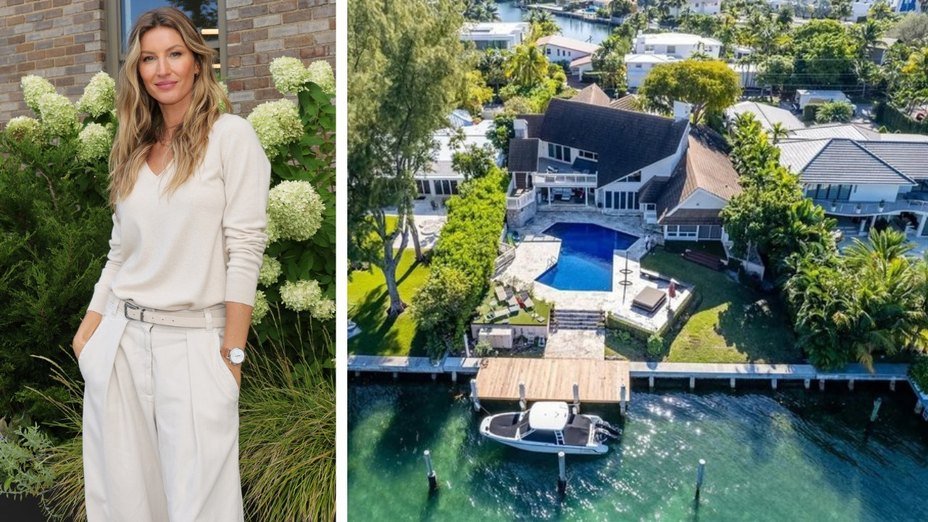
When supermodel Gisele Bündchen purchased a $14.5 million property adjacent to her existing Surfside home, she employed a sophisticated real estate strategy increasingly popular among ultra-wealthy families: building a private family compound through strategic property assembly.
What Defines a Family Compound
A family compound transcends a single luxury home, representing an integrated multi-property estate designed to accommodate extended family, provide privacy and security at scale, and create a legacy asset for generations.
Core characteristics:
- Multiple structures on adjacent or nearby properties
- Shared family ownership or control
- Integrated design and functionality across properties
- Central family use despite separate living spaces
- Often includes multiple generations living in proximity
- Enhanced privacy through land control and buffer zones
- Shared amenities (pools, gyms, docks, entertainment spaces)
- Staff infrastructure supporting multiple households
Scale variations: Compounds range from:
- Two adjacent properties for parents and adult children
- Three to five properties creating mini-estates
- Entire streets or cul-de-sacs under family control
- Expansive ranch or island properties with multiple structures
The gisele bundchen surfside home expansion to include the adjacent $14.5 million property exemplifies the multi-property compound approach increasingly common in ultra-luxury markets.
Historical Precedent in American Real Estate
Family compounds have deep roots in American wealth:
Kennedy Compound (Hyannis Port, Massachusetts): Perhaps America’s most famous family compound, the Kennedy estate comprises three adjacent waterfront properties housing multiple Kennedy family branches, creating a private family enclave that has hosted generations.
Rockefeller Estate (Pocantico Hills, New York): The Rockefeller family’s 3,400-acre estate included dozens of structures housing family members, staff, and amenities—the quintessential American family compound establishing the model.
Du Pont Family (Wilmington, Delaware): Multiple Du Pont family branches maintained estates in close proximity throughout the Brandywine Valley, creating an extended family compound spanning miles rather than acres.
Modern evolution: Today’s ultra-wealthy continue this tradition but adapt it to urban and suburban luxury markets like Miami, where assembling adjacent properties in established neighborhoods replaces rural estate development.
Modern Ultra-Wealthy Compound Trends
Contemporary compound development reflects changing family structures and priorities:
Multi-generational living resurgence: After decades of nuclear family dispersion, ultra-wealthy families increasingly value proximity to grandchildren, aging parents, and extended family—driving compound development.
Security and privacy: Public visibility, social media, and security concerns make controlled private compounds more appealing than dispersed luxury homes.
Work-from-anywhere flexibility: Remote work and digital connectivity allow families to maintain primary residences anywhere rather than clustering near employment centers—increasing compound viability in lifestyle destinations like Surfside.
Tax optimization: Strategic property ownership structures and residency establishment within family compounds provide tax planning opportunities, particularly in zero-income-tax states like Florida.
Lifestyle infrastructure: Modern compounds include sophisticated amenities—home theaters, gyms, spas, offices, guest houses—that single properties struggle to accommodate without excessive scale.
Why High-Net-Worth Families Build Compounds
Understanding motivations helps evaluate whether compound development aligns with family goals and justifies the complexity and cost.
Multi-Generational Living Benefits
Family compounds facilitate multi-generational proximity while maintaining independence:
Grandparent-grandchild connection: Grandparents living adjacent to adult children and grandchildren enjoy daily interaction without living together—balancing independence with family connection.
Eldercare flexibility: As parents age, proximity allows adult children to provide support, monitoring, and care while parents maintain separate households and dignity.
Child-rearing support: Grandparents in adjacent properties provide childcare, mentorship, and support to working parents without the complexity of shared households.
Family bonds: Daily interaction strengthens family relationships, creates traditions, and ensures younger generations maintain connections to extended family.
Cultural transmission: Proximity facilitates passing family values, traditions, stories, and cultural heritage across generations more effectively than distant relatives visiting occasionally.
For families like the Bündchens with young children and extended family considerations, compounds provide structure supporting multi-generational family life.
Privacy and Security at Scale
Compounds offer privacy and security advantages single properties cannot match:
Buffer zones: Controlling adjacent properties creates physical barriers between family and public, with neighbors replaced by family-owned land or structures.
Perimeter security: Single security perimeter protects multiple structures rather than each property requiring separate systems—more effective and efficient.
Reduced public exposure: Family activities occur within private compound rather than at public venues—reducing paparazzi exposure, unwanted attention, and security risks.
Controlled access: Single entry point with security screening protects entire compound, with internal circulation within secured perimeter.
Staff coordination: Security, household management, and service staff coordinate across compound properties, ensuring consistent protocols and communication.
For celebrities like Bündchen, privacy and security represent primary compound benefits justifying substantial investment.
Estate Planning and Wealth Transfer
Compounds facilitate sophisticated estate planning and generational wealth transfer:
Family partnerships: Compound ownership through family limited partnerships or LLCs provides estate planning benefits including valuation discounts, creditor protection, and controlled distribution.
Trust structures: Holding compounds in trusts allows grantors to transfer wealth to beneficiaries while maintaining use and control during lifetime, reducing estate tax exposure.
Retained interest strategies: Qualified Personal Residence Trusts (QPRTs) and other advanced strategies use compound structures for tax-efficient wealth transfer while maintaining family use.
Legacy assets: Compounds become family anchors—tangible assets connecting generations through shared property and memories rather than abstract financial inheritances.
Estate tax considerations particularly matter in states with estate taxes, though Florida’s lack of estate tax reduces this motivation compared to states like New York or Massachusetts.
Guest Accommodation Without Hotel Dependence
Compounds solve the guest accommodation challenge:
Family visits: Extended family visiting for holidays, celebrations, or extended stays occupy guest houses rather than hotels—more comfortable and private.
Friend accommodation: Close friends visiting stay in compound guest houses, facilitating social connection without houseguest intrusiveness.
Staff and assistance: Nannies, personal assistants, security staff, or household help live on-site in dedicated structures, available when needed without residing in primary family home.
Professional use: Compounds can include offices, studios, or work spaces separate from residential areas—facilitating work-from-home without disrupting family spaces.
Event hosting: Large family gatherings, celebrations, or events accommodate multiple families overnight without hotel coordination.
For international families like Bündchen’s maintaining connections to Brazil and various locations, guest infrastructure facilitates frequent visits from extended family and friends.
Staff Housing and Service Infrastructure
Ultra-luxury living requires substantial staff—compounds accommodate this efficiently:
Live-in staff: Household managers, chefs, nannies, security, maintenance personnel, and personal assistants live on property in dedicated structures, providing service without invasive presence.
Service infrastructure: Separate buildings can house laundry facilities, storage, maintenance workshops, security offices, and service operations supporting multiple households efficiently.
Privacy balance: Staff housing on compound but separate from main residences balances accessibility with privacy—staff available when needed without residing in family’s personal space.
Recruitment advantage: Offering quality staff housing attracts and retains superior personnel who might otherwise seek positions with better living arrangements.
Gisele Bündchen’s Surfside Compound Development
Examining Bündchen’s specific property assembly illustrates compound development strategy in practice.
The $14.5 Million Adjacent Property Purchase
Bündchen’s recent $14.5 million acquisition represents strategic property assembly:
Property specifications:
- Six bedrooms, six bathrooms
- Surfside waterfront location
- Private boat dock on Biscayne Bay
- Adjacent to Bündchen’s existing Surfside home
- Facilitates compound development integrating both properties
Strategic timing: The purchase timing aligns with Bündchen’s relationship with boyfriend Joaquim Valente and their newborn son—suggesting compound development for multi-generational family living accommodating current family plus future expansion.
Assembly premium: Adjacent property acquisitions often command premiums above market value—current owners recognize buyer’s motivation and negotiate accordingly. The $14.5 million price likely reflects both property value and assembly premium.
Compound vision: Rather than buying a single larger property, assembling adjacent properties provides:
- Total property larger than single available parcels
- Design flexibility across multiple structures
- Existing improvements on both properties reducing development timeline
- Potential for phased renovation rather than single massive project
Existing Surfside Real Estate Portfolio
The new purchase expands Bündchen’s existing Surfside holdings:
Previous Surfside property: Bündchen already owned the adjacent property, establishing Surfside as her primary Miami base before the expansion.
Waterfront access: Both properties provide Biscayne Bay frontage and dock access—critical for waterfront lifestyle and yacht access.
Neighborhood establishment: Owning in Surfside for multiple years establishes community connections, school relationships (if applicable), and neighborhood familiarity justifying compound expansion.
Total Surfside investment: Combined investment across both Surfside properties likely exceeds $25-30 million, representing substantial commitment to this specific location.
Fort Lauderdale Ranch Holding
Beyond Surfside, Bündchen maintains diversified South Florida real estate:
$9 million ranch property: Located outside Fort Lauderdale, providing:
- Equestrian facilities and horse boarding
- Privacy and space unavailable in urban Surfside
- Alternative lifestyle option for rural activities
- Diversification beyond waterfront properties
Children’s lifestyle: Ranch property provides space for children’s outdoor activities, animals, and nature exposure complementing urban waterfront living.
Total Miami-Area Real Estate Investment
Bündchen’s complete South Florida portfolio demonstrates significant regional commitment:
Known properties:
- Two adjacent Surfside waterfront estates (~$25-30 million combined)
- Fort Lauderdale ranch ($9 million)
- Total known investment: ~$34-39 million
Portfolio scale: This investment level indicates:
- Florida as primary U.S. base rather than secondary residence
- Long-term commitment to region
- Significant capital deployed in single metro area
- Belief in South Florida’s long-term value proposition
Comparison context: Ex-husband Tom Brady lives on Indian Creek Island’s “Billionaire Bunker” with neighbors including Jeff Bezos and Ivanka Trump—suggesting family maintains geographic proximity despite separation, facilitating co-parenting arrangements.
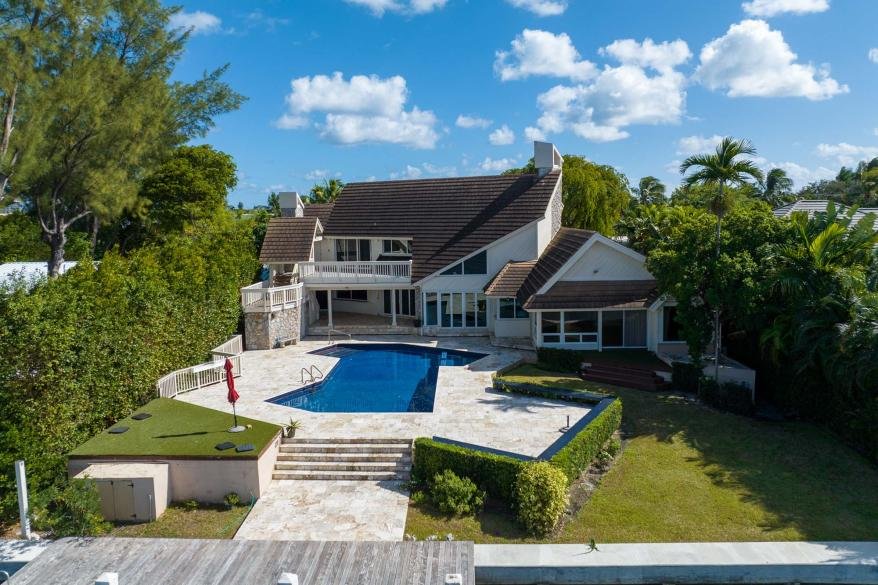
Surfside: Miami’s Ultra-Exclusive Waterfront Enclave
Understanding Surfside’s character explains why ultra-wealthy families like Bündchen choose this specific location for compound development.
Location and Geography
Surfside occupies a strategic position in Greater Miami:
Geographic positioning:
- Small incorporated town (1.5 square miles) on barrier island between Miami Beach and Bal Harbour
- Eastern boundary: Atlantic Ocean beach
- Western boundary: Biscayne Bay waterfront
- Northern boundary: Bal Harbour
- Southern boundary: Miami Beach (North Beach neighborhood)
Access and connectivity:
- 15-20 minutes to Miami International Airport
- 10 minutes to South Beach
- Adjacent to Bal Harbour Shops (luxury retail)
- 20-25 minutes to downtown Miami and Brickell
- Easy access to mainland via multiple causeways
Scale and character: Small town feel with population under 6,000—intimate community unlike Miami Beach’s urban density or Miami’s sprawl.
History and Community Character
Surfside developed as a quiet residential alternative to Miami Beach:
Historical development:
- Incorporated in 1935
- Developed as upscale residential community
- Slower growth than Miami Beach maintaining residential character
- Strong local governance and community identity
Current character:
- Predominantly single-family homes and low-rise condos
- Family-oriented with quality public and private schools
- Limited commercial development maintaining residential focus
- Strict building codes and architectural review
- Active community engagement and local pride
Cultural diversity:
- Strong Jewish community and cultural institutions
- International residents from Latin America, Europe
- Bilingual (English/Spanish) environment
- Less touristy than South Beach but cosmopolitan
Safety and quality of life:
- Low crime rates
- Well-maintained infrastructure and public spaces
- Strong police and emergency services for small community
- Beach access without South Beach party atmosphere
Why Surfside Appeals to Ultra-Wealthy Families
Several factors make surfside luxury compound development particularly attractive:
Family focus: Unlike South Beach’s nightlife and tourist orientation, Surfside prioritizes families with children—excellent schools, safe streets, neighborhood parks, family-friendly beaches.
Waterfront access: Properties with both ocean beach access (walking distance) and Biscayne Bay frontage (for docking) provide complete waterfront lifestyle.
Privacy: Small community size, limited tourism, and residential character provide privacy difficult to achieve in denser Miami areas.
Location balance: Close to Bal Harbour luxury retail, Miami Beach dining and entertainment, and downtown Miami employment without residing in high-density areas.
Community scale: Small enough for residents to know neighbors and develop community connections, large enough to provide services and infrastructure.
International school access: Proximity to quality international schools attracts global families maintaining connections to home countries while educating children in U.S.
Real estate quality: Mix of updated estates and new construction attracts buyers seeking turnkey luxury rather than extensive renovation projects.
For families like Bündchen’s with young children, international backgrounds, and privacy needs, Surfside’s family-friendly character combined with luxury and location makes it ideal for compound development.
Comparison to Miami Beach and Bal Harbour
Understanding Surfside’s positioning requires comparison to adjacent communities:
Surfside vs Miami Beach:
- More residential, less touristy than South Beach
- Quieter, family-focused vs nightlife and entertainment
- Lower density and traffic
- Generally more expensive per square foot due to exclusivity
- Less retail and dining but better for daily family life
Surfside vs Bal Harbour:
- Similar upscale residential character
- Bal Harbour slightly more exclusive and expensive
- Bal Harbour Shops provides major retail anchor
- Surfside slightly larger with more diversity
- Both appeal to similar ultra-wealthy family demographic
Surfside vs mainland (Coral Gables, Coconut Grove):
- Surfside provides beach and bay access mainland lacks
- Mainland offers larger lots and land
- Surfside’s barrier island location provides geographic boundaries and exclusivity
- Mainland typically more affordable for comparable square footage
Surfside occupies a sweet spot—more exclusive and family-focused than Miami Beach, slightly more accessible and diverse than Bal Harbour, with waterfront access mainland neighborhoods cannot match.
Indian Creek Island: The Billionaire Bunker Context
Gisele’s ex-husband Tom Brady’s residence on Indian Creek Island provides context for understanding Surfside’s positioning.
Understanding Indian Creek’s Exclusivity
Indian Creek represents Miami’s most exclusive address:
Geography and access:
- 300-acre man-made island in Biscayne Bay
- Connected to mainland by single guarded bridge
- Only 41 residential lots
- 18-hole private golf course occupying interior
- Private police force (smallest municipality in U.S. with police)
Membership and ownership:
- Properties range $30 million to $200+ million
- Ownership includes mandatory country club membership
Notable residents:
- Jeff Bezos (Amazon founder)
- Tom Brady (NFL legend, Bündchen’s ex-husband)
- Ivanka Trump and Jared Kushner
- Carl Icahn (investor)
- Julio Iglesias (entertainer)
- Multiple billionaires and business titans
Privacy and security:
- Bridge security screening all visitors
- Private police force
- Golf course buffer creating space between residences
- No public access or through-traffic
- Ultimate privacy and security for ultra-wealthy
Property Values and Market Dynamics
Indian Creek pricing reflects extreme exclusivity:
Pricing range:
- Teardown lots: $30-50 million
- Renovated estates: $50-100 million
- New construction: $80-150 million
- Trophy properties: $150-200+ million
Transaction volume:
- Only a few sales annually due to finite supply
- Properties rarely listed publicly
- Off-market transactions dominate
- Generational ownership common
Comparison to Surfside:
- Indian Creek properties cost 2-5x comparable Surfside properties
- Surfside offers 90% of Indian Creek’s benefits at 30-50% of cost
- Proximity allows Surfside residents to maintain connections to Indian Creek without island living
Why Families Choose Surfside Over Indian Creek
Despite Indian Creek’s prestige, many ultra-wealthy families prefer Surfside:
Accessibility:
- No bridge or gate restricting access
- Easier for staff, deliveries, services, and visitors
- Children’s friends can visit without security screening
- More normal daily living logistics
Community scale:
- Larger community provides more social options
- Better for families with children seeking peer groups
- More cultural and lifestyle diversity
- Less isolated than 41-home island
Cost efficiency:
- Surfside provides luxury waterfront at substantially lower cost
- Savings can be deployed to larger properties, better finishes, or other investments
Lifestyle flexibility:
- Easier access to restaurants, shops, services, beaches
- Less constrained by club rules and island governance
- More integration with broader Miami community
Compound development:
- More available property for assembly
- Zoning flexibility for multiple structures
- Better selection of adjacent properties
Family considerations:
- Better school access
- Easier for children’s social development
- Less restrictive environment for family life
For families like Bündchen’s prioritizing accessibility and family lifestyle over maximum exclusivity, Surfside offers compelling advantages.
Proximity Benefits Without Island Constraints
Surfside’s location near Indian Creek provides benefits:
Geographic proximity:
- Surfside is minutes from Indian Creek
- Maintains connection to island community
- Children can maintain friendships across both areas
- Ex-spouses can co-parent with geographic proximity
Social network:
- Overlap between Surfside and Indian Creek social circles
- Access to similar quality schools, services, activities
- Comparable ultra-wealthy community without island constraints
Value proposition:
- Enjoy most Indian Creek benefits (waterfront, privacy, luxury, security, proximity to Bal Harbour)
- Avoid island constraints (bridge access, limited scale, extreme pricing)
- Better compound development opportunities with more available adjacent properties
This positioning makes Surfside attractive for families wanting ultra-luxury waterfront living without island isolation.
Waterfront Compound Development Considerations
Building compounds on waterfront properties involves specific challenges and opportunities requiring careful planning.
Assembling Adjacent Properties
Property assembly represents the compound development foundation:
Identification:
- Survey target neighborhoods for adjacent available properties
- Understand ownership structures and owner motivations
- Assess realistic acquisition probability
Approach strategies:
- Direct approach to owners expressing interest
- Broker-intermediated discussions maintaining confidentiality
- Off-market offers before properties list publicly
- Patient approach waiting for ownership changes (death, divorce, relocation)
Negotiation dynamics:
- Adjacent properties command assembly premiums
- Sellers recognize buyer’s motivation and negotiate accordingly
- Be prepared to pay 10-30% premiums for strategic parcels
- Alternative strategies if owners won’t sell
Timing and sequencing:
- Purchase order matters for tax and planning purposes
- Simultaneous closings vs phased acquisitions
- Carrying cost considerations during assembly
- Market timing affecting total assembly costs
Bündchen’s $14.5 million purchase likely involved premium pricing reflecting seller’s awareness of compound development plans.
Zoning and Regulatory Challenges
Compound development faces regulatory complexity:
Setback and density regulations:
- Property line setbacks may prevent optimal building placement
- Lot coverage limits restrict total building area
- Height restrictions affect design options
- Zoning may limit consolidating properties
Variance requirements:
- Non-conforming uses may require variances
- Historic preservation restrictions in some areas
- Architectural review board approvals
- Neighbor notification and potential opposition
Access and easements:
- Connecting properties may require easement negotiations
- Shared driveways or access roads need legal documentation
- Utility connections between properties
- Emergency access requirements
Environmental regulations:
- Waterfront properties face coastal construction restrictions
- Wetland or mangrove protection
- Sea turtle nesting season construction limitations
- Hurricane zone building requirements
Surfside specific: Surfside maintains strict building codes, architectural review, and community standards requiring careful planning and professional guidance navigating approval processes.
Architectural Integration Across Multiple Structures
Design coordination creates cohesive compounds:
Architectural consistency:
- Unified design language across structures
- Consistent materials, colors, and details
- Scale and proportion relationships
- Modern vs traditional vs eclectic approaches
Functional connections:
- Covered walkways or breezeways between buildings
- Shared courtyards or outdoor spaces
- Visual connections and sightlines
- Traffic flow and circulation patterns
Privacy and separation:
- Strategic placement creating privacy between structures
- Landscaping buffers between buildings
- Separate entrances and outdoor spaces
- Sound isolation considerations
Infrastructure integration:
- Shared utilities and systems where possible
- Coordinated security and access control
- Central management and monitoring
- Backup power and emergency systems
High-quality architectural services become essential—compounds require sophisticated design managing multiple structures, uses, and residents while creating cohesive overall vision.
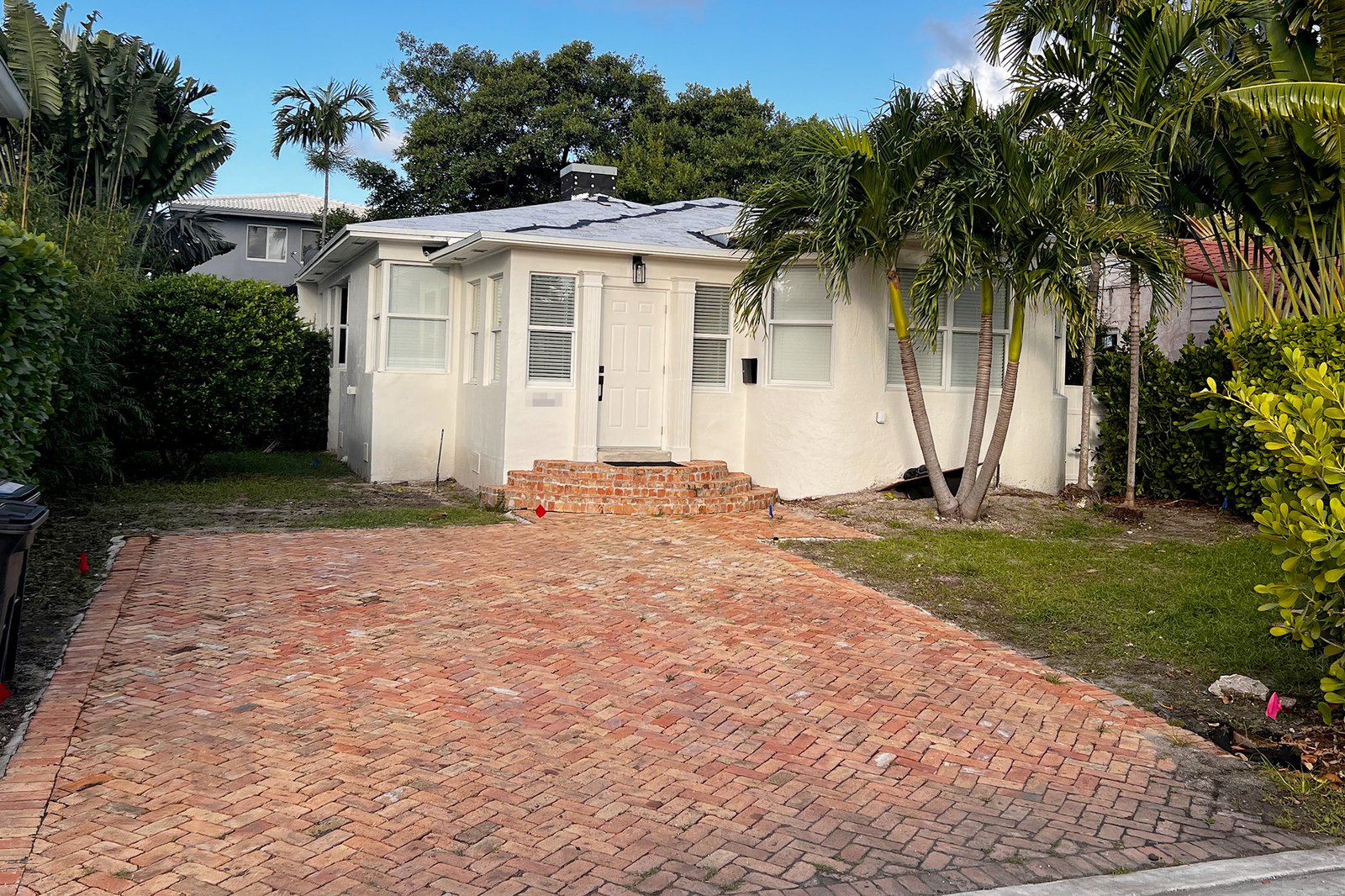
Shared Amenities and Infrastructure
Compounds allow amenity sharing across properties:
Pool and spa:
- Central pool area serving multiple residences
- Private family beach or dock area
- Outdoor kitchens and entertaining spaces
- Sports facilities (tennis, basketball, gym)
Service buildings:
- Dedicated structures for laundry, storage, maintenance
- Staff quarters and service areas
- Garage or carriage houses
- Equipment storage
Technology infrastructure:
- Central security monitoring
- Integrated smart home systems
- Unified communications and internet
- Backup power and emergency systems
Docks and watercraft:
- Shared yacht dockage
- Multiple boat slips for various vessels
- Watercraft storage and maintenance areas
- Direct bay access
Cost efficiency: Sharing high-cost amenities across multiple properties reduces per-unit costs while providing luxury typically requiring single massive estates.
Privacy Walls and Landscape Buffers
Physical privacy protection matters for compounds:
Perimeter walls and gates:
- Height-maximized walls within zoning limits
- Automated gates with security integration
- Visual screening from street and neighbors
- Sound attenuation properties
Landscape design:
- Dense tropical plantings creating visual barriers
- Mature tree selections for immediate privacy
- Hedge rows and privacy screens
- Layered planting for depth and effectiveness
Strategic placement:
- Positioning structures to maximize privacy
- Orienting windows and outdoor spaces away from sight lines
- Elevation changes creating natural barriers
Financial Analysis of Compound Development
Compound development is a significant financial undertaking with unique economic drivers.
Cost vs Value Creation
While the initial cost of acquiring multiple properties and undertaking construction is high, the value created can be substantial:
- Assembly Premium: The combined value of the assembled parcels often exceeds the sum of their individual values due to the scarcity of large, contiguous lots.
- Customization: The ability to create a perfectly tailored estate for multi-generational needs adds intangible value.
- Long-Term Appreciation: Prime waterfront compounds in exclusive areas like Surfside are highly resistant to market downturns and tend to appreciate significantly over the long term.
Property Assembly Strategies
Successful compound assembly requires a strategic approach:
- Off-Market Deals: Many adjacent properties are acquired off-market to prevent bidding wars and keep the assembly plan confidential.
- Negotiation: Expert negotiation is required to manage the “assembly premium” and acquire parcels at a reasonable cost.
- Phased Acquisition: Buying properties over time allows for capital deployment flexibility and reduces immediate financial strain.
Construction and Renovation Economics
The construction phase of a compound is complex:
- Phased Construction: Renovation or construction can be phased, allowing the family to occupy one property while the adjacent one is being developed.
- Infrastructure Costs: Integrating utilities, security, and shared amenities across multiple lots requires significant, specialized investment.
Long-Term Value Appreciation
The scarcity of large, contiguous waterfront parcels in Miami ensures that completed compounds become trophy assets with exceptional long-term appreciation potential.
Estate Tax Implications
Strategic ownership structures (LLCs, Trusts) are crucial for minimizing estate tax exposure and facilitating the smooth, tax-efficient transfer of the compound to future generations.
Celebrity Compound Examples Nationwide
The Bündchen compound is part of a broader trend:
- Historical Kennedy Compound (Hyannis Port): The original model for political and family legacy.
- Gates Family Compound (Medina, Washington): Bill Gates’ Xanadu 2.0 is a prime example of a highly customized, technologically advanced compound.
- Buffett Family Strategy (Omaha): While not a compound, Warren Buffett’s long-term residence in a modest home highlights a different approach to wealth and real estate.
- Kardashian Hidden Hills Compounds: Multiple family members owning adjacent properties in the same gated community for proximity and security.
These examples reinforce the compound as the ultimate expression of ultra-wealthy real estate strategy.
Biscayne Bay Waterfront Premium Analysis
The value of the Surfside compound is heavily tied to its waterfront location.
- Surfside vs Miami Beach Pricing: Surfside waterfront often commands a premium due to its quiet, family-friendly nature compared to the higher density of Miami Beach.
- Private Dock and Yacht Access Value: Direct bay access for large yachts is a non-negotiable feature for this demographic, adding millions to the property value.
- Direct Bay Views and Sunsets: Unobstructed views of Biscayne Bay and the Miami skyline are highly prized.
- Hurricane Protection and Insurance: Waterfront properties require specialized construction and insurance, adding to the cost but protecting the asset.
Compound Living vs Single Estate
The choice between a compound and a single mega-estate is strategic:
Advantages of Multiple Structures:
- Flexibility for multi-generational living and guest accommodation.
- Phased development and renovation.
- Separate living spaces maintain independence.
Disadvantages and Complexity:
- Increased maintenance and management complexity.
- Higher transaction costs for multiple acquisitions.
- Zoning challenges in integrating multiple parcels.
Management and Maintenance Considerations: A compound requires a dedicated estate manager and staff to coordinate maintenance, security, and service across all properties.
Flexibility and Future Planning: The compound structure allows for easier division or sale of individual parcels in the future, offering greater flexibility than a single, massive structure.
Legal and Ownership Structures
Proper legal structuring is essential for compound longevity.
- Single Owner vs Multiple Entity Approach: Using separate LLCs or trusts for each parcel can provide liability protection and tax advantages.
- Trust and LLC Strategies: These structures are used for privacy, asset protection, and estate planning.
- Family Partnership Structures: A Family Limited Partnership (FLP) can be used to manage the compound as a single asset for the benefit of all family members.
- Estate Planning Integration: The compound must be fully integrated into the family’s overall estate plan to ensure smooth generational transfer.
Property Assembly Strategies for Aspiring Compound Builders
For those aspiring to build a compound:
- Identifying Target Neighborhoods: Look for areas with lower density and a higher probability of adjacent property turnover.
- Approaching Current Owners: A discreet, broker-led approach is often most effective.
- Negotiation Tactics for Adjacent Properties: Be prepared to pay a premium, but ensure the final price justifies the long-term value of the assembled parcel.
- Timing and Market Conditions: Acquiring properties during market corrections can significantly reduce the overall cost of the compound.
Surfside Market Dynamics and Investment Thesis
Surfside’s market supports the compound strategy:
- Supply Constraints and Scarcity: Limited waterfront inventory drives up the value of assembled parcels.
- Domestic vs International Buyer Mix: A mix of domestic wealth migration and international buyers ensures robust demand.
- School Quality and Family Appeal: The family-friendly environment is a major draw for ultra-wealthy families.
- Future Development Pipeline: Limited new development protects the value of existing single-family estates.
- Appreciation Potential: The combination of scarcity, location, and demand suggests strong long-term appreciation.
Common Mistakes in Compound Development
Avoiding these pitfalls is critical:
- Overpaying for Assembly Parcels: Paying too high an assembly premium can erode the long-term return.
- Underestimating Construction Timelines: Compound construction is complex and often takes longer than anticipated.
- Ignoring Zoning and Regulatory Risks: Failure to secure necessary variances can halt the project.
- Insufficient Planning for Integration: Lack of architectural and functional cohesion across properties diminishes the compound’s value.
- Neglecting Resale Considerations: Designing a compound that is too idiosyncratic can limit the future buyer pool.
Navigate Luxury Compound Development With Expert Guidance
The complexity of property assembly, zoning, and financial structuring for a luxury compound requires expert guidance. Our team specializes in navigating these intricate transactions to ensure your family’s legacy is built on a solid foundation.
Ready to Invest in Miami’s Ultra-Luxury Waterfront?
Whether you are seeking a primary residence, a strategic investment, or a multi-unit compound, our team specializes in navigating the exclusive South Florida luxury real estate market. Contact us today for confidential, expert guidance.