

How to Buy Your First Home in 2026
The Complete First-Time Homebuyer Guide
Sarah stood in the empty living room of what might become her first home, sunlight streaming through the windows, trying to imagine her furniture here. She had saved for three years, researched for months, and now faced a decision that felt overwhelming: was this the right house? Was this the right time? Had she forgotten something critical in the process?
If you’re reading this, you’re probably feeling something similar. Buying your first home represents one of the biggest financial and emotional decisions you’ll ever make. Unlike renting, where you can walk away after a lease ends, homeownership binds you to a property, a mortgage, and a community for years to come. The stakes feel high because they are high.
But here’s what separates successful first-time buyers from those who struggle or regret their purchase: preparation, education, and strategic decision-making. This comprehensive first-time home buyer guide gives you the roadmap Sarah wished she’d had—turning an overwhelming process into a series of manageable, logical steps that lead to confident homeownership.
Whether you’re looking at a condo in Miami, a starter home in the suburbs, or a fixer-upper with potential, the principles in this guide apply everywhere. Let’s transform uncertainty into clarity, one decision at a time.
Table of Contents
- Are You Ready to Buy Your First Home?
- Building Your Financial Foundation
- Understanding Mortgages for First-Time Buyers
- The Strategic Home Search Process
- Making Smart Offers and Negotiating
- Home Inspections and Appraisals Explained
- The Closing Process Demystified
- Your First 90 Days as a Homeowner
- Critical Mistakes First-Time Buyers Must Avoid
- Regional Considerations and Florida Specifics
- What Type of Buyer Are You?
Are You Ready to Buy Your First Home?
Before diving into mortgage pre-approvals and house hunting, you need an honest assessment of your readiness. Homeownership isn’t just about wanting your own space—it requires financial stability, emotional preparedness, and lifestyle alignment.
The Three Pillars of Homebuying Readiness
Financial readiness means more than having a down payment. You need stable income, manageable debt, decent credit, and cash reserves for unexpected repairs. Emotional readiness means accepting responsibility for maintenance, being comfortable with long-term commitment, and understanding that home values fluctuate. Lifestyle readiness means planning to stay in one location for at least three to five years, being willing to handle landlord duties yourself, and having time for property maintenance.
Think of it this way: renting is like staying at a hotel where someone else fixes the air conditioning when it breaks. Owning is like having your own house where you pay for the repairs, but you also keep the equity when you eventually sell.
Readiness Self-Assessment Checklist
Financial Foundation:
- Stable employment history (typically 2+ years in same field)
- Credit score above 620 (ideally 700+)
- Down payment saved (3-20% of home price)
- Closing costs covered (2-5% of home price)
- Emergency fund with 3-6 months of expenses
- Debt-to-income ratio below 43%
Lifestyle Stability:
- Planning to stay in area for 3-5+ years
- Comfortable with maintenance responsibilities
- Ready to limit geographic mobility for career
- Prepared for potential market downturns
The Real Cost of Homeownership
Many first-time buyers focus exclusively on the monthly mortgage payment, but that’s only part of your housing expense. Property taxes, homeowners insurance, HOA fees (if applicable), maintenance, utilities, and repairs all add to your monthly burden. A common rule suggests budgeting an additional 1% of the home’s value annually for maintenance alone.
For example, if you buy a $350,000 home, expect to spend roughly $3,500 per year on maintenance—new water heaters, roof repairs, HVAC servicing, landscaping, and unexpected issues. In Florida specifically, homeowners insurance has increased dramatically due to climate risk, sometimes adding $3,000-$6,000+ annually to housing costs. These realities make understanding your true affordability essential before you start shopping.

Building Your Financial Foundation
Financial preparation separates dreamers from buyers. Lenders want to see that you can afford not just the down payment, but also the ongoing obligations of homeownership. Let’s break down exactly what you need and how to get there.
Credit Score Requirements and Improvement
Your credit score functions as your financial report card, telling lenders how reliably you’ve managed debt in the past. Most conventional loans require a minimum score of 620, though you’ll get better interest rates with scores above 740. FHA loans, popular among first-time buyers, accept scores as low as 580 with a 3.5% down payment (or 500 with 10% down).
If your score needs work, focus on these high-impact actions: pay all bills on time for at least six months before applying (payment history accounts for 35% of your score), reduce credit card balances below 30% of your limit (credit utilization is 30% of your score), avoid opening new credit accounts before applying for a mortgage, and dispute any errors on your credit report through the major bureaus.
Which Loan Type Matches Your Credit Profile?
PRO TIP #1 — Use Rate Locks Strategically
Rate locks protect you from sudden increases in interest rates during your home search and closing process. If rates are volatile or trending upward, consider locking early to secure your rate; if rates are trending downward, delay locking and monitor lender updates daily. Most locks last 30-60 days—time your lock to expire shortly after your expected closing date.
Improving your credit score by even 20-40 points can save you thousands of dollars over the life of your loan through better interest rates. It’s worth spending three to six months optimizing your credit before starting your home search.
Down Payment: How Much Do You Really Need?
The myth that you need 20% down stops many first-time buyers before they start. In reality, numerous programs exist for smaller down payments. Conventional loans can go as low as 3% down for qualified first-time buyers. FHA loans require just 3.5% down. VA loans (for veterans) and USDA loans (for rural properties) offer 0% down options.
| Loan Type | Minimum Down Payment | Credit Score Minimum | Best For |
|---|---|---|---|
| Conventional 97 | 3% | 620+ | First-time buyers with good credit |
| FHA Loan | 3.5% | 580+ | Buyers with lower credit scores |
| VA Loan | 0% | No minimum | Eligible veterans and service members |
| USDA Loan | 0% | 640+ | Rural and suburban property buyers |
| Conventional (Standard) | 20% | 620+ | Buyers wanting to avoid PMI |
What This Means For You
When to Put Less Down (3-10%):
- You want to preserve cash for furnishings, repairs, and emergencies
- You can invest extra funds for returns higher than mortgage interest
- You’re buying in an appreciating market and want to enter sooner
- Your monthly budget comfortably accommodates PMI
When to Put More Down (15-20%+):
- You want to eliminate PMI and reduce monthly payments
- You’re stretching your budget and need lower monthly obligations
- You have substantial savings beyond down payment and closing costs
- You plan to stay in the home long-term (10+ years)
Long-Term Affordability Impact: A larger down payment reduces monthly payments but ties up liquid assets. A smaller down payment preserves flexibility but increases monthly costs through PMI. Calculate your break-even point using our Easy Mortgage Calculator to make an informed decision.
However, putting down less than 20% typically requires private mortgage insurance (PMI), which adds $30-$70 per month for every $100,000 borrowed. This protects the lender if you default but doesn’t build equity for you. Many buyers accept PMI initially, then refinance or request its removal once they reach 20% equity.
Closing Costs and Cash Reserves
Beyond your down payment, expect to pay 2-5% of the purchase price in closing costs. On a $300,000 home, that’s $6,000-$15,000 covering appraisal fees, title insurance, attorney fees, lender charges, prepaid property taxes, homeowners insurance, and recording fees.
Some buyers negotiate for the seller to pay a portion of closing costs, particularly in buyer’s markets. Others roll closing costs into their mortgage (at the cost of higher monthly payments). Budget for these expenses separately from your down payment—depleting your savings entirely leaves you vulnerable to immediate repair needs.
Financial Snapshot Example
Home Price: $350,000
Down Payment (5%): $17,500
Closing Costs (3%): $10,500
Moving & Initial Expenses: $3,000
Emergency Reserve (3 months): $6,000
Total Cash Needed: $37,000
This example shows why building substantial savings matters. Even with a modest down payment, you need significant liquid assets to purchase responsibly.
Understanding Mortgages for First-Time Buyers
The mortgage process intimidates many first-time home buyers, but it’s fundamentally straightforward: a lender gives you money to buy a house, and you pay them back over time with interest. Your home serves as collateral, meaning if you can’t pay, the lender can foreclose and sell the property to recover their investment.
Pre-Qualification vs. Pre-Approval
These terms sound similar but represent different levels of commitment. Pre-qualification is an informal estimate based on self-reported financial information—it takes minutes and gives you a ballpark figure. Pre-approval involves the lender actually verifying your income, assets, and credit, then issuing a conditional commitment for a specific loan amount.
Serious sellers want to see pre-approval letters, not pre-qualification. In competitive markets, pre-approval can mean the difference between getting your offer accepted or losing the home to another buyer. Start with pre-qualification to understand your range, then get pre-approved before making offers.
PRO TIP #2 — Don’t Skip a Fully Underwritten Pre-Approval
A fully underwritten pre-approval is far stronger than a standard pre-qualification or basic pre-approval. With full underwriting, the lender reviews and verifies all your financial documents upfront—essentially completing most of the loan approval process before you find a home. This reduces underwriting surprises, shortens your closing timeline, and makes your offer significantly more competitive against other buyers. Ask your lender specifically for “full underwriting” or “complete underwritten approval.”
Fixed-Rate vs. Adjustable-Rate Mortgages
Most first-time buyers choose 30-year fixed-rate mortgages because the interest rate never changes—your principal and interest payment stays the same for three decades, making budgeting predictable. The 15-year fixed-rate option cuts your total interest paid dramatically but increases monthly payments by 50-60%.
Adjustable-rate mortgages (ARMs) offer lower initial rates that adjust after a fixed period (typically 5, 7, or 10 years). If you plan to sell or refinance before the rate adjusts, ARMs can save money. If you stay longer and rates increase, your payment can jump significantly. For most first-time buyers planning to stay 5+ years, fixed-rate mortgages provide valuable stability. Our comprehensive Mortgage & Home Loans Guide explores these options in greater depth.
Rate Lock vs. Float: Risk & Reward Analysis
✓ Protected from rate increases | ✓ Budget certainty | ✗ Can’t benefit if rates drop
✓ Can capture rate drops | ⚠️ Requires daily monitoring | ⚠️ Risk of rate increases
✗ Vulnerable to market volatility | ✗ No protection | ✗ Possible payment shock
Strategy Recommendation: In volatile or rising-rate environments, lock early. In falling-rate environments with time flexibility, monitor daily and lock when rates stabilize at favorable levels.
Mortgage Payment Components (PITI)
Your monthly mortgage payment typically includes four elements, remembered by the acronym PITI:
- Principal: The portion paying down your loan balance
- Interest: The lender’s profit on the loan
- Taxes: Property taxes collected in escrow and paid to local government
- Insurance: Homeowners insurance (and PMI if applicable) protecting both you and the lender
On a $300,000 loan at 7% for 30 years, your principal and interest would be roughly $1,996 per month. Adding $400 for taxes, $150 for insurance, and $150 for PMI brings your total payment to approximately $2,696 per month—36% higher than the base mortgage payment.
The Mortgage Application Process
Once you’re ready to apply, lenders will request extensive documentation: two years of tax returns, two months of bank statements, pay stubs covering 30 days, employment verification, explanations for any large deposits, proof of assets for down payment and reserves, and authorization to pull your credit report.
Organize these documents early to avoid delays. Lenders scrutinize your financial behavior during the application period—don’t make large purchases, open new credit accounts, change jobs, or make unexplained deposits. One client lost their loan approval because they bought a new car between pre-approval and closing, dramatically increasing their debt-to-income ratio.

The Strategic Home Search Process
With your finances in order and pre-approval in hand, the exciting part begins: finding your actual home. But before you start scrolling through online listings, you need a clear strategy to avoid wasting time or making emotional decisions.
Defining Your Must-Haves vs. Nice-to-Haves
Every buyer starts with a dream home in mind—hardwood floors, updated kitchen, big backyard, perfect location. Reality requires compromise. Separate your absolute requirements from your preferences.
✓ Strategic Buyer: Maria’s Approach
Before touring homes, Maria created:
- 3 non-negotiable must-haves: safe neighborhood, good schools, 3 bedrooms
- 3 dealbreakers: HOA >$200/month, major repairs needed, >45 min commute
- Nice-to-haves: updated kitchen, pool, garage
Result: Maria toured 8 homes over 2 weekends, made an offer on the 6th home she saw, and closed 35 days later. Her clear criteria prevented emotional decisions and analysis paralysis.
✗ Unfocused Buyer: James’s Mistake
James started searching without:
- Defining must-haves or dealbreakers
- Setting location boundaries
- Prioritizing features
Result: James toured 24 homes over 8 weeks, couldn’t make a decision, and eventually overpaid for a home he settled on out of exhaustion. He experienced severe buyer’s remorse within 6 months.
PRO TIP #3 — Create a “Non-Negotiable” List Before Touring Homes
List your top 3 must-haves and top 3 dealbreakers before viewing properties. This protects you from emotional decisions and keeps your search aligned with your goals. Must-haves might include: school district rating above 7/10, commute under 30 minutes, minimum 3 bedrooms. Dealbreakers might include: major foundation issues, flood zone, HOA fees exceeding your budget. Write these down and reference them before making any offer.
Choosing the Right Real Estate Agent
While not legally required, a buyer’s agent provides invaluable guidance for first-time home buyers. They arrange showings, provide market insight, negotiate on your behalf, recommend inspectors and lenders, and navigate the paperwork. Best of all, the seller typically pays their commission, making their services free to you.
Interview 2-3 agents before committing. Ask about their experience with first-time buyers, their typical response time, their knowledge of your target neighborhoods, and their negotiation style. A great agent educates rather than pressures, listens to your needs, and provides honest feedback about properties and market conditions. For detailed guidance on this critical selection, review our How to Choose a Real Estate Agent resource.
Understanding Different Property Types
First-time buyers often focus exclusively on single-family homes, but other property types might fit better depending on your situation, budget, and lifestyle. Single-family homes offer privacy, land, and complete control but require full maintenance responsibility. Condominiums cost less upfront and outsource maintenance but charge monthly HOA fees and restrict certain freedoms. Townhomes split the difference, offering some outdoor space and privacy while sharing walls and sometimes maintenance duties.
In markets like Florida, the choice between condos and houses involves additional considerations around insurance, hurricane preparedness, and lifestyle preferences. Our analysis of Condo vs House in Florida explores these tradeoffs specific to the region.
🏡 Single-Family Home
- Complete privacy and control
- Yard space for pets/kids
- No HOA restrictions (usually)
- Full maintenance responsibility
- Higher purchase price
- Greater appreciation potential
🏢 Condominium
- Lower purchase price
- Minimal maintenance required
- Amenities included (pool, gym)
- Monthly HOA fees
- Shared walls/noise concerns
- Rental/renovation restrictions
🏘️ Townhome
- More space than condos
- Some outdoor space
- Moderate HOA fees
- Shared wall maintenance
- Mid-range pricing
- Balance of privacy and convenience
Neighborhood Research and Selection
Your home’s location matters more than the home itself—you can renovate the house, but you can’t move the neighborhood. Research crime statistics, school ratings (even without kids, as schools affect resale value), walkability scores, commute times during rush hour, nearby amenities, and future development plans.
Visit neighborhoods at different times—weekday mornings, weekday evenings, and weekends—to understand traffic patterns, noise levels, and community character. Talk to current residents about what they love and what frustrates them. Check local government websites for planned infrastructure projects or zoning changes that might affect property values. If you’re considering Miami neighborhoods, our guide to Best Neighborhoods for First-Time Buyers provides specific insights into affordability and livability across different areas.
Making Smart Offers and Negotiating
You’ve found a house that checks most of your boxes, toured it twice, and feel ready to move forward. Now comes the nerve-wracking part: making an offer that’s competitive enough to get accepted but smart enough to protect your interests.
Comparative Market Analysis: Pricing Your Offer
Your agent will provide a comparative market analysis (CMA) showing recent sales of similar homes in the neighborhood. This data grounds your offer in reality rather than emotion. In a seller’s market with multiple offers, you might offer asking price or above. In a buyer’s market with homes sitting for months, you might offer 5-10% below asking.
Consider not just the price but also the terms. Offering flexibility on the closing date, waiving minor contingencies, or including an escalation clause (automatically increasing your bid if competing offers come in) can make your offer more attractive even at a slightly lower price. However, never waive the inspection contingency—that protects you from buying a home with major undisclosed problems.
✓ DO THIS When Making Offers
- Use recent comparable sales to justify your price
- Strengthen terms even if you can’t offer the highest number
- Include a personal letter to sellers (in emotional markets)
- Offer flexible closing dates that work for the seller
- Get fully underwritten pre-approval to show strength
- Respond quickly to counteroffers
- Keep emotions in check during negotiations
✗ AVOID THIS Common Mistakes
- Waiving inspection contingencies blindly
- Making emotional decisions under pressure
- Offering your maximum price in the first offer
- Requesting every appliance and fixture
- Submitting lowball offers that insult sellers
- Ignoring your agent’s pricing guidance
- Letting desperation show in negotiations
Offer Components and Contingencies
A standard purchase offer includes: the purchase price, the deposit amount (earnest money, typically 1-3% of purchase price), the type of financing, contingencies protecting you if certain conditions aren’t met, requested seller concessions, included appliances or fixtures, and the proposed closing date.
| Contingency Type | Purpose | Timeline |
|---|---|---|
| Financing Contingency | Allows you to back out if you can’t secure a mortgage | 30-45 days |
| Inspection Contingency | Lets you renegotiate or cancel if major defects are found | 7-14 days |
| Appraisal Contingency | Protects you if the home appraises below offer price | 30-45 days |
| Home Sale Contingency | Makes purchase dependent on selling your current home | 60-90 days |
| Title Contingency | Ensures seller has clear legal ownership to transfer | 30 days |
Contingencies give you legal exits if problems arise, but too many contingencies make your offer less attractive to sellers. Most first-time buyers include financing, inspection, and appraisal contingencies at minimum. The home sale contingency doesn’t apply since you’re not selling an existing property.
Negotiation Strategies
Negotiation doesn’t end with your initial offer. Sellers might counter with a higher price, different closing date, or fewer contingencies. You can counter their counter, creating a back-and-forth until you reach agreement or walk away.
Stay rational during negotiations. Set your maximum price before making an offer and stick to it—losing a bidding war costs you nothing except disappointment, while overpaying costs you thousands of dollars. Remember that everything is negotiable: price, closing date, included items, repair credits, and even who pays certain closing costs.
If the inspection reveals problems, you have three options: ask the seller to make repairs before closing, request a credit to handle repairs yourself after closing, or renegotiate the purchase price to reflect the property’s condition. Experienced agents know which approach works best based on the specific situation and local market conditions.
Home Inspections and Appraisals Explained
Once your offer is accepted, the due diligence period begins. This is when you verify that the home is actually worth what you’re paying and doesn’t have hidden problems that will cost you tens of thousands to fix.
The Home Inspection Process
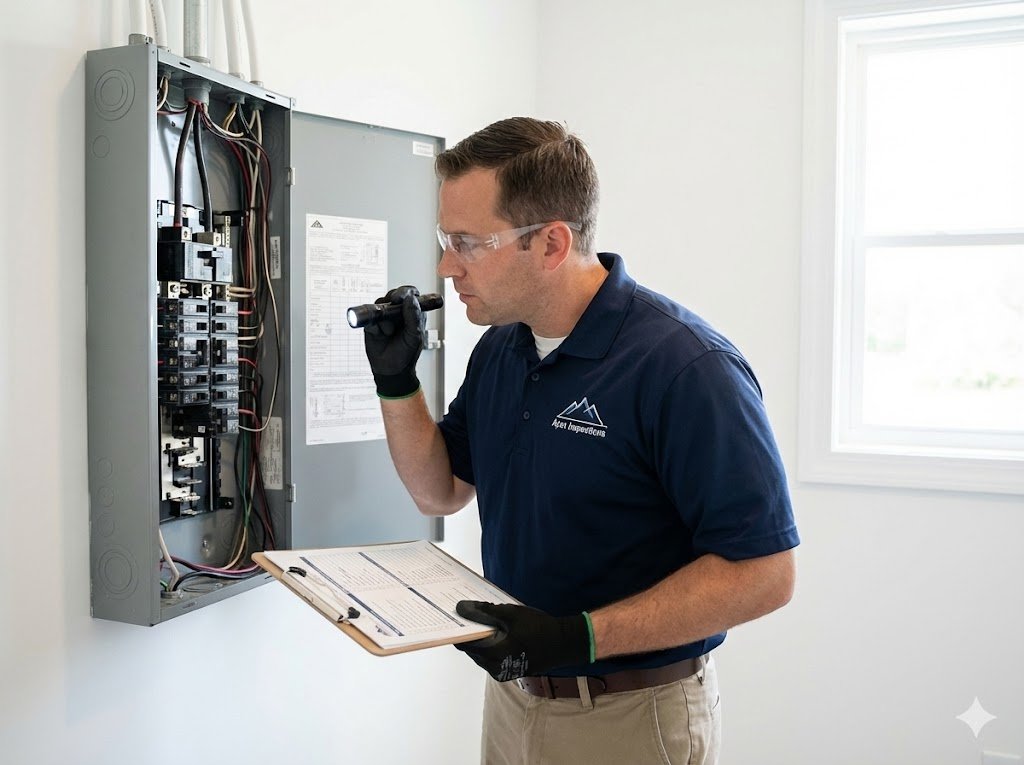
Hire a licensed home inspector to examine the property’s structure, systems, and safety. They’ll check the foundation, roof, plumbing, electrical, HVAC, insulation, drainage, and major appliances. The inspection typically takes 2-4 hours depending on home size, and you should absolutely attend—inspectors explain problems as they find them and answer questions.
Expect the inspector to find issues. No home is perfect, and their job is to document everything from minor maintenance items to major structural concerns. Focus on big-ticket items that affect safety, livability, or value: roof damage, foundation cracks, electrical hazards, plumbing leaks, mold, pest damage, or HVAC failure. Don’t get derailed by cosmetic issues or minor repairs you can easily handle.
A typical inspection costs $300-$500 and could save you from buying a money pit. If major problems emerge, you can request repairs, credits, price reduction, or cancel the contract (if your inspection contingency allows). Our detailed Home Inspection Checklist helps you understand what inspectors evaluate and what issues matter most.
Specialized Inspections
General inspections don’t cover everything. Consider specialized inspections for: pest/termite damage (often required by lenders), radon testing (especially in certain regions), septic system evaluation (for homes not on municipal sewer), well water testing (for homes not on municipal water), mold assessment (if you see signs or smell mustiness), and structural engineering (if the general inspector flags foundation concerns).
These add costs but prevent expensive surprises. A $200 termite inspection could reveal $15,000 worth of damage. A $400 septic inspection might uncover a failing system that would cost $20,000 to replace. Invest in the inspections relevant to your property type and location.
After navigating inspection negotiations, you’ll face another critical verification process: the appraisal. While inspections assess condition, appraisals determine value—and low appraisals can derail even the smoothest transactions.
Understanding the Appraisal
Your lender orders an appraisal to verify the home’s value supports the loan amount—they won’t lend you more than the property is worth. An appraiser (different from your inspector) evaluates the property using comparable sales, condition, size, features, and location to determine market value.
If the appraisal comes in at or above your offer price, you proceed to closing. If it appraises low—say you offered $350,000 but it appraises at $335,000—you face several options:
If Appraisal Comes In Low: Your Options
Low appraisals happen more frequently in hot markets where prices rise faster than appraisers’ data can reflect. They also occur with overpriced homes that buyers offer full price on due to emotional attachment or bidding wars. The appraisal protects you from overpaying and prevents the lender from being underwater if you default immediately.
Week 1: Home Inspection
Schedule inspection within 7-10 days of accepted offer. Review report carefully with your agent and identify negotiable issues.
Week 2: Negotiation & Resolution
Request repairs, credits, or price adjustments based on inspection findings. Sellers respond; you decide whether to proceed, renegotiate, or cancel.
Week 3: Appraisal & Specialized Inspections
Lender orders appraisal. Complete any specialized inspections (termite, radon, septic) during this window.
Week 4: Final Underwriting
Lender reviews all documentation, confirms clear title, and issues final loan approval. Address any remaining conditions.
The Closing Process Demystified
You’ve navigated inspections, appraisals, and negotiations. Now comes the final stretch: closing, where ownership officially transfers from seller to buyer. This process involves mountains of paperwork, substantial funds, and attention to detail.
Understanding the Closing Disclosure
At least three business days before closing, your lender must provide a Closing Disclosure outlining all final loan terms, monthly payments, and closing costs. Review this document carefully against your original Loan Estimate—costs shouldn’t change dramatically unless you changed the loan terms, closing date, or issues arose during underwriting.
The Closing Disclosure shows: your loan amount, interest rate, monthly payment, cash needed to close (down payment plus closing costs minus your earnest money deposit), itemized closing costs, and who pays what (buyer vs. seller). If anything looks wrong, question it immediately—errors do occur, and correcting them before closing is much easier than after.
Understanding Your Closing Costs: What’s Negotiable?
Costs That Vary By Lender (Shop Around):
- Origination fees: 0.5-1.5% of loan amount
- Processing fees: $300-$900
- Underwriting fees: $400-$900
- Document preparation: $100-$300
Costs That Are Negotiable:
- Seller concessions toward closing costs (in buyer’s markets)
- Title insurance provider selection
- Settlement/escrow company choice
- Some lender fees if you have competing quotes
Typical National Ranges (2-5% of Purchase Price):
- $300,000 home: $6,000-$15,000 in closing costs
- $500,000 home: $10,000-$25,000 in closing costs
- Higher in high-tax states; lower in low-tax states
Strategy: Get Loan Estimates from 3+ lenders and compare line-by-line. Differences of $2,000-$5,000 in total closing costs are common. Use competing quotes to negotiate better terms.
What Happens at Closing
Closing, also called settlement, typically occurs at a title company, attorney’s office, or lender’s office. You’ll sit at a table with your agent, the seller’s agent, a settlement officer or attorney, and possibly the seller (though seller and buyer often close separately). Expect the process to take 1-2 hours while you sign dozens of documents.
Key documents you’ll sign include: the promissory note (your promise to repay the loan), the deed of trust or mortgage (giving the lender a lien on the property), the Closing Disclosure (confirming all costs), the deed (transferring title from seller to buyer), and various disclosures and affidavits required by state law.
Bring a government-issued photo ID and a cashier’s check or arrange a wire transfer for your down payment and closing costs. Personal checks aren’t typically accepted for amounts this large. You’ll receive copies of everything you sign, keys to your new home, and a welcome packet from the title company.
Title Insurance and Why It Matters
Title insurance protects you and your lender against legal claims on the property’s ownership. A title search reveals any liens, unpaid taxes, judgments, or ownership disputes. Title insurance ensures that if issues emerge later—say, an heir claims partial ownership or an old lien resurfaces—the insurance covers legal fees and financial losses.
You’ll pay for both an owner’s policy (protecting you) and a lender’s policy (protecting the bank). The lender’s policy is required; the owner’s policy is optional but highly recommended. Unlike other insurance, you pay once at closing and you’re covered for as long as you own the home.
Final Walk-Through
Schedule a final walk-through within 24 hours of closing to verify the home’s condition hasn’t changed since your offer. Check that agreed-upon repairs were completed, all systems still function, the seller removed their belongings, and no new damage occurred. If problems exist, closing can be delayed until they’re resolved.
This isn’t a second inspection—you’re confirming the status quo, not looking for new issues. Turn on faucets, test appliances, check for pest evidence, and verify the seller left items specified in the contract (like the refrigerator or window treatments). Bring your agent and take photos if anything seems wrong.
Your First 90 Days as a Homeowner
Congratulations—you’re a homeowner! The celebration is warranted, but the work isn’t finished. The first three months of homeownership set the tone for years to come. Here’s how to start strong.
Immediate Priorities (Days 1-7)
Change the locks. You don’t know who has keys from previous owners, contractors, or real estate agents. A locksmith can rekey your locks for $100-$200, providing peace of mind. Set up utilities in your name if not already done—electricity, gas, water, internet, and waste management. Update your address with the post office, banks, credit cards, employer, insurance companies, and anywhere else that matters.
Locate your main water shutoff, electrical panel, and HVAC controls. In an emergency, you need to find these quickly. Document the home’s condition with photos and video—useful for insurance claims and tracking maintenance over time. Review your homeowners insurance policy to understand coverage, deductibles, and how to file claims.
First-Month Maintenance Tasks
Replace HVAC filters (and mark your calendar to do this every 1-3 months). Test smoke detectors and carbon monoxide detectors; replace batteries if needed. Clean dryer vents to prevent fire hazards. Check for any leaks under sinks, around toilets, and in the basement or crawl space. Flush your water heater to remove sediment (or hire a plumber if you’re not comfortable doing it yourself).
Create a home maintenance binder with copies of your inspection report, warranty information for appliances, service records, paint colors, and contacts for your mortgage lender, insurance agent, and important contractors. This becomes your reference manual for everything about your home. Our comprehensive Home Maintenance Checklist breaks down seasonal and annual tasks to keep your property in top condition.
Building Your Emergency Fund
Many first-time buyers deplete their savings for the down payment and closing costs. Prioritize rebuilding your emergency fund—aim for 3-6 months of expenses including your mortgage payment. Additionally, start a separate home repair fund. Budget 1-2% of your home’s value annually for maintenance and repairs.
Appliances break, roofs leak, HVAC systems fail—usually at the worst possible time. Having $3,000-$5,000 set aside for these inevitabilities prevents you from taking on high-interest debt when your water heater dies. One major unexpected expense shouldn’t derail your finances.
Week 1 Checklist
- Change locks immediately
- Set up all utilities
- Update mailing address
- Locate emergency shutoffs
- Test all safety devices
- Meet your neighbors
Month 1 Checklist
- Replace HVAC filters
- Deep clean entire home
- Check for leaks/issues
- Create maintenance binder
- Schedule service appointments
- Set up auto-pay for mortgage
Month 3 Checklist
- Review insurance coverage
- Complete small repairs
- Build emergency fund
- Understand property taxes
- Plan seasonal maintenance
- Evaluate renovation needs
PRO TIP #4 — Review HOA Rules Before Falling in Love With a Home
If the property has an HOA, check rental rules, pet policies, renovation restrictions, and pending special assessments BEFORE making an offer. These can significantly impact lifestyle and long-term costs. Request HOA financial statements, recent meeting minutes, and the CC&Rs (Covenants, Conditions & Restrictions) during your due diligence period. A financially healthy HOA with reasonable rules protects your investment; an under-funded HOA with excessive restrictions can become a costly headache.
Critical Mistakes First-Time Buyers Must Avoid
Learning from others’ mistakes costs less than making them yourself. Here are the most common errors first-time home buyers make and how to avoid them throughout your home buying process.
Financial Mistakes
Borrowing the Maximum Amount: Just because a lender approves you for $400,000 doesn’t mean you should borrow that much. Lenders calculate based on debt-to-income ratios, not your actual lifestyle costs. Leave room in your budget for savings, vacations, emergencies, and quality of life. A comfortable mortgage feels better than a stressful one.
Ignoring Total Housing Costs: Your mortgage payment is just the beginning. Add property taxes, insurance, HOA fees, utilities, and maintenance to understand your real monthly expense. In some areas, property taxes alone add $500-$1,000+ monthly to your housing costs.
Draining Savings Completely: Putting every dollar toward your down payment leaves you vulnerable to immediate repair needs or income disruption. Keep an emergency fund separate from your home-buying savings. Financial flexibility matters more than minimizing your monthly mortgage payment.
Not Shopping for Mortgage Rates: Many buyers accept their first pre-approval without comparing rates from multiple lenders. A difference of just 0.25% on a $300,000 loan costs roughly $16,000 over 30 years. Spend a few hours getting quotes from 3-4 lenders or use a mortgage broker who shops on your behalf.
Search and Purchase Mistakes
Falling in Love Too Fast: Emotional attachment to a home clouds judgment. You overlook red flags, overpay in bidding wars, and make concessions you shouldn’t. View several properties before getting attached to any single one. Remember, you’re making a business decision wrapped in emotion, not the other way around.
Skipping the Inspection: Waiving inspection contingencies to make your offer more competitive is rarely worth the risk. A $400 inspection could reveal $30,000 in needed repairs. If you discover problems after closing without an inspection, you own those problems—the seller has no obligation to help.
Buying the Most Expensive House in the Neighborhood: When you own the priciest home on the block, appreciation suffers—surrounding homes drag down your value. Better to buy one of the less expensive homes in a great neighborhood where your property benefits from its neighbors’ value.
Ignoring Resale Value: Even if this is your “forever home,” life changes. Job transfers, family expansion, divorce, illness—countless reasons might force you to sell sooner than planned. Buy something with broad appeal: good location, functional layout, reasonable size. Ultra-personalized homes or properties with unusual features limit your buyer pool when selling.
Regional Considerations and Florida Specifics
While the fundamental first-time home buyer guide principles apply nationwide, regional differences matter enormously. Markets vary in pricing, legal requirements, climate concerns, and practical considerations. Since Amarante Real Estate serves the Florida market extensively, let’s examine what makes buying property in the Sunshine State unique.
Florida-Specific Insurance Challenges
Florida’s homeowners insurance market has become increasingly difficult and expensive. Hurricane risk, flood exposure, and departing insurance companies have created a crisis where premiums have doubled or tripled in recent years. Many properties, especially in coastal areas, now require separate wind and flood policies on top of standard homeowners insurance.
Factor these costs into your budget before making an offer. A home that seems affordable based on the mortgage payment might be financially stressful once you add $4,000-$8,000 annually for insurance. Request insurance quotes for specific properties before writing offers—you might discover some neighborhoods or building types are substantially more expensive to insure than others. Our detailed analysis of the Florida Homeowners Insurance Crisis provides current data and strategies for managing these costs.
Flood Zones and Climate Considerations
Check FEMA flood zone maps before buying any Florida property. Properties in Special Flood Hazard Areas (SFHAs) require flood insurance if you have a mortgage, adding $400-$3,000+ annually to your costs. Even properties outside flood zones may flood during major storms—the 100-year flood plain designation means a 1% annual chance of flooding, which translates to a 26% chance over a 30-year mortgage.
Beyond insurance, consider practical climate factors: storm shutters or impact windows (required in many coastal areas), backup generators, elevated construction in flood-prone areas, and adequate drainage systems. Many Florida buyers prioritize homes with concrete block construction, impact-resistant features, and strong roof attachment systems—things that matter less in other regions but significantly affect safety and insurance costs here.
| Florida Consideration | Impact on Budget | Action Required |
|---|---|---|
| Hurricane Insurance | $2,000-$8,000+/year | Get specific quotes before making offer; consider wind mitigation inspections |
| Flood Insurance | $400-$3,000+/year | Check FEMA flood maps; required if in SFHA with mortgage |
| Property Taxes | 0.8-1.8% of value annually | File for homestead exemption; verify millage rates for specific property |
| HOA Fees | $100-$1,000+/month | Review HOA financials, rules, and reserve funds before buying |
| Hurricane Prep | $1,000-$40,000+ (one-time) | Budget for impact windows/shutters; insurance discounts may offset costs |
Florida First-Time Buyer Resources
Florida offers several programs specifically designed to help first-time buyers:
- Florida Housing Finance Corporation: Provides down payment assistance and below-market interest rates for qualified buyers
- Florida Assist: Offers up to $7,500 in down payment and closing cost assistance
- HFA Preferred: Available in all Florida counties, offering competitive rates and low down payments
- Local County Programs: Many Florida counties offer additional assistance—check with your county housing authority
Income and purchase price limits apply to these programs. Work with a knowledgeable lender familiar with Florida’s first-time buyer programs to determine your eligibility.
What Type of Buyer Are You?
Understanding your buyer profile helps you make decisions aligned with your values, risk tolerance, and long-term goals. Most first-time buyers fall into one of these three categories:
Risk-Averse Buyer
Your Priority: Stability and predictability above all else.
Best Approach: Choose 30-year fixed mortgage, put 20% down to avoid PMI, buy below your maximum budget, maintain 6+ months emergency fund, select move-in ready homes in established neighborhoods.
Avoid: ARMs, minimal down payments, fixer-uppers, stretching your budget to the limit.
Budget-Maximizer
Your Priority: Getting the most value from every dollar spent.
Best Approach: Put 3-5% down to preserve cash, compare 3+ lenders aggressively, consider up-and-coming neighborhoods, negotiate hard on price and repairs, do minor renovations yourself.
Avoid: Emotional decisions, paying for services you can handle yourself, buying in peak markets without negotiating.
Lifestyle-First Buyer
Your Priority: Finding the right home that fits your life, regardless of perfect timing or pricing.
Best Approach: Focus on location and lifestyle fit first, accept market pricing when you find the right home, prioritize features that matter to your daily life, plan to stay 7-10+ years.
Avoid: Waiting for perfect market conditions, compromising on must-haves to save money, buying based solely on investment potential.
Most buyers blend elements of all three profiles. Identify which resonates most strongly, then use that self-awareness to guide your decisions when priorities conflict. A risk-averse buyer should resist the temptation to stretch their budget. A budget-maximizer should avoid emotional overpayment. A lifestyle-first buyer should still maintain financial prudence even when they find their dream home.
Your Journey Begins Here
Buying your first home represents a major financial commitment and a significant life milestone. The process can feel overwhelming, especially when you’re navigating it for the first time without the experience to distinguish normal challenges from serious problems.
But thousands of first-time buyers successfully navigate this journey every month. They start with education, build their financial foundation, assemble a strong team of professionals, stay patient during the search, protect themselves with inspections and contingencies, and make informed rather than emotional decisions.
This first-time home buyer guide has given you the framework. Now comes the execution. Start by assessing your financial readiness using our Home Affordability Calculator. Review your credit, build your savings, and get pre-approved for a mortgage. Interview real estate agents who specialize in working with first-time buyers. Define your must-haves and start exploring neighborhoods.
Remember that buying a home isn’t a race. Taking an extra 3-6 months to improve your credit score, save a larger down payment, or understand the market better will pay dividends for decades. The family who rushes into a purchase they can barely afford suffers for years. The buyer who takes time to prepare makes a confident, informed decision and builds wealth steadily.
Whether you’re looking at condos in Miami Beach, starter homes in suburban neighborhoods, or investment properties that you’ll eventually rent out, these principles guide your decision-making. Markets change, interest rates fluctuate, and specific properties come and go—but the fundamentals of responsible homebuying remain constant.
Your first home probably won’t be your forever home. That’s okay. It’s a stepping stone that builds equity, provides stability, and teaches you about property ownership. In five or ten years, you might sell this home and upgrade to something larger, better located, or more suited to your evolved needs. Each property you own makes you a more sophisticated real estate investor and homeowner.
The journey from first-time buyer to experienced homeowner begins with a single step: education. You’ve taken that step by reading this guide. Now continue forward with confidence, patience, and the knowledge that millions of successful homeowners started exactly where you are today.
We are just a click away and we are always available. Contact us: