

Rent vs Buy in Miami: 2025 Financial Breakdown & Neighborhood Guide
Should you rent or buy in Miami in 2025? This data-driven comparison breaks down real costs including HOA fees, hurricane insurance, and property taxes across Miami neighborhoods to help you make the smartest financial decision.
Why Miami’s Rent vs Buy Equation Is Unique
The rent vs buy decision in Miami is fundamentally different from most U.S. cities. While national calculators provide generic formulas, they fail to account for South Florida’s unique cost structure and market dynamics that can swing the equation dramatically in either direction.
Miami’s real estate market operates under pressures you won’t find in Denver, Austin, or Charlotte. Hurricane insurance has skyrocketed since 2022, adding $3,000–$8,000 annually to homeownership costs that renters never see. HOA fees in popular condo buildings can reach $800–$1,200 per month, rivaling mortgage payments themselves. Property insurance providers have fled the state, leaving homeowners scrambling for coverage at premium rates.
At the same time, Miami rents have experienced unprecedented volatility. Between 2021 and 2023, some neighborhoods saw 40%–60% rent increases as remote workers and relocators flooded the market. While rents have stabilized somewhat in 2024–2025, they remain elevated compared to pre-pandemic levels, and landlords continue to push annual increases of 5%–10%.
This creates a complex calculation. In some Miami neighborhoods and price points, buying makes overwhelming financial sense. In others, renting provides better flexibility and lower monthly costs. The answer depends on your budget, timeline, lifestyle preferences, and which neighborhood you’re targeting.
This guide provides a miami rent analysis using real 2025 data for costs, neighborhoods, and break-even scenarios. Whether you’re a first-time buyer, a relocator from New York or California, or a long-time renter reconsidering your options, you’ll find actionable numbers to inform your decision about whether you should buy in miami 2025 or continue renting.
2025 Miami Rent Trends
Average Rent by Neighborhood
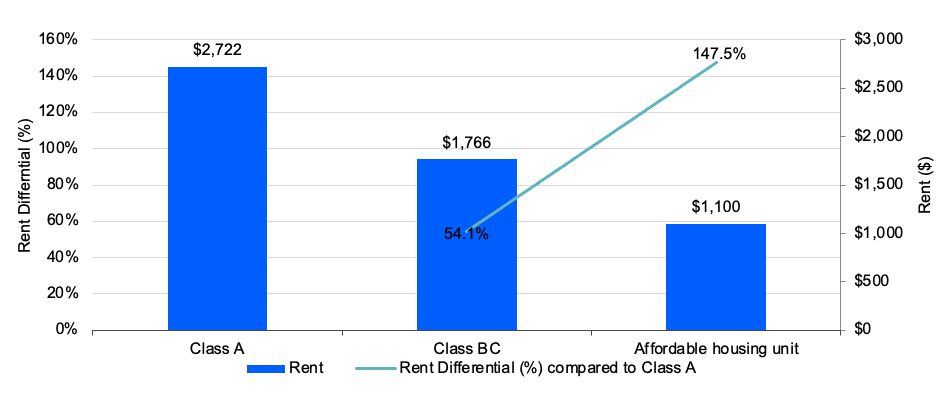
Miami rental prices vary dramatically by location. Here’s what you can expect to pay for a one-bedroom apartment in popular neighborhoods as of early 2025:
- Brickell: $2,400–$3,200/month
- Edgewater: $2,200–$2,900/month
- Coral Gables: $2,000–$2,800/month
- Coconut Grove: $2,100–$2,700/month
- Wynwood: $1,900–$2,600/month
- Miami Beach (South Beach): $2,500–$3,500/month
- Aventura: $2,300–$3,000/month
- Doral: $1,800–$2,400/month
- Fort Lauderdale (Downtown): $2,000–$2,700/month
Two-bedroom units typically run $500–$1,000 higher per month depending on the building and amenities. Luxury high-rises with resort-style pools, fitness centers, and concierge services command premium rents, while older walk-up buildings offer more affordable options.
Rent Increases and Market Volatility
Miami experienced some of the nation’s steepest rent increases between 2021 and 2023, driven by massive migration from high-tax states, remote work flexibility, and limited new construction. Many tenants saw renewal offers 30%–50% higher than their previous leases.
In 2024–2025, the market has cooled but remains unpredictable. Average annual rent increases now range from 5%–10%, though some landlords push higher in desirable buildings. Month-to-month leases or short-term renewals often come with 15%–20% premiums.
Renters face uncertainty every 12 months. A $2,500/month apartment today could easily become $2,750–$3,000 at renewal, forcing difficult decisions about relocating, negotiating, or absorbing the increase.
Rental Inventory and Competition
New apartment towers have added inventory in Brickell, Edgewater, and Wynwood, creating more options for renters. However, demand remains strong due to continued migration and international buyers seeking rental income.
Competition is fierce for well-priced units in top buildings. Expect to provide proof of income (3x monthly rent), credit checks, background checks, and first/last month’s rent plus security deposit. Some landlords require additional deposits for pets or request higher income verification for self-employed applicants.
2025 Homeownership Costs in Miami
Understanding the true cost of homeownership in Miami requires looking beyond the mortgage payment. Hidden expenses can add $1,000–$2,500 per month to your housing costs.
Mortgage Rates and Down Payments
As of early 2025, mortgage rates for qualified buyers hover around 6.5%–7.5% for conventional 30-year fixed loans. Rates fluctuate based on credit score, down payment size, and loan type.
Most conventional loans require 5%–20% down. FHA loans allow as little as 3.5% down but require mortgage insurance. For a $500,000 condo:
- 5% down = $25,000
- 10% down = $50,000
- 20% down = $100,000
At 7% interest with 10% down, your principal and interest payment would be approximately $2,995/month on a $450,000 loan. But that’s just the beginning.
Property Taxes in Miami-Dade and Broward
Florida has no state income tax, but property taxes fund local services. Effective property tax rates in Miami-Dade and Broward typically range from 1.8%–2.2% of assessed value annually.
For a $500,000 property, expect $9,000–$11,000 per year in property taxes, or roughly $750–$920/month. Homestead exemption ($50,000 reduction in assessed value) and Save Our Homes (caps annual increases at 3% for primary residences) provide some relief, but new buyers pay taxes based on purchase price.
Hurricane and Flood Insurance Reality
This is where Miami homeownership costs diverge sharply from national averages. Hurricane insurance (windstorm coverage) has become extraordinarily expensive following recent storms and insurer exits from Florida.
Annual homeowners insurance (including wind coverage) can range from:
- Condos: $2,000–$5,000/year ($165–$415/month)
- Single-family homes: $4,000–$10,000/year ($330–$830/month)
- Waterfront properties: $8,000–$15,000+/year ($665–$1,250+/month)
Many Miami homeowners have been forced into Citizens Property Insurance (the state-backed insurer of last resort), which offers coverage but at increasing premiums. Some coastal properties now struggle to find affordable coverage at any price.
Flood insurance adds another layer. FEMA flood zones (especially A and V zones) require flood insurance if you have a mortgage. Annual flood insurance premiums range from $400–$3,000+ depending on elevation and zone designation.
HOA Fees and Special Assessments
Condo ownership in Miami comes with mandatory HOA fees covering building maintenance, amenities, insurance, reserves, and staff. Monthly HOA fees vary widely:
- Older buildings (1980s–1990s): $300–$600/month
- Newer mid-rise buildings: $400–$700/month
- Luxury high-rises: $700–$1,500+/month
These fees are not optional and typically increase 3%–5% annually. Buildings with extensive amenities (pools, gyms, concierge, valet) charge more.
Special assessments for major repairs (roofs, façades, elevators, hurricane upgrades) can add $10,000–$50,000+ in one-time costs. Many Miami buildings built in the 1970s–1990s are now facing significant capital improvement needs.
Maintenance and Unexpected Costs
Single-family homeowners handle their own maintenance: roof repairs, HVAC replacement, landscaping, pool service, pest control, and appliance repairs. Budget 1%–2% of home value annually for maintenance, or $5,000–$10,000/year for a $500,000 property.
Condo owners avoid some maintenance but still pay for in-unit repairs, appliance replacement, and improvements.

Break-Even Analysis: When Does Buying Make Sense?
The break-even point is when the total cost of buying equals the total cost of renting, after accounting for equity buildup, tax benefits, and opportunity costs. In Miami, break-even timelines typically range from 4–8 years depending on the property and neighborhood.
Example 1: $400,000 Condo in Brickell
Purchase details:
- Price: $400,000
- Down payment (10%): $40,000
- Loan amount: $360,000
- Interest rate: 7%
- Monthly mortgage (P&I): $2,394
- Property taxes: $625/month
- HOA fees: $550/month
- Insurance: $250/month
- Total monthly cost: $3,819
Rental alternative:
- Comparable 1-bedroom in Brickell: $2,600/month
Analysis: Monthly cost difference: $1,219 more to own. However, you’re building equity (approximately $600/month in year one) and may deduct mortgage interest if you itemize taxes. Assuming 3% annual appreciation, you’d break even around year 6–7. If you plan to stay in Brickell long-term, buying makes sense. If you might relocate in 2–3 years, renting offers better flexibility.
Example 2: $600,000 Townhouse in Coral Gables
Purchase details:
- Price: $600,000
- Down payment (15%): $90,000
- Loan amount: $510,000
- Interest rate: 7%
- Monthly mortgage (P&I): $3,391
- Property taxes: $950/month
- HOA fees: $200/month
- Insurance: $450/month
- Total monthly cost: $4,991
Rental alternative:
- Comparable 3-bedroom townhouse: $3,800/month
Analysis: Monthly cost difference: $1,191 more to own. Equity buildup is stronger at this price point (roughly $850/month in year one). With Coral Gables’ stable appreciation (historically 3%–5% annually), break-even occurs around year 5–6. Families planning to stay for children’s schooling benefit significantly from buying.
Example 3: $800,000 Single-Family Home in Pinecrest
Purchase details:
- Price: $800,000
- Down payment (20%): $160,000
- Loan amount: $640,000
- Interest rate: 6.75%
- Monthly mortgage (P&I): $4,150
- Property taxes: $1,300/month
- Insurance: $650/month
- Maintenance: $650/month
- Total monthly cost: $6,750
Rental alternative:
- Comparable 4-bedroom home: $5,200/month
Analysis: Monthly cost difference: $1,550 more to own. Equity buildup is substantial (approximately $1,100/month in year one). Pinecrest’s strong schools and family-friendly environment drive steady appreciation. Break-even typically occurs around year 5. For families committed to the area, ownership builds significant long-term wealth.
Understanding Your Break-Even Timeline
Your personal break-even point depends on:
- Down payment size (larger down payments reduce monthly costs)
- Mortgage rate (lower rates improve buying economics)
- HOA fees (higher fees tilt toward renting)
- Insurance costs (coastal properties face higher costs)
- Expected appreciation (hot neighborhoods favor buying)
- Tax situation (itemizers benefit more from mortgage interest deduction)
- Length of stay (5+ years favors buying; 1–3 years favors renting)
Run the numbers with a local lender and real estate professional using your specific financial situation.
Lifestyle Factors to Consider Beyond the Numbers
The rent vs buy miami decision isn’t purely financial. Lifestyle considerations often matter as much as break-even calculations.
Flexibility vs Stability
Renting provides unmatched flexibility. If your job requires potential relocation, or you’re unsure where in Miami you want to settle long-term, renting allows you to move after your lease ends without selling costs, realtor commissions, or market timing risk.
Buying commits you to a location and property. Selling a home involves 6%–8% in transaction costs (realtor fees, closing costs, repairs), which can erase gains if you sell too quickly.
Equity Building and Wealth Creation
Homeownership forces savings through mortgage principal payments. Each month, a portion of your payment reduces your loan balance, building equity automatically. Over 10–15 years, you can build $100,000–$300,000+ in equity through appreciation and principal paydown.
Renters must invest savings elsewhere to achieve similar wealth accumulation. While possible, it requires discipline that monthly mortgage payments enforce automatically.
Maintenance Responsibilities
Homeowners handle all repairs and maintenance. A broken AC in August, a roof leak during hurricane season, or a pool pump failure become your financial responsibility. Unexpected repairs can cost $5,000–$20,000.
Renters call the landlord. While you sacrifice equity, you avoid the stress and cash outlays of emergency repairs.
Community and Amenities
Many Miami condo buildings offer resort-style amenities: rooftop pools, state-of-the-art fitness centers, yoga studios, co-working spaces, and social events. These enhance lifestyle but come with high HOA fees.
Single-family homeowners enjoy privacy, yards, and more space but lose the convenience of on-site amenities and maintenance-free living.
Neighborhood-Based Rent vs Buy Comparisons
Brickell: Urban Luxury Living
Brickell’s high-rise lifestyle attracts young professionals and international buyers. Rent for a 1-bedroom ranges from $2,400–$3,200, while purchase prices start around $350,000–$450,000.
Buy if: You value building equity, want resort amenities, and plan to stay 5+ years. HOA fees are high ($500–$800/month) but include amenities that would cost extra elsewhere.
Rent if: You prioritize flexibility, want to test different buildings, or aren’t ready for the commitment of condo ownership and special assessment risks.
Edgewater: Waterfront Affordability
Edgewater offers bayfront views at slightly lower prices than Brickell. Rents run $2,200–$2,900 for 1-bedrooms; purchase prices start around $400,000–$500,000.
Buy if: You’re ready to commit to waterfront living and want appreciation potential as the neighborhood continues developing.
Rent if: You’re exploring Miami neighborhoods and want to experience Edgewater before committing to a purchase.
Coral Gables: Family-Friendly Stability
Coral Gables combines walkability, top-rated schools, and Mediterranean charm. Rentals for 2-bedrooms start around $2,800–$3,500; homes start at $600,000+.
Buy if: You have school-age children and value stable, established neighborhoods. Coral Gables appreciates steadily and offers excellent long-term value.
Rent if: You’re new to Miami and unsure if Coral Gables’ quieter pace fits your lifestyle, or if the $600,000+ entry point strains your budget.
Wynwood: Creative District Flexibility
Wynwood’s arts scene and nightlife attract younger renters. Rents range from $1,900–$2,600 for 1-bedrooms; condos start around $350,000–$450,000.
Buy if: You believe in Wynwood’s continued evolution and want to lock in before prices rise further. New developments offer modern finishes and amenities.
Rent if: You enjoy the vibe but aren’t sure you’ll stay long-term, or if you prefer trying different Miami neighborhoods before settling.
Aventura: Resort-Style Convenience
Aventura offers suburban comfort with urban amenities. Rents for 2-bedrooms run $2,800–$3,500; condos start around $400,000–$550,000.
Buy if: You want a family-friendly environment with A-rated schools, shopping, and waterfront access. Aventura’s stability makes it ideal for long-term ownership.
Rent if: You’re testing whether Aventura’s quieter, suburban feel suits you better than urban Brickell or Miami Beach energy.
Fort Lauderdale: Broward Alternative
Fort Lauderdale offers a slightly lower cost of living and a more relaxed pace than Miami. Rentals for 1-bedrooms start around $2,000–$2,700; condos start around $300,000–$400,000.
Buy if: You prioritize lower property taxes and insurance costs, and a slightly less competitive market than Miami-Dade.
Rent if: You work in Miami but want to commute to save on housing costs, or prefer the Fort Lauderdale lifestyle.
Get Your Personalized Miami Rent vs Buy Analysis
The decision to rent or buy in Miami is highly personal and depends on your unique financial situation, lifestyle goals, and time horizon. Generic online calculators cannot account for the nuances of Miami’s market, especially the high costs of insurance and HOA fees.
To make the smartest financial decision, you need a personalized analysis that uses real-time data for your target neighborhood and property type. Our team specializes in providing this data-driven guidance, helping you navigate the complexities of the Miami real estate market.
Ready for a Personalized Rent vs Buy Analysis?
Don’t guess on your biggest financial decision. Contact us today for a custom breakdown of your costs, break-even timeline, and neighborhood recommendations based on your goals.