
UNDERSTANDING LUXURY REAL ESTATE MARKETS: WHY MIAMI LEADS THE NATION IN HIGH-END SALES
Miami’s luxury real estate market is breaking records with nearly 20% growth. Learn what drives high-end property sales, all-cash transactions, and why ultra-luxury markets outperform nationwide.
What Defines the Luxury Real Estate Market
The luxury real estate market operates under fundamentally different rules than the broader housing market. Understanding these distinctions is essential for anyone considering purchasing, selling, or investing in high-end properties.
Price Thresholds and Market Segments
In most U.S. markets, luxury real estate begins at the $1 million threshold, though this varies significantly by location. In San Francisco or Manhattan, $1 million might purchase a modest apartment, while in many Southern or Midwestern markets, it buys an estate.
The luxury real estate market Miami and South Florida generally segments into three tiers:
- Premium Luxury: $1 million to $5 million – High-end condos in Brickell, updated homes in Coral Gables, waterfront properties in non-ultra-exclusive neighborhoods
- High Luxury: $5 million to $10 million – Waterfront estates, penthouse condos in top buildings, renovated mansions in prime locations
- Ultra-Luxury: $10 million and above – Gables Estates waterfront mansions, Star Island compounds, oceanfront Miami Beach estates, landmark properties
Each tier attracts different buyer profiles with distinct motivations, financing approaches, and investment horizons.
Ultra-Luxury vs Premium Luxury
The gap between premium luxury and ultra-luxury isn’t just price—it’s an entirely different market dynamic. Ultra-luxury properties ($10 million+) represent a finite supply of irreplaceable assets. These properties often feature:
- Waterfront locations with deep-water dockage for yachts
- Architectural significance or celebrity provenance
- Land assemblage opportunities in restricted neighborhoods
- Privacy, security, and exclusivity
- Custom construction with the highest-grade materials and finishes
Ultra-luxury buyers typically purchase with all cash, face minimal financing constraints, and view properties as legacy assets rather than short-term investments. Many hold properties indefinitely, use them seasonally, or incorporate them into complex estate planning structures.
Premium luxury buyers ($1-5 million) may still use financing, prioritize amenities and location over land, and approach purchases with clearer investment return expectations.
How Luxury Markets Differ From Mid-Market
Several key differences separate luxury real estate markets from mid-market and affordable housing:
- Buyer pool: Luxury markets draw from a global buyer base, while mid-market properties typically attract local or regional buyers. This broader buyer pool provides stability but also introduces seasonality and economic sensitivity tied to international markets.
- Financing: Cash transactions dominate luxury markets. According to recent data, Miami ranks as America’s number one metro for all-cash sales, with these transactions continuing to rise year-over-year. This insulates luxury markets from interest rate fluctuations that heavily impact mid-market buyers dependent on mortgage financing.
- Days on market: Luxury properties typically sit longer than mid-market homes. While a $400,000 condo might sell in 30 days, a $10 million estate could take 6-18 months to find the right buyer. However, properly priced luxury properties in desirable locations still move efficiently.
- Price negotiation: Luxury transactions involve more sophisticated negotiation. Buyers and sellers often structure creative deals involving furnishings, art collections, seller financing, or deferred closing timelines that mid-market transactions rarely see.
- Economic resilience: Luxury markets often outperform during both boom and bust cycles. Wealthy buyers have staying power, rarely face forced sales, and view real estate as long-term wealth preservation.
Why Miami’s Luxury Real Estate Market Is Breaking Records
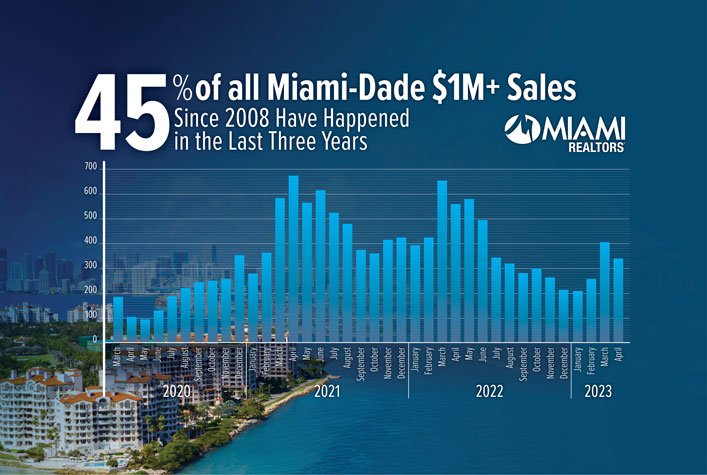
Miami’s luxury real estate market continues to demonstrate exceptional strength, defying broader economic headwinds and outpacing most major U.S. markets.
October 2025 Market Performance Data
Miami-Dade and Broward counties experienced their second consecutive robust month in October 2025, with buying luxury homes miami transactions ($1 million and above) increasing nearly 20% year-over-year in Miami-Dade. This growth occurred while many other markets experienced cooling or stagnation, highlighting South Florida’s unique position.
The luxury segment’s performance significantly outpaced the overall Miami real estate market, which showed more modest growth. This divergence illustrates the two-tier market phenomenon: luxury properties continue appreciating and selling briskly while mid-market and entry-level properties face more price sensitivity and longer days on market.
Year-Over-Year Growth Trends
The nearly 20% year-over-year increase in luxury home sales represents more than a single strong month—it reflects sustained momentum. Several factors contribute to this growth:
- Tax migration: High-net-worth individuals continue relocating from California, New York, Illinois, and other high-tax states to take advantage of Florida’s zero state income tax. For someone earning $5-10 million annually, the tax savings alone justify the move.
- International demand: South Florida remains the premier U.S. destination for Latin American buyers seeking political stability, quality education, and investment opportunities. Buyers from Brazil, Argentina, Colombia, Venezuela, and Mexico consistently drive luxury demand.
- All-cash strength: Miami’s position as America’s number one metro for all-cash sales demonstrates buyer financial strength. These transactions aren’t vulnerable to interest rate increases or lending standard tightening that affect financed purchases.
- Limited supply: Ultra-luxury inventory remains constrained. You can’t create more waterfront land on Biscayne Bay or build new homes in Gables Estates’ gated enclave. Scarcity drives competition among qualified buyers.
Ultra-Luxury Sales Projections
South Florida is projected to record 426 ultra-luxury ($10 million+) sales by year-end 2025, approaching the 2021 record of 444 sales. This near-record performance is remarkable given rising interest rates and economic uncertainty that typically suppress ultra-high-end transactions.
Notable recent ultra-luxury transactions include:
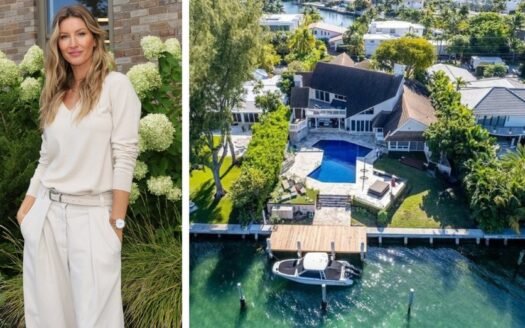
- The Weeknd’s nearly $55 million Gables Estates mansion purchase
- Nicole Martin’s $35 million Gables Estates acquisition
- Multiple $10-20 million waterfront estate sales across Miami Beach, Coconut Grove, and Coral Gables
These transactions demonstrate that ultra-high-net-worth buyers remain confident in Miami luxury property investment regardless of broader economic conditions.
The All-Cash Transaction Phenomenon
One of the most significant factors separating luxury markets from mid-market housing is the prevalence of all-cash purchases.
Why Cash Dominates Luxury Purchases
Miami leads the nation in all-cash real estate transactions, and this trend continues strengthening year-over-year. Several factors explain why luxury buyers prefer cash:
- Speed and certainty: Cash transactions close faster without financing contingencies, appraisal requirements, or lender delays. In competitive situations, cash offers win.
- Negotiating leverage: Cash buyers negotiate from strength. Sellers prefer certainty over slightly higher financed offers that might collapse during underwriting.
- Privacy: All-cash purchases through LLCs or trusts maintain buyer privacy. Financing requires personal financial disclosure that many high-net-worth individuals prefer to avoid.
- Investment flexibility: Cash purchases provide more options for future monetization. Owners can later place mortgages on properties for liquidity while maintaining ownership.
- No financing costs: Eliminating mortgage interest, origination fees, and ongoing financing costs saves millions over time on ultra-luxury properties.
Tax Advantages and Wealth Preservation
For buyers relocating from high-tax states, purchasing luxury real estate in Florida creates immediate tax benefits. Consider a California resident earning $10 million annually who pays 13.3% state income tax—$1.33 million per year. After three years, the tax savings alone ($3.99 million) could nearly cover a $4 million Miami Beach penthouse purchase.
Florida’s lack of state income tax combines with no estate tax or inheritance tax, making it attractive for generational wealth transfer and estate planning. Many ultra-high-net-worth families establish Florida residency specifically for these long-term tax advantages.
Investment Strategy Considerations
All-cash luxury purchases represent different investment strategies:
- Wealth preservation: Real estate provides inflation protection and portfolio diversification away from stock market volatility.
- Legacy assets: Waterfront estates and landmark properties serve as family compounds passed through generations.
- Lifestyle investments: Many luxury buyers prioritize enjoyment and utility over strict financial returns. A $15 million oceanfront estate might appreciate 3-4% annually while providing immeasurable lifestyle value.
- Opportunistic value: Cash buyers can move quickly on underpriced opportunities, distressed sales, or off-market deals that financed buyers can’t access.
What Drives Luxury Real Estate Demand
Understanding demand drivers helps buyers, sellers, and investors anticipate market movements and identify opportunities.
Tax Migration From High-Tax States
The migration of wealth from high-tax states to Florida represents one of the strongest tailwinds for Miami’s luxury market. The 2017 Tax Cuts and Jobs Act capped state and local tax (SALT) deductions at $10,000, dramatically increasing tax burdens for high earners in states like California, New York, New Jersey, and Illinois.
For a New York City resident in the highest tax bracket, combined federal, state, and city income taxes can exceed 50% of income. Moving to Florida eliminates the state portion entirely, creating enormous savings for high-income professionals, entrepreneurs, and retirees.
This isn’t just anecdotal—the data confirms it. Luxury home sales in Miami continue growing while comparable markets like Manhattan and San Francisco show stagnation or modest growth. Wealth is physically relocating, and real estate follows wealth.
International Buyer Influence
South Florida’s proximity to Latin America, combined with Miami’s position as the region’s financial and cultural capital, attracts continuous international investment. For buyers from countries experiencing political instability, currency volatility, or economic uncertainty, Miami real estate provides:
- U.S. dollar-denominated assets protected by strong property rights
- Geographic proximity allowing easy travel between home countries and Miami
- Quality international schools and universities
- Large expatriate communities providing cultural comfort
- Potential immigration pathways through investor visas
International buyers also appreciate Miami’s truly bilingual environment. Spanish fluency is common in luxury real estate, legal services, banking, and daily life—unique among major U.S. cities.
Lifestyle and Climate Factors
Beyond financial considerations, lifestyle drives luxury real estate decisions. Miami offers:
- Year-round tropical weather without extreme heat of desert markets
- Beach access, boating, and water sports
- World-class dining, arts, and entertainment
- Professional sports including Inter Miami FC, Miami Heat, Miami Dolphins
- No state income tax allowing more disposable income for lifestyle spending
- Vibrant social scene and cultural diversity
For buyers relocating from cold-weather cities, the climate alone justifies the move. Retirees particularly value never shoveling snow or enduring harsh winters again.
Business-Friendly Environment
Florida’s pro-business regulatory environment attracts entrepreneurs and executives. The state offers:
- No corporate income tax for many business structures
- Favorable legal environment for business formation
- Growing tech sector centered in Miami
- Strong infrastructure for international trade
- Reasonable cost of doing business compared to coastal markets
Many luxury home buyers are also business owners or executives who value Florida’s business climate as much as personal tax advantages.
Celebrity Purchases and Market Confidence
High-profile celebrity real estate transactions provide more than entertainment value—they serve as market confidence indicators.
High-Profile Transactions as Market Indicators
When global celebrities invest tens of millions in Miami real estate, it signals several important market factors:
- Market validation: Celebrities have access to the best advisors, market intelligence, and investment opportunities worldwide. Their choice to invest in Miami validates the market’s strength and future potential.
- Liquidity confidence: Ultra-wealthy buyers purchasing $50+ million properties believe they can eventually sell at similar or higher prices. These aren’t illiquid investments they expect to hold forever—they’re confident in market depth and future buyer demand.
- Lifestyle endorsement: Celebrity purchases market Miami’s lifestyle to their global audiences. When The Weeknd buys a $55 million Gables Estates mansion, millions of fans see Miami as the ultimate success destination.
The Influence of Notable Buyers
Recent celebrity purchases reinforce Miami’s position as the premier luxury destination:
- The Weeknd’s $55 million Gables Estates purchase demonstrates ultra-luxury waterfront demand
- David and Victoria Beckham’s $80 million “floating” mansion on Miami Beach’s North Bay Road shows continued high-end interest
- Jeff Bezos’s $147 million land assemblage on Indian Creek Island underscores the appeal of ultimate privacy and security
What Celebrity Purchases Signal to Investors
For investors, celebrity purchases are a strong signal that the market is not only stable but poised for continued growth. These buyers are not driven by short-term gains but by long-term wealth preservation and lifestyle enhancement, which underpins the market’s resilience.
Luxury Market Neighborhoods Worth Watching
Miami’s luxury market is highly localized. The right neighborhood is as important as the right property.
Gables Estates: Ultra-Luxury Waterfront Living
Gables Estates is arguably Miami’s most exclusive single-family home community, featuring:
- Gated, 24/7 guarded security
- Irreplaceable waterfront locations
- Direct bay access for vessels up to 150+ feet
- Average sale prices $10-50+ million
Recent sales like The Weeknd’s $55 million purchase and Nicole Martin’s $35 million acquisition demonstrate Gables Estates’ position at the apex of Miami’s luxury market. Limited inventory (homes rarely come to market) and irreplaceable waterfront locations ensure sustained demand.
Star Island: Billionaire’s Row
Star Island’s man-made island in Biscayne Bay between Miami Beach and downtown Miami has become synonymous with extreme wealth. The 86-home community attracts:
- International billionaires and celebrities
- Sports figures and entertainment industry leaders
- Waterfront estates with private docks
Coral Gables: Old-World Elegance Meets Modern Luxury
Coral Gables offers a blend of historic charm and modern luxury, particularly in areas like the Cocoplum and Snapper Creek Lakes communities. It appeals to buyers seeking larger lots, top-rated schools, and a more suburban feel while remaining close to Miami’s urban core.
Miami Beach: Oceanfront Premium Properties
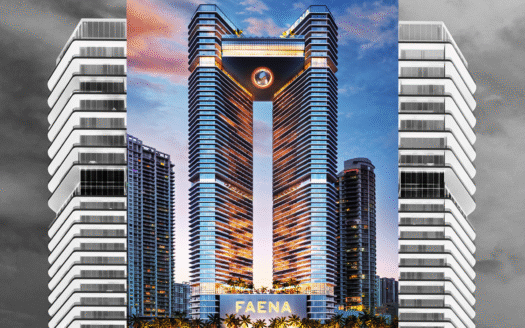
Miami Beach remains the premier destination for luxury condo living, with neighborhoods like South of Fifth (SoFi) and Mid-Beach offering ultra-exclusive oceanfront towers (e.g., Five Park, Eighty Seven Park, Faena House). The appeal is the direct beach access, world-class amenities, and walkability.
Coconut Grove: Tropical Luxury with Privacy
Coconut Grove attracts buyers seeking a bohemian, laid-back atmosphere with lush, tropical landscaping. It offers some of Miami’s most private and secure estates, often hidden behind dense foliage, appealing to those who value discretion.
Brickell: High-Rise Luxury Living
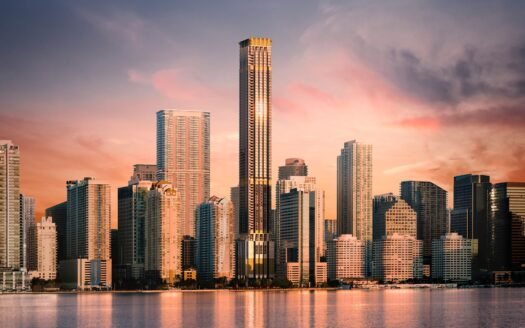
Brickell is Miami’s financial district and the epicenter of high-rise luxury condo living. It appeals to executives and young professionals who want a dense, urban, live-work-play environment with world-class dining and nightlife.
How Luxury Markets Weather Economic Uncertainty
Luxury real estate markets demonstrate resilience through economic cycles that surprise many observers.
Resilience Against Interest Rate Changes
While mid-market buyers face significant challenges when mortgage rates rise from 3% to 7%, luxury markets remain largely insulated. The high prevalence of all-cash transactions means interest rates affect only a small percentage of luxury buyers.
Even luxury buyers who choose to finance often use portfolio loans, private banking relationships, or unconventional financing structures not tied to conventional mortgage rates. A buyer purchasing a $10 million property might finance $3-4 million at negotiated terms through their private bank while maintaining liquidity for other investments.
This insulation from interest rate changes allows luxury markets to appreciate during periods when mid-market homes stagnate or decline.
Portfolio Diversification Benefits
High-net-worth individuals typically maintain diversified portfolios across:
- Equities and bonds
- Private equity and venture capital
- Real estate (residential and commercial)
- Alternative investments (art, collectibles, cryptocurrency)
- Cash and cash equivalents
Luxury real estate serves as a non-correlated asset class that doesn’t move in lockstep with stock markets. When equity markets decline, real estate often holds value or even appreciates, providing portfolio stability.
Additionally, luxury real estate offers utility value beyond financial returns. An oceanfront estate provides lifestyle benefits regardless of whether it appreciates 3% or 8% annually—benefits an equal investment in stocks or bonds cannot provide.
Wealth Preservation Through Real Estate
Ultra-high-net-worth families often view luxury real estate as multi-generational wealth preservation vehicles:
- Inflation hedge: Real estate generally keeps pace with or exceeds inflation, maintaining purchasing power across decades.
- Tangible asset: Unlike financial instruments that can evaporate (Enron, Lehman Brothers, FTX), real estate remains a physical asset with inherent utility value.
- Limited supply: Premium waterfront locations, historic estates, and landmark properties represent finite resources that cannot be replicated, supporting long-term value.
- Estate planning tool: Real estate transfers efficiently through trusts, family limited partnerships, and other structures that minimize estate taxes and provide control across generations.
Investment Considerations for Luxury Property Buyers
Purchasing luxury real estate requires different analysis than mid-market property investment.
Appreciation Potential vs Income Generation
Most luxury real estate buyers prioritize appreciation over rental income. Ultra-luxury properties ($10 million+) rarely generate meaningful rental returns relative to purchase price. A $20 million estate might rent for $50,000-100,000 monthly in peak season—impressive in absolute terms but representing only 3-6% annual gross yield before expenses.
Instead, luxury buyers typically seek:
- Capital appreciation: 3-7% annual appreciation in prime locations
- Lifestyle value: Personal use and enjoyment
- Tax advantages: Property tax deductions, depreciation benefits for investment properties
- Portfolio diversification: Non-correlated asset class
Buyers seeking income-focused real estate investment typically target commercial properties, multi-family developments, or mid-market residential rentals with higher yield potential.
Liquidity and Holding Period Expectations
Luxury real estate is relatively illiquid compared to stocks or bonds. Expect:
- 6-18 month sales timelines for properties over $5 million
- 12-24+ months for ultra-luxury properties over $10 million
- High transaction costs including 5-6% broker commissions, transfer taxes, legal fees
Luxury real estate suits buyers with:
- Long investment horizons (5-10+ years minimum)
- Adequate liquidity in other assets for unexpected expenses
- No forced-sale scenarios requiring quick liquidity
- Patient capital willing to wait for the right buyer at full price
Short-term speculators and fix-and-flip investors generally avoid ultra-luxury markets due to long hold times and high transaction costs.
Tax Implications and Estate Planning
Luxury real estate purchases involve complex tax considerations:
- Primary residence benefits: Up to $500,000 of capital gains excluded for married couples on primary residence sales (if owned 2+ years). Establishes state residency for income tax purposes.
- Investment property rules: Rental properties allow depreciation deductions, expense deductions, and 1031 exchange tax deferral on sales. However, personal use limits these benefits.
- Estate tax exposure: Estates exceeding $13.61 million (2024 threshold, indexed annually) face 40% federal estate tax. Real estate in estates requires professional valuation and planning.
- Foreign buyer considerations: Non-U.S. citizens face FIRPTA withholding (15% of sale price), estate tax on U.S. real estate, and specific structuring requirements.
Work with tax attorneys and CPAs specializing in luxury real estate before purchasing to optimize structure and minimize tax liability.
Due Diligence for High-End Purchases
The stakes are higher in luxury real estate, demanding meticulous due diligence.
Common Mistakes Luxury Buyers Make
- Overlooking Total Cost of Ownership: Underestimating property taxes, insurance, and maintenance costs for large estates.
- Ignoring Neighborhood Trajectory: Failing to research future development plans or zoning changes that could impact privacy or views.
- Underestimating Timeline to Sale: Expecting a quick sale when the time comes to exit the investment.
- Skipping Professional Representation: Relying on an agent without deep, proven experience in the specific ultra-luxury neighborhood.
How to Enter the Luxury Real Estate Market
- Financial Preparation and Qualification: Ensure funds are liquid and verifiable, as sellers demand proof of funds before serious negotiations begin.
- Building Your Luxury Property Team: Assemble a team including a top luxury real estate agent, a real estate attorney, and a tax advisor.
- Market Research and Timing Strategies: Understand seasonal trends and inventory levels for your target neighborhood.
Negotiation Dynamics in High-End Transactions
Negotiations are often less about the final price and more about terms, including closing timelines, contingencies, and the inclusion of furnishings or art. A skilled luxury agent is critical for navigating these complex dynamics.
Work With a Luxury Real Estate Specialist
The Miami luxury market is complex and moves quickly. Working with a specialist who understands the nuances of ultra-luxury neighborhoods, all-cash transactions, and international buyer needs is the single most important factor for success.
Ready to Invest in Miami’s Luxury Market?
Whether you’re looking for a primary residence, a strategic investment, or a multi-unit compound, we specialize in Miami’s most exclusive properties.