
Florida Condo Budget Law 2025: SIRS Requirements Explained
Florida’s condo market has fundamentally transformed following the passage of Senate Bill 4-D and subsequent legislation establishing mandatory structural integrity reserve studies and reserve funding requirements. These laws, enacted after the tragic 2021 Surfside building collapse, require condominium associations to conduct comprehensive assessments of structural components and maintain fully funded reserves for future repairs.
For Miami-Dade and Broward County condo buyers, sellers, owners, and investors, understanding SIRS (Structural Integrity Reserve Study) requirements is no longer optional—it’s essential for making informed real estate decisions in a market where HOA fees have surged nearly 60% since 2019 and special assessments reaching six figures have shocked owners unprepared for the new financial reality.
This comprehensive guide explains what SIRS actually requires, how it impacts monthly costs and property values, what buyers must evaluate before purchasing, and strategic considerations for current owners navigating Florida’s new condo regulatory environment.
Why Florida Changed Condo Reserve Laws After Surfside
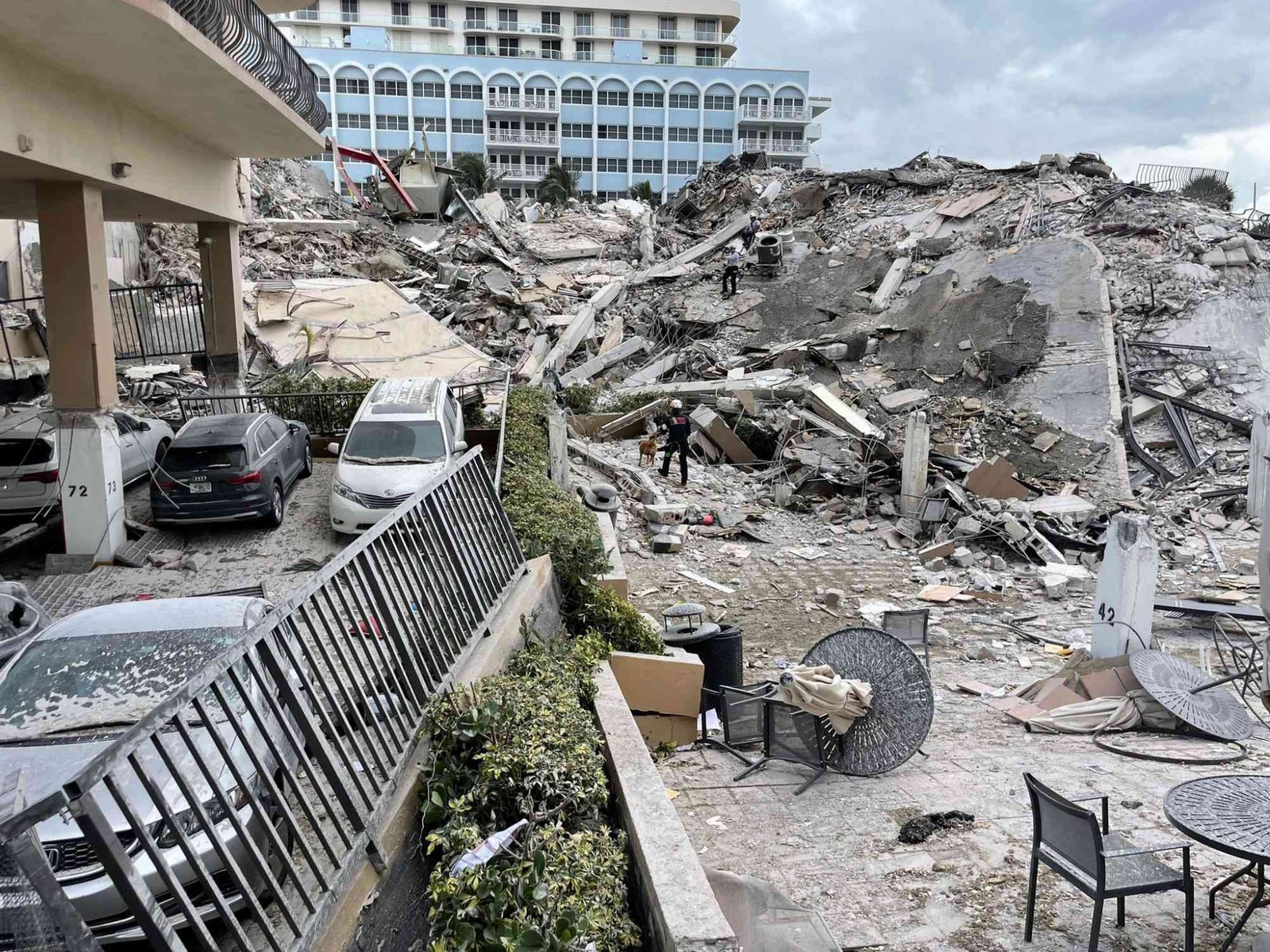
On June 24, 2021, Champlain Towers South—a 12-story condominium building in Surfside, Florida—experienced a catastrophic structural failure that killed 98 people. The collapse revealed systemic issues in how Florida condominium associations managed building maintenance, funded reserves, and conducted structural inspections.
Investigations following the disaster exposed critical failures including deferred maintenance spanning decades, inadequate reserve funding despite visible structural deterioration, lack of mandatory structural inspections for aging buildings, insufficient oversight of condominium association financial management, and unit owner votes to waive or underfund reserve contributions for major repairs.
In response, Florida’s legislature passed Senate Bill 4-D in May 2022, establishing comprehensive new requirements for structural integrity assessments, reserve funding, and building safety oversight. The legislation was further refined through Senate Bill 154 (2023) and House Bill 913 (2025), which provided clarifications, extended deadlines, and added flexibility while maintaining the core mandate: condominiums must adequately fund reserves for structural repairs and can no longer defer maintenance that could compromise building safety.
These laws represent the most significant change to Florida condominium regulation in decades, fundamentally altering the economics of condo ownership across the state. While the safety intentions are universally supported, the financial implications have created substantial challenges for owners—particularly retirees on fixed incomes and buyers unprepared for dramatically higher monthly costs.
What SIRS Actually Requires: The Eight Mandatory Components
A Structural Integrity Reserve Study (SIRS) is a comprehensive evaluation of a condominium building’s critical structural components, conducted by licensed professionals to determine the condition, remaining useful life, and estimated replacement or repair costs for systems essential to structural integrity and safety.
Buildings Subject to SIRS Requirements
SIRS requirements apply to condominium and cooperative associations with buildings containing three or more habitable stories. The term “habitable stories” is crucial—it refers to floors intended for human occupancy, excluding uninhabitable spaces like parking garages, storage areas, or mechanical rooms not regularly occupied.
A building with two residential floors above a parking garage qualifies as having three habitable stories if the parking level includes habitable spaces like a lobby, offices, or amenity rooms. However, a two-story residential building over an open parking structure would not trigger the SIRS requirement because the parking level lacks habitable space. The “three habitable stories” threshold means most mid-rise and high-rise condominiums in Miami-Dade and Broward Counties fall under SIRS requirements, while low-rise townhome-style developments with fewer than three habitable stories are exempt. Four-family dwellings with three or fewer habitable stories also receive a narrow statutory exemption.
For buildings subject to SIRS, the requirement applies to each building on the condominium property. A large condominium complex with multiple towers must conduct separate SIRS assessments for each qualifying building, significantly increasing costs for associations managing multiple structures.
December 31, 2025 Compliance Deadline
Under House Bill 913 (effective July 1, 2025), condominium and cooperative associations existing on or before July 2, 2022, and controlled by unit owners (not developers) must complete their initial SIRS by December 31, 2025. This deadline extension from the original December 31, 2024 target provides associations additional time to secure qualified professionals and complete assessments.
Associations required to complete a milestone inspection (a separate building safety inspection required for buildings 30+ years old) on or before December 31, 2026 may complete the SIRS simultaneously with the milestone inspection, with a deadline of December 31, 2026 for both assessments.
Any budget adopted on or after December 31, 2025 must incorporate SIRS-based reserve funding. This means associations must complete their SIRS before the end of 2025 to ensure 2026 budgets reflect proper reserve allocations. Associations that fail to complete SIRS by the deadline face penalties including fines from Florida’s Division of Condominiums, Timeshares and Mobile Homes, potential personal liability for board members who fail to fulfill fiduciary responsibilities, legal challenges from unit owners regarding non-compliance, and difficulty selling units when sellers cannot provide required SIRS documentation.
Once completed, SIRS must be updated at least every 10 years to ensure assessments remain current and reflect the building’s evolving condition. This creates an ongoing obligation for associations to maintain updated structural evaluations and adjust reserve funding as conditions change.
Who Can Perform a SIRS Assessment
Florida law specifies that SIRS assessments, including the visual inspection portion, must be performed or verified by qualified professionals including an engineer licensed under Chapter 471 (Florida Statutes), an architect licensed under Chapter 481, or a person certified as a reserve specialist or professional reserve analyst by the Community Associations Institute or the Association of Professional Reserve Analysts.
The visual inspection component—examining the physical condition of structural components—must be conducted by licensed engineers or architects. Reserve specialists or professional reserve analysts can assist with financial modeling and reserve funding calculations but cannot independently perform the structural assessment without engineer or architect involvement.
Typical SIRS completion timelines range from 30-45 days from the site inspection, depending on building size and complexity. Costs for SIRS assessments vary substantially based on building height, square footage, number of units, complexity of structural systems, and accessibility for inspections. Industry estimates suggest SIRS costs between $50,000-$100,000 for typical mid-rise condominiums, with larger or more complex buildings potentially exceeding $150,000.
Associations should obtain multiple proposals from qualified firms, verify professional credentials and Florida licensure, review sample SIRS reports to assess quality and thoroughness, and confirm understanding of updated HB 913 requirements. The cheapest option is rarely the best choice when the assessment will guide reserve funding decisions affecting millions of dollars over decades.
The Eight Structural Components That Must Be Evaluated
Florida law requires SIRS to evaluate eight specific building components that directly impact structural integrity. These mandatory components must be assessed regardless of current condition or recent maintenance history.
- Roof Systems: Assessment must include the entire roofing system—not just surface materials. This encompasses roof decking, structural supports, drainage systems, flashing, and rooftop equipment mounting structures. The evaluation considers weather resistance, load capacity, and interconnections between roofing and structural elements. For Miami buildings, hurricane readiness and wind uplift resistance are critical assessment factors.
- Structure (Load-Bearing Walls and Primary Structural Members): This component covers the building’s skeletal framework including load-bearing walls, columns, beams, floor slabs, and primary structural supports. Engineers evaluate for cracking, spalling concrete, exposed or corroded rebar, structural movement or settlement, and load-carrying capacity degradation. This is often the most critical and expensive component requiring future repair.
- Foundation: Foundation assessment examines the building’s base support systems including piles, footings, grade beams, and foundation walls. Engineers look for settlement, cracking, water intrusion, soil erosion around foundation elements, and structural movement indicators. Waterfront properties in Miami face particular foundation challenges from tidal action and saltwater exposure.
- Fireproofing and Fire Protection Systems: This includes passive fireproofing materials on structural elements, fire-rated assemblies and compartmentation, sprinkler systems and fire suppression equipment, fire alarm and detection systems, and emergency lighting and egress systems. Code compliance for current life safety standards is evaluated even if systems met requirements when originally installed.
- Plumbing (Serving Common Elements): Plumbing assessment covers water supply lines, drain and waste systems, sewer connections, domestic water heaters serving common areas, and pool and spa plumbing systems. In older Miami buildings, corroded galvanized pipes and cast iron drain lines frequently require expensive replacement.
- Electrical Systems (Serving Common Elements): Electrical evaluation includes main service panels and distribution equipment, branch circuit wiring in common areas, emergency power systems and generators, exterior lighting systems, elevator electrical components, and fire alarm system electrical infrastructure. Buildings with aluminum wiring or outdated electrical panels face substantial upgrade costs.
- Waterproofing and Exterior Painting: This component examines building envelope waterproofing including exterior walls, balconies, terraces, and below-grade waterproofing, painting and coating systems protecting structural elements, expansion joints and sealants, and window and door assemblies affecting water intrusion. Miami’s salt air and tropical climate accelerate deterioration, making this a recurring major expense.
- Windows and Doors (Common Elements): Assessment covers exterior windows and doors in common areas, hurricane impact-resistant glazing compliance, seals and weatherstripping, and hardware and operating mechanisms. Florida’s increasingly stringent hurricane code requirements often force expensive window replacements when existing systems don’t meet current standards.
In addition to these eight mandatory components, SIRS must evaluate any other element with a replacement cost or deferred maintenance expense exceeding $25,000 (adjusted annually for inflation) whose failure to replace or maintain could negatively affect the structural integrity of the eight mandatory components. This threshold increased from $10,000 under HB 913, reducing the number of minor items requiring formal SIRS inclusion.
How SIRS Impacts HOA Fees and Monthly Condo Costs
SIRS requirements fundamentally change condominium financial management by mandating reserve funding that can no longer be waived or reduced by unit owner votes. This creates immediate and sustained impacts on monthly HOA fees and one-time special assessments.
Miami-Dade HOA Fees Rose 59% Since 2019
Miami-Dade County’s median monthly condo association fee reached $900 during Q2 2024—a 59% increase from the $567 median fee in Q2 2019. This dramatic escalation reflects multiple factors including SIRS-mandated reserve funding, skyrocketing insurance costs following hurricane losses, inflation-driven increases in maintenance and utility costs, and deferred maintenance from years of inadequate reserve funding.
While SIRS requirements didn’t take effect until 2024-2025, the Surfside collapse and subsequent legislation prompted many associations to proactively increase reserves even before mandatory compliance. Associations that delayed reserve funding until the legal deadline now face even steeper increases as they compress necessary funding into shorter timeframes.
Geographic variations exist across South Florida. Miami’s median HOA fees of $835 monthly (as of 2024) exceed most Florida markets, reflecting the region’s concentration of luxury high-rise buildings with extensive amenities. Fort Lauderdale and West Palm Beach median fees range from $600-750 monthly, while smaller markets like Jacksonville average $400-550 monthly.
Broward County median HOA fees increased 44% over similar periods, while Palm Beach County saw 38% increases. The tri-county area of Miami-Dade, Broward, and Palm Beach contains approximately 12,925 condominium associations—about 26% of Florida’s 50,000 total condo associations—meaning South Florida bears disproportionate impact from the new requirements.
Why Reserve Funding Can No Longer Be Waived
Prior to SIRS legislation, Florida condo associations could vote to waive or reduce reserve funding for any component. This created a perverse incentive where unit owners, seeking to minimize monthly fees, would vote to defer reserve contributions even when buildings clearly needed future major repairs.
The predictable result: associations reached the point of necessary repairs with inadequate reserves, forcing massive special assessments that shocked owners unprepared for five- or six-figure bills. The Surfside building had documented structural issues for years but lacked a fully funded reserve account to pay for the necessary repairs.
SIRS legislation eliminates the ability to waive or reduce reserve funding for the eight mandatory structural components. This ensures that associations collect the necessary funds over time to pay for future repairs without resorting to massive special assessments. While this results in higher monthly HOA fees, it provides financial stability and predictability for owners and buyers.
Special Assessments: Real Examples from Miami Buildings
The transition to fully funded reserves has already resulted in substantial special assessments across South Florida. These assessments are necessary to fund immediate repairs identified by SIRS or to rapidly build up reserves to the mandated level.
- The Cricket Club (North Miami): Residents received special assessments as high as $134,000 per unit in 2024 to address structural repairs and build adequate reserves. The assessments were necessary due to years of deferred maintenance and inadequate reserve funding in the older building.
- Mediterranean Village (Aventura): Some owners faced assessments up to $400,000 per unit—likely the highest individual assessments reported in South Florida. The assessments funded extensive concrete restoration, waterproofing repairs, and reserve funding to reach SIRS-mandated levels.
- Pompano Point Tower (Fort Lauderdale): The community approved a $3 million assessment for roof replacement, splitting nearly $11,000 per unit among 273 owners. While this represents a more typical assessment level, it still creates substantial financial strain for owners who hadn’t budgeted for such expenses.
Monthly Fee Increases vs. One-Time Assessments
The new laws favor higher, sustained monthly fees over unpredictable special assessments. While a $100-$300 increase in monthly HOA fees is painful, it is far more manageable than a $50,000-$100,000 lump-sum special assessment. The goal of SIRS is to normalize the cost of maintenance over the life of the building, making condo ownership more financially transparent and stable.

What Condo Buyers Must Know Before Purchasing
SIRS requirements have shifted the burden of due diligence onto the buyer. A thorough review of a building’s SIRS report and financial health is now as critical as a home inspection.
Review SIRS Reports and Reserve Studies
Buyers must request and thoroughly review the building’s most recent SIRS report and reserve study. These documents provide a roadmap of the building’s structural health and future financial obligations. Key questions to ask:
- When was the last SIRS completed, and when is the next one due?
- What is the estimated cost and timeline for the next major repair (e.g., concrete restoration, roof replacement)?
- Is the association fully funding the SIRS-mandated reserves?
- Are there any current or pending special assessments?
Red Flags in Financial Statements
Financial red flags include: low reserve balances (less than 70% funded), recent votes to waive reserves (prior to the law change), high percentage of delinquent unit owners, and a history of frequent special assessments. These indicators suggest the building has deferred maintenance and the buyer may face significant costs soon after closing.
Questions to Ask Sellers and HOA Boards
Buyers should ask direct questions to the seller and the HOA board:
- Has the building passed its Milestone Inspection (if applicable)?
- What is the current reserve balance for the eight mandatory components?
- Are there any known structural issues not yet addressed by the board?
- What is the projected HOA fee increase for the next 3-5 years?
Financing Challenges for Buildings with Deferred Maintenance
Lenders, particularly Fannie Mae and Freddie Mac, have tightened lending requirements for condominiums. Buildings with significant deferred maintenance, pending special assessments, or inadequate reserves may be deemed “non-warrantable,” making it difficult or impossible for buyers to secure conventional financing. This can severely limit the pool of potential buyers and depress property values.
Strategic Considerations for Current Condo Owners
Current owners must be proactive in understanding their building’s compliance status and planning for the financial impact of SIRS.
Understanding Your Building’s Compliance Status
Owners should demand transparency from their HOA board regarding the SIRS completion status and the plan for achieving full reserve funding by the December 31, 2025 deadline. Non-compliance exposes the association and potentially individual board members to liability.
Planning for Upcoming Assessments
Owners should prepare for either a significant increase in monthly HOA fees or a large special assessment to cover the cost of immediate repairs and reserve funding. Options for funding a special assessment include: using personal savings, obtaining a home equity line of credit (HELOC), or seeking association financing (where the association takes out a loan and passes the cost to owners over time).
When to Sell vs. When to Stay
Owners in non-compliant buildings or those facing massive assessments must weigh the cost of the assessment against the potential loss in property value if they sell before the issues are resolved. Often, paying the assessment and waiting for the building to become compliant results in a higher sale price, as compliant buildings command a premium.
Payment Options for Large Special Assessments
Associations typically offer payment plans for large assessments (e.g., 12-60 months). Owners should evaluate the interest rate charged by the association versus the interest rate on a personal loan or HELOC to determine the most cost-effective payment method.
How Sellers Should Prepare for SIRS Disclosures
SIRS has created new mandatory disclosure requirements that sellers must navigate carefully.
Mandatory Document Provisions to Buyers
Sellers are legally required to provide buyers with copies of the most recent SIRS report, reserve study, and any notice of special assessments. Failure to provide these documents can result in the buyer voiding the contract.
Impact on Property Marketability
A building that is fully compliant with SIRS and has fully funded reserves is significantly more marketable and commands a higher price than a non-compliant building. Sellers in non-compliant buildings must be prepared to accept lower offers or offer credits to cover the buyer’s anticipated assessment costs.
Pricing Strategy for Non-Compliant Buildings
For non-compliant buildings, the pricing strategy must factor in the anticipated cost of the assessment. The sale price should be discounted by at least the amount of the assessment, plus a premium to compensate the buyer for the risk and inconvenience of dealing with the assessment post-closing.
Red Flags When Evaluating Miami Condos in 2025
Buyers should be highly cautious of the following red flags:
- Buildings Over 30 Years Old: These buildings are subject to the separate Milestone Inspection requirement and are more likely to have deferred maintenance, inadequate reserves, and increased likelihood of concrete deterioration in South Florida’s corrosive environment. This doesn’t mean avoiding all older buildings—many are well-maintained and have adequately funded reserves. However, older buildings require more thorough due diligence around structural condition, recent major repairs, reserve adequacy, and compliance status.
- Low Reserve Balances: Any building with reserves funded below 70% of the SIRS-mandated level should be viewed with extreme caution.
- Deferred Maintenance Indicators: Visible signs of spalling concrete, cracked stucco, or water intrusion are immediate red flags that the association has failed to maintain the building properly.
- Recent or Upcoming Milestone Inspections: While the inspection itself is mandatory, a pending or recently failed inspection signals that major structural work may be imminent.
Long-Term Market Implications for Florida Condos
The long-term impact of SIRS is expected to be positive, leading to a more stable and financially sound condominium market.
Price Differentiation Between Compliant and Non-Compliant Buildings
The market will increasingly differentiate between compliant and non-compliant buildings. Compliant buildings will command a premium, while non-compliant buildings will trade at a discount until they resolve their structural and financial issues.
Geographic Patterns: Miami-Dade vs. Broward vs. West Florida
The impact is most pronounced in Miami-Dade and Broward counties due to the concentration of older, high-rise buildings. West Florida markets, with fewer high-rises, will see less dramatic immediate impact but will still be subject to the same long-term compliance requirements.
New Construction Premium Over Older Inventory
New construction will continue to command a premium as buyers seek buildings that are fully compliant, have modern building codes, and are years away from the first major structural assessment. This trend will likely widen the price gap between new and older inventory.
Ready to Invest in Miami’s Luxury Market?
Whether you are seeking a primary residence, a strategic investment, or a multi-unit compound, our team specializes in navigating the exclusive South Florida luxury real estate market. Contact us today for confidential, expert guidance.