

Living in Fort Lauderdale: Ultimate Downtown, Waterfront & Investment Guide (2025)
Living in Fort Lauderdale offers a distinctive South Florida lifestyle that balances urban sophistication with world-class boating culture. Known as the “Yachting Capital of the World,” this Broward County city delivers more than 300 miles of navigable waterways, a growing downtown skyline along the New River, and Fort Lauderdale Beach’s oceanfront ambiance—all within minutes of Fort Lauderdale-Hollywood International Airport and connected to Miami via Brightline high-speed rail.
Fort Lauderdale’s real estate diversity accommodates varied lifestyles and investment strategies. Urban professionals choose downtown condos in Flagler Village or along Las Olas Boulevard for walkable access to dining, entertainment, and Brightline connectivity. Boating enthusiasts invest in deepwater estates throughout Las Olas Isles, Harbor Beach, Coral Ridge, and Bay Colony where private docks accommodate yachts and direct ocean access. Families settle in historic neighborhoods like Victoria Park and Rio Vista for tree-lined streets, architectural character, and proximity to beaches and top-rated schools. Investors leverage the city’s vacation rental-friendly regulations to generate income from properties in designated zones.
This comprehensive guide explores everything about living in Fort Lauderdale—real estate markets across neighborhoods, lifestyle and community character, beaches and boating culture, transportation advantages including Brightline and FLL airport access, investment opportunities with short-term rental licensing, and honest assessments to help you determine if Fort Lauderdale matches your South Florida vision.
Table of Contents
- Location & Geography
- Getting Around: Walkability & Transit
- Lifestyle & Culture
- Real Estate Market by Neighborhood
- Beaches & Boating
- Dining & Entertainment
- Schools & Education
- Investment & Short-Term Rentals
- Pros & Cons of Living in Fort Lauderdale
- Who Should Live in Fort Lauderdale?
- Conclusion
- Frequently Asked Questions
Fort Lauderdale Quick Facts
Location & Geography
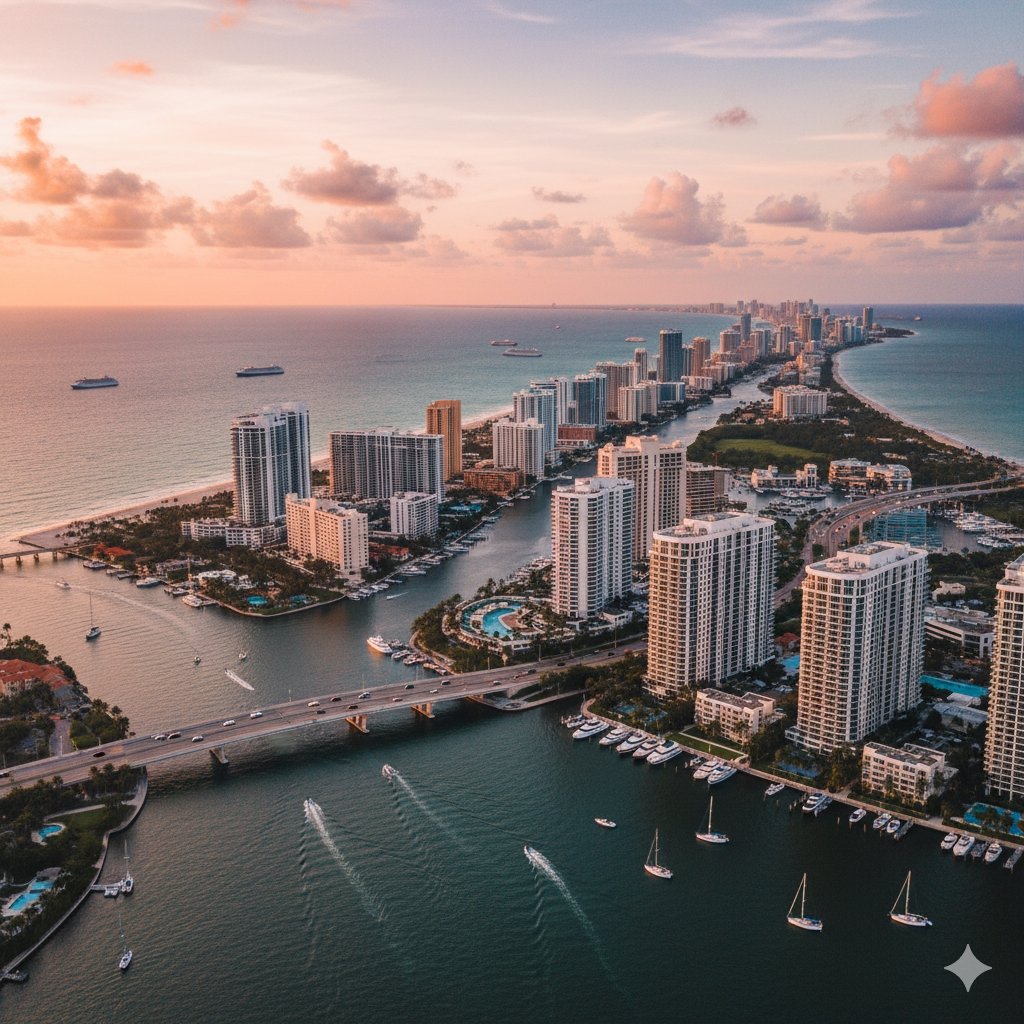
Fort Lauderdale occupies approximately 38 square miles along Broward County’s Atlantic coast, roughly 30 miles north of downtown Miami. The New River bisects the city east-west, creating natural divisions between northern and southern neighborhoods. The Intracoastal Waterway runs parallel to the ocean, separating mainland neighborhoods from barrier island beach communities.
The city’s strategic position between Miami and Palm Beach counties creates connectivity advantages. Brickell and downtown Miami sit 35-55 minutes south by car (traffic-dependent) or approximately 35-45 minutes via Brightline high-speed rail. Boca Raton and Delray Beach lie 20-35 minutes north, while West Palm Beach reaches within 45-60 minutes. This central Broward positioning makes Fort Lauderdale practical for professionals working throughout the tri-county area.
Unlike Miami-Dade’s sprawling geography requiring extended drives between neighborhoods, Fort Lauderdale’s compact urban core concentrates amenities within smaller distances. Downtown, Las Olas, Flagler Village, Victoria Park, and the beach cluster within 5-15 minutes of each other, creating neighborhood interconnectivity that enhances daily life.
The waterways define Fort Lauderdale’s character and real estate premiums. Properties with deepwater canal access and no fixed bridges to the ocean command substantial premiums—sometimes double or triple the value of comparable non-waterfront homes. Boat owners prioritize neighborhoods like Las Olas Isles, Harbor Beach, and Coral Ridge where canal depth accommodates large yachts and bridge-free routes enable ocean access without height restrictions.
The beach barrier island extends several miles, hosting both public Fort Lauderdale Beach with hotels and restaurants, plus residential sections with condominiums and single-family homes. The beach’s proximity to downtown (5-12 minutes) creates unusual convenience—residents enjoy oceanfront recreation while maintaining quick access to urban employment and amenities.
Getting Around: Walkability & Transit in Fort Lauderdale
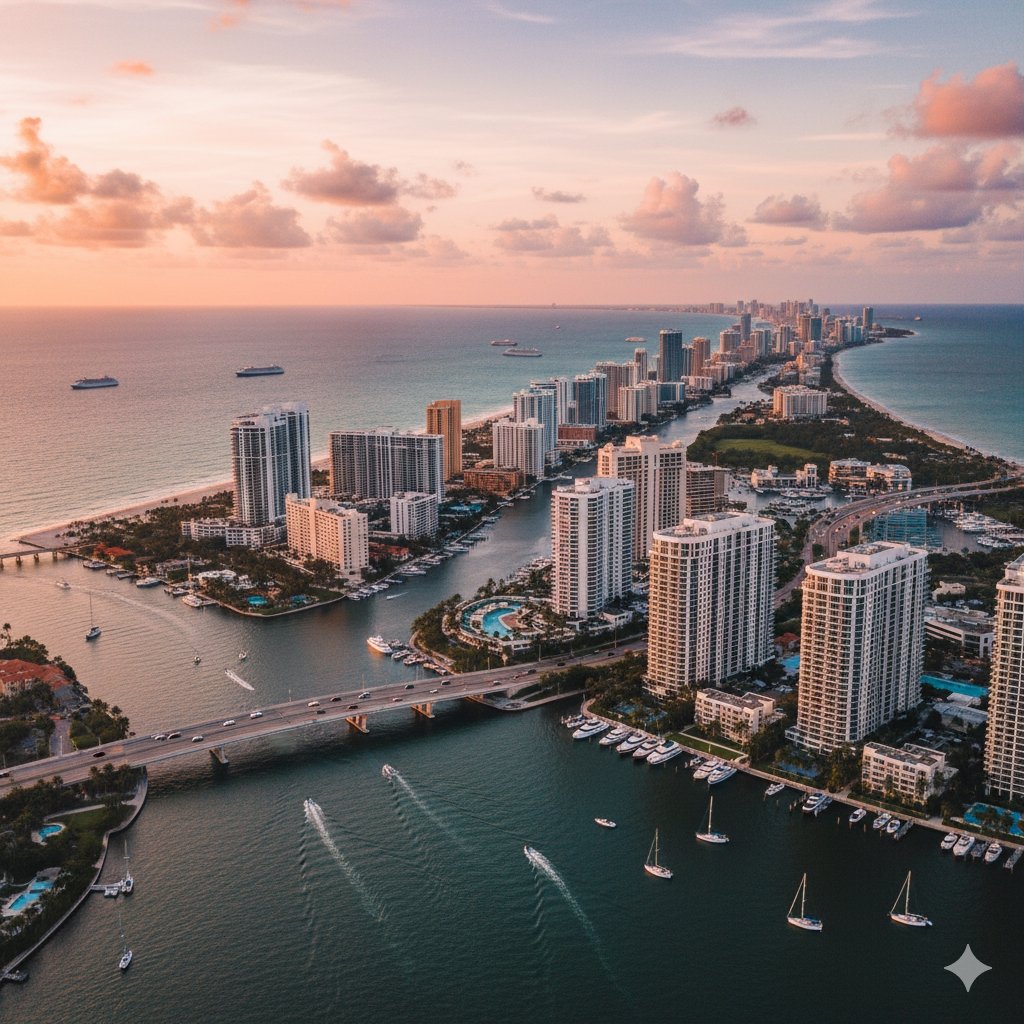
Walkability in Fort Lauderdale varies dramatically by neighborhood. Downtown, Las Olas Boulevard, and Flagler Village deliver pedestrian-friendly environments where residents walk to restaurants, shops, cultural venues, and waterfront parks. Las Olas Boulevard's commercial corridor concentrates galleries, boutiques, cafés, and dining within a walkable mile, creating genuine main street character rare in car-dependent South Florida.
Flagler Village has evolved into Fort Lauderdale's arts and loft district, with converted warehouses, new apartment towers, coffee shops, breweries, and creative spaces clustered within walkable blocks. The neighborhood appeals to younger professionals and artists seeking urban density with lower costs than downtown Miami's Brickell or Edgewater.
Victoria Park and Rio Vista offer neighborhood walkability—tree-lined streets with sidewalks support morning runs, dog walks, and cycling to nearby parks—though car dependency remains for most errands beyond the immediate neighborhood. These historic districts prioritize residential character over commercial density, creating quiet streets perfect for families but requiring drives to grocery stores and services.
The Riverwalk linear park along the New River provides pedestrian and cycling paths connecting downtown districts, cultural venues (including NSU Art Museum Fort Lauderdale), and waterfront restaurants. This infrastructure encourages non-motorized transportation and outdoor recreation integrated into daily routines.
Water Taxi & Unique Transit
Water Taxi represents Fort Lauderdale's unique micro-transit option. This boat service operates along the New River and Intracoastal Waterway, connecting downtown, Las Olas, beach hotels, restaurants, and shopping destinations via water. Residents and tourists use Water Taxi for dining trips, bar crawls, and avoiding parking challenges—transforming the waterways into functional transportation corridors.
Brightline High-Speed Rail
Brightline high-speed rail at the downtown Fort Lauderdale station revolutionized regional connectivity. The service enables car-free travel to Miami (MiamiCentral downtown station and Aventura) in approximately 35-45 minutes, plus northbound connections to Boca Raton, West Palm Beach, and Orlando. Professionals living in Fort Lauderdale can work in Miami without enduring I-95 traffic, while residents enjoy day trips and events throughout the corridor without vehicle stress.
Tri-Rail commuter rail serves Fort Lauderdale with connections throughout Broward, Miami-Dade, and Palm Beach counties, providing budget-friendly transit alternatives for longer commutes.
Car ownership remains practical for most Fort Lauderdale residents despite improving walkability and transit. Reaching beach neighborhoods requires crossing bridges, accessing western suburbs necessitates driving, and suburban shopping centers like the Galleria area remain car-dependent. However, the combination of walkable downtown, Brightline service, and Water Taxi reduces daily vehicle miles compared to purely suburban alternatives like Weston or Pembroke Pines.
Commute Times & Highway Access
Fort Lauderdale's highway network provides connectivity throughout South Florida. Major routes include I-95 (primary north-south interstate linking Miami, Fort Lauderdale, and Palm Beach County), I-595 (east-west connection from FLL airport to western suburbs and Sawgrass Expressway), US-1/Federal Highway (north-south surface route through downtown), A1A (scenic coastal highway along beach communities), and Broward Boulevard and Sunrise Boulevard (major east-west arterials).
Typical non-rush commute times from Fort Lauderdale include Fort Lauderdale-Hollywood International Airport (FLL) at 10-15 minutes, Fort Lauderdale Beach at 5-12 minutes from downtown, Downtown Miami via I-95 at 35-55 minutes (highly traffic-dependent), Downtown Miami via Brightline at 35-45 minutes (predictable), Brickell at 40-60 minutes by car (traffic-dependent), Boca Raton and Delray Beach at 20-35 minutes, West Palm Beach at 45-60 minutes, and Aventura at 25-35 minutes.
Rush hour significantly impacts I-95 travel, with morning southbound traffic toward Miami adding 30-60+ minutes and afternoon northbound returns experiencing similar congestion. Professionals commuting to Miami should consider Brightline as a viable alternative, transforming commute time into productive work hours while avoiding traffic stress.
The airport proximity benefits frequent travelers, with FLL accessible within 10-15 minutes from most Fort Lauderdale neighborhoods. This convenience, combined with Port Everglades cruise terminal and Brightline regional rail, positions Fort Lauderdale as South Florida's most transportation-connected residential market.
Lifestyle & Culture
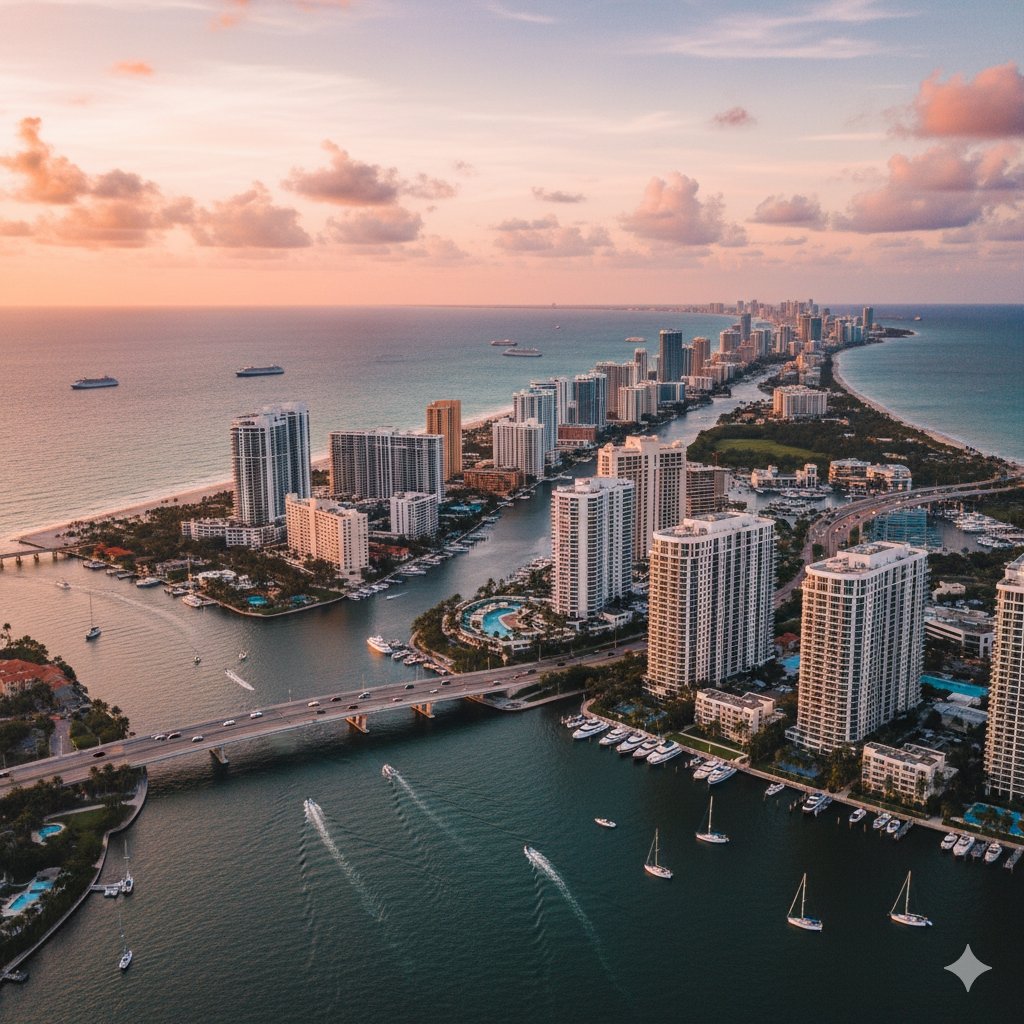
Living in Fort Lauderdale means embracing coastal urban living with strong outdoor and boating culture. The city attracts diverse demographics—young professionals in downtown condos, yacht owners in waterfront estates, families in historic neighborhoods, and retirees seeking beachside living without Miami Beach's intensity or pricing.
Downtown & Las Olas: Urban Energy
Las Olas Boulevard functions as Fort Lauderdale's cultural and entertainment spine. This east-west corridor hosts boutique shops, art galleries, sidewalk cafés, upscale dining, and nightlife venues creating a pedestrian-oriented main street. Weekend evenings bring crowds strolling the boulevard, dining al fresco, and bar-hopping between venues.
The downtown transformation since 2010 added luxury condominium towers, corporate offices, hotels, and mixed-use developments creating vertical density. Young professionals and empty-nesters choose downtown for walkability, Brightline access, waterfront dining along the New River, and urban convenience without Miami's intensity.
Flagler Village's arts district character attracts creatives and entrepreneurs. Converted warehouses host galleries, studios, craft breweries, coffee roasters, and innovative restaurants. Monthly art walks, food truck rallies, and community events foster neighborhood identity distinct from corporate downtown or tourist beach areas.
Boating & Yachting Culture
Fort Lauderdale's identity as the "Yachting Capital of the World" isn't marketing hyperbole—the city's 300+ miles of navigable waterways, deepwater dockage, marine services, and yacht brokerage industry create unmatched boating infrastructure. Residents with waterfront homes dock boats at private docks, cruise to waterfront restaurants for dinner, access the Atlantic Ocean for fishing and diving, and participate in yacht club social networks.
The annual Fort Lauderdale International Boat Show (FLIBS) ranks as the world's largest in-water boat show, attracting global marine industry participants, yacht manufacturers, and boating enthusiasts. The week-long event transforms the city into a maritime showcase, with mega-yachts lining the Intracoastal and New River.
Marina infrastructure throughout the city supports transient and permanent dockage. Neighborhoods with no-fixed-bridge ocean access—Las Olas Isles, Harbor Beach, Coral Ridge—command premium pricing for unrestricted vessel access. Serious mariners prioritize these areas when purchasing waterfront estates.
Community Character
Fort Lauderdale maintains more relaxed, approachable character compared to Miami's international intensity. The city attracts families seeking beach proximity without Miami Beach's tourist crowds, professionals wanting urban amenities without Brickell's density, and retirees desiring active lifestyles with boating, golf, and cultural access.
Historic neighborhoods like Victoria Park and Rio Vista foster tight-knit communities through neighborhood associations, annual home tours, holiday events, and preservation efforts. Tree-lined streets, architectural variety (Mediterranean Revival, Mid-Century Modern, contemporary), and walkable parks create residential character valued by families and long-term residents.

Real Estate Market by Neighborhood
The Fort Lauderdale real estate market segments distinctly by neighborhood and property type, requiring buyers to match lifestyle priorities with appropriate submarkets.
Downtown & Las Olas Condominiums
Downtown and Las Olas condominium towers deliver urban living with varying price points. Price ranges run approximately $500,000 to $1,500,000+ for most units, with luxury penthouses and river or ocean-view lines exceeding these figures. Newer construction towers command premiums over older buildings, while higher floors with superior views trade at significant multiples per square foot.
Building amenities include resort-style pools, state-of-the-art fitness centers, concierge services, party rooms, and parking garages. Some buildings feature marina slips for residents' boats, rooftop amenities with skyline views, and business centers for remote work.
The rental market sees one-bedroom units rent for approximately $2,400-$3,300 monthly, two-bedrooms for $3,200-$5,500, with luxury river or ocean-view units commanding higher rates. Annual leases dominate, though some buildings permit shorter terms where regulations allow.
Target buyers include young professionals, empty-nesters, international investors, and Brightline commuters who work in Miami but prefer Fort Lauderdale's lifestyle and lower costs. The market appeals to those prioritizing location over space—units trend smaller than suburban homes but deliver walkability, amenities, and convenience.
Flagler Village: Arts District Living
Flagler Village offers more affordable urban condo options in converted loft spaces and newer mid-rise buildings. Pricing typically starts lower than premium Las Olas addresses, attracting first-time buyers, artists, and younger professionals prioritizing trendy neighborhoods over luxury finishes.
The area's grittier character and ongoing evolution create value opportunities for buyers willing to accept less-polished surroundings in exchange for location and appreciation potential. As development continues, early buyers may realize substantial gains similar to Wynwood investors in Miami.
Victoria Park & Rio Vista: Historic Single-Family Homes
Historic neighborhoods command premium pricing for architectural character and location. Price ranges run approximately $1,200,000 to $5,000,000+ depending on lot size, architectural significance, renovation quality, and proximity to water. Fully restored historic homes with modern systems and designer finishes trade at the high end, while fixer-uppers and teardown candidates offer entry points for renovation-minded buyers.
These neighborhoods appeal to families seeking character homes with yards, architectural enthusiasts, and buyers prioritizing walkability to Las Olas and beaches over waterfront docks. School quality, tree-canopied streets, and neighborhood stability attract long-term residents building community connections.
Waterfront Estates: Las Olas Isles, Harbor Beach, Coral Ridge, Bay Colony
Waterfront neighborhoods represent Fort Lauderdale's luxury market pinnacle. Price ranges typically span $3 million to $25 million+ for deepwater properties, with lot width, canal depth, bridge-free ocean access, and dock configuration driving valuations as critically as home quality. Premium "point lots" (wider waterfront exposure) or "no-fixed-bridge" locations command substantial premiums.
These properties attract yacht owners, international buyers, and affluent residents seeking resort-style privacy with boating amenities. The market prioritizes water access and boat accommodation over indoor square footage—a modest 3,000-square-foot home on an exceptional waterfront lot may sell for more than a 6,000-square-foot mansion on a compromised water location.
Rental rates for waterfront single-family homes range from $12,000 to $35,000+ monthly during peak season, with annual leases typically commanding lower monthly rates. Some owners rent to yacht show attendees during FLIBS, generating premium short-term income.
Beach Area: Oceanfront & Near-Beach Properties
Fort Lauderdale Beach neighborhoods offer proximity to sand and surf. Condo prices run approximately $650,000 to $2,500,000+ depending on building age, floor level, ocean views, and brand reputation. Beachfront towers with direct ocean views command significant premiums over near-beach locations requiring short walks to access sand.
Single-family homes in beach-adjacent neighborhoods trade at substantial premiums for ocean access without condo restrictions or HOA governance. These properties appeal to families wanting beach lifestyle with private outdoor space.
Market Conditions & Investment Dynamics
The Fort Lauderdale market presents segmented conditions. Trophy waterfront properties with exceptional boat access remain resilient with qualified buyers competing for scarce inventory. These high-end estates maintain value due to supply constraints and international demand.
Downtown and Flagler Village condos show balanced market dynamics with steady new supply and competing resales. Buyers find negotiating opportunities, particularly in older buildings or units with compromised views or condition.
Historic neighborhood homes in Victoria Park and Rio Vista trade quickly when properly renovated and priced, reflecting strong demand for architectural character and location. Days on market vary significantly: condos typically list 30-120+ days, while waterfront estates may market longer depending on dockage quality, pricing, and finishes.
Buyers should approach the market with realistic expectations about carrying costs—HOA fees, insurance (particularly for waterfront), property taxes, and maintenance create substantial overhead beyond purchase price.
Beaches & Boating
Fort Lauderdale Beach
Fort Lauderdale Beach extends along A1A with public access points, beachfront hotels, restaurants, bars, and watersports rentals. The beach balances tourist activity with local use—spring months and weekends see crowds, while weekday mornings and off-season periods provide locals with space.
Hugh Taylor Birch State Park provides natural coastal environment with trails, picnic areas, and Intracoastal access. The park offers respite from developed beach areas while maintaining oceanfront proximity.
Boating & Marinas
Fort Lauderdale's 300+ miles of navigable waterways create unparalleled boating infrastructure. Neighborhoods throughout the city feature canal systems with varying depths and ocean access via Intracoastal Waterway connections.
Marina facilities throughout Fort Lauderdale offer transient and long-term slips accommodating vessels from small boats to mega-yachts, fuel docks and pump-out services, maintenance and repair facilities, ship stores and provisioning, and yacht brokerage services.
The annual Fort Lauderdale International Boat Show (FLIBS) transforms the city into the world's largest in-water boat show, attracting global marine industry participants. The week-long event showcases mega-yachts, sailing vessels, fishing boats, and marine technology, generating substantial economic impact and reinforcing Fort Lauderdale's yachting capital identity.
Dining & Entertainment
Fort Lauderdale's dining scene rivals Miami-Dade County's sophistication while maintaining slightly more approachable pricing and parking convenience.
Las Olas Boulevard concentrates upscale dining, sidewalk cafés, wine bars, and nightlife venues creating the city's premier entertainment corridor. Weekend evenings bring crowds strolling between venues, creating energy matching Brickell or Coral Gables social scenes.
Waterfront dining accessible by boat distinguishes Fort Lauderdale's culinary culture. Restaurants along the New River, Intracoastal, and canal systems feature dock access where boaters pull up for meals—transforming dinner into boating adventures. This boat-to-restaurant culture feels uniquely Fort Lauderdale.
Flagler Village breweries and coffee shops provide casual gathering spaces for the area's arts community and young professionals. Monthly gallery walks combine culture with social dining and drinking, creating community events bringing neighbors together.
The beach area hosts beachfront restaurants and bars serving tourists and locals, though the scene skews more casual than Las Olas fine dining. Proximity to downtown (5-12 minutes) means residents easily access both environments depending on mood and occasion.
Fort Lauderdale's restaurant landscape benefits from international influence—particularly from the yacht community and European residents—creating demand for sophisticated cuisine and global flavors. The dining quality exceeds what the city's size might suggest, punching above its weight due to affluent demographics and tourism.
Schools & Education
Public Schools
Fort Lauderdale's public schools vary significantly by location, requiring address-specific research. School quality depends heavily on specific catchment areas. Notable schools include Harbordale Elementary, Bayview Elementary, and Virginia Shuman Young Elementary (Montessori) serving various Fort Lauderdale neighborhoods with varying ratings.
Broward County's magnet and choice systems enable families to apply to specialized schools throughout the district, potentially accessing stronger academic programs than neighborhood assignments. Parents should research specific school ratings and visitation before purchasing, as quality varies significantly across Fort Lauderdale addresses.
Private Schools
Strong private school options within reasonable commutes include Pine Crest School (premier private school with multiple campuses in Broward County), St. Thomas Aquinas High School (Catholic college-preparatory education), Cardinal Gibbons High School (Catholic education with strong academics and athletics), NSU University School in Davie (university-affiliated laboratory school with college-preparatory focus), and various parochial elementary schools affiliated with Catholic and other religious institutions.
Families prioritizing education often choose private schools to ensure consistent quality regardless of neighborhood, making Fort Lauderdale workable even in areas with weaker public school ratings.
Higher Education
Broward College provides community college education with multiple campuses throughout the county. Nova Southeastern University (NSU) in Fort Lauderdale offers comprehensive undergraduate, graduate, and professional programs including law, medicine, and business schools.
Florida Atlantic University (FAU) operates a campus in nearby Davie, accessible within 20-30 minutes. Miami-area universities including University of Miami and FIU remain reachable via Brightline and Tri-Rail connections, benefiting college students and professionals pursuing continuing education.
Investment & Short-Term Rentals
Fort Lauderdale presents investment opportunities through both long-term and short-term rental strategies, though regulations require careful navigation.
Vacation Rental Licensing
Fort Lauderdale allows vacation rentals with city licensing in designated zones, but feasibility depends on specific zoning and HOA or condo bylaws. The city requires business tax receipts and compliance with safety, parking, and occupancy regulations. Violations result in fines and legal action.
Due diligence requirements mandate verifying both city zoning regulations and specific building HOA or condo bylaws before purchasing any property for short-term rental operations. Many condominium associations prohibit rentals under 6-12 months regardless of city zoning, creating building-by-building compliance challenges.
Investment Yields & Market Dynamics
Downtown condos and beach properties in STR-permitted zones can generate attractive vacation rental income during peak seasons (winter months, spring break, FLIBS week). Gross rental yields typically range 5-8% for well-managed vacation rentals in prime locations, though management fees, maintenance, furnishing costs, and vacancy periods reduce net returns.
Long-term rental strategies in Fort Lauderdale benefit from steady demand from professionals, Brightline commuters, and seasonal residents. Annual rental yields typically generate 4-6% gross returns depending on purchase price and achievable rents.
Waterfront properties often prioritize appreciation and lifestyle over cash flow, with rental yields around 3-4% but strong long-term value retention due to supply constraints and boating demand.
Pros & Cons of Living in Fort Lauderdale
Understanding both advantages and challenges helps buyers make informed decisions about living in Fort Lauderdale.
✓ Pros
- Yachting Capital: 300+ miles of navigable waterways with deepwater docks and marina infrastructure
- Brightline Connectivity: Fast rail to Miami, Boca, West Palm Beach, Orlando enables car-free regional travel
- FLL Airport: 10-15 minute access to major international airport
- Walkable Downtown: Las Olas and Flagler Village offer pedestrian lifestyle with dining and culture
- Beach Access: Fort Lauderdale Beach provides oceanfront recreation without Miami Beach density
- Water Taxi: Unique boat-based transit connects waterfront destinations
- Lower Costs than Miami: Generally more affordable than comparable Miami-Dade neighborhoods
- STR-Friendly Zones: Vacation rental licensing available in designated areas
- Historic Neighborhoods: Victoria Park and Rio Vista offer architectural character
- FLIBS & Events: World-class boat show and cultural calendar
✗ Cons
- Waterfront Insurance: Rising premiums significantly impact carrying costs for canal properties
- Bridge Access: Fixed bridge heights restrict boat sizes in some neighborhoods
- Public Schools: Quality varies; private school investment often required for families
- Miami Commute: I-95 traffic makes car commutes to Miami-Dade stressful (Brightline helps)
- Tourist Crowds: Beach and downtown areas experience seasonal congestion
- HOA Fees: Condo monthly dues ($400-$1,000+) add substantial housing costs
- Flood Risk: Waterfront properties face elevation and seawall maintenance requirements
- Less Urban Density: Smaller than Miami with fewer cultural institutions and restaurants
- Car Dependency: Outside downtown, most errands require vehicles
- STR Complexity: Building-by-building rules create compliance challenges for investors
Who Should Live in Fort Lauderdale?
Living in Fort Lauderdale makes sense for specific buyer profiles whose priorities align with the city's offerings.
Ideal for:
Yacht & Boat Owners: Deepwater dockage, no-fixed-bridge access, marina infrastructure, and boating community make Fort Lauderdale unmatched for serious mariners.
Professionals Commuting to Miami: Brightline service enables work in Brickell or downtown Miami while living in Fort Lauderdale's more affordable, less dense environment.
Families Seeking Historic Neighborhoods: Victoria Park and Rio Vista deliver architectural character, tree-lined streets, and beach proximity without suburban sprawl.
Vacation Rental Investors: City licensing in permitted zones creates income opportunities from tourism, FLIBS, cruise passengers, and seasonal visitors (with proper compliance).
Beach Lifestyle Seekers: Fort Lauderdale Beach provides ocean access without Miami Beach's intensity, parking challenges, or extreme pricing.
Empty-Nesters & Retirees: Downtown condos, waterfront estates, and walkable Las Olas living support low-maintenance lifestyles with access to dining, culture, and travel.
International Buyers: Airport, port, and Brightline connectivity support global residents splitting time between homes while maintaining South Florida presence.
Frequent Travelers: FLL proximity (10-15 minutes) and Brightline service make travel logistics effortless.
Less Ideal for:
Families Prioritizing Public Schools: School quality varies dramatically; consistent excellence requires private school investment or very careful address selection. Consider Coral Gables or Pinecrest for stronger public schools.
Budget-Conscious First-Time Buyers: Downtown condos starting around $500,000 and waterfront estates reaching millions exceed many budgets. Explore Doral, Kendall, or western Broward suburbs for affordability.
Car-Free Lifestyle Advocates: Despite improving walkability and Brightline, car ownership remains practical for full mobility beyond immediate downtown.
Those Seeking Cutting-Edge Urban Culture: Fort Lauderdale offers sophistication but lacks Miami's Wynwood art scene, Design District luxury, or Brickell's international density.
Risk-Averse Waterfront Buyers: Flood insurance costs, seawall maintenance, and climate change concerns may deter conservative buyers from canal properties.
Conclusion
Living in Fort Lauderdale delivers a distinctive South Florida lifestyle balancing urban sophistication with yachting culture. The city's downtown transformation, combined with historic neighborhood character and world-class boating infrastructure, creates opportunities for diverse lifestyles—urban professionals in walkable condos, yacht owners in deepwater estates, families in tree-lined historic districts, and investors generating vacation rental income.
The real estate market offers something for varied budgets and preferences: downtown condos from $500,000, historic homes from $1.2 million, and luxury waterfront estates from $3 million to $25 million+. Understanding neighborhood nuances and matching priorities to appropriate submarkets ensures successful purchases.
The combination of Brightline connectivity to Miami, FLL airport proximity, Port Everglades cruise access, and 300+ miles of navigable waterways positions Fort Lauderdale as South Florida's most transportation-connected and boating-focused market. These infrastructure advantages, combined with slightly lower costs than comparable Miami-Dade neighborhoods, create compelling value propositions for specific buyer profiles.
Ready to explore homes for sale in Fort Lauderdale? Contact Amarante Real Estate to discover properties matching your lifestyle—whether seeking downtown condos near Brightline, waterfront estates with yacht docks, historic homes in Victoria Park, or vacation rental investments in licensed zones. Our local expertise guides your purchase decisions with current market data, neighborhood insights, and transaction support ensuring your Fort Lauderdale real estate journey achieves your South Florida vision.
Frequently Asked Questions
Is Fort Lauderdale good for short-term rentals?
Fort Lauderdale allows vacation rentals with city licensing, but feasibility depends on specific zoning and HOA or condo bylaws. Always verify both city rules and building restrictions before purchasing for STR operations. Many condominium associations prohibit rentals under 6-12 months regardless of city zoning, creating building-by-building compliance challenges.
Which Fort Lauderdale neighborhoods have the best boat access?
Las Olas Isles, Harbor Beach, Coral Ridge, and Bay Colony offer deepwater dockage. Properties with no fixed bridges to the ocean command premium pricing for unrestricted vessel access. Serious yacht owners prioritize these neighborhoods when purchasing waterfront estates.
Should I live in downtown Fort Lauderdale or Fort Lauderdale Beach?
Downtown offers walkability, Brightline access, Las Olas dining, and urban amenities. Beach provides oceanfront living with more relaxed atmosphere. Both sit 5-12 minutes apart, so choice depends on prioritizing urban convenience versus beach lifestyle. Many residents enjoy downtown's walkability while accessing the beach for weekend recreation.
How much do condos cost in Fort Lauderdale?
Downtown Fort Lauderdale condos typically start around $500,000 for smaller units, with luxury high-rises ranging $800,000 to $2 million+. Waterfront estates range from $3 million to $25 million+ depending on location and dock access. Beach condos run $650,000 to $2,500,000+ depending on building age and ocean views.
Is Fort Lauderdale more affordable than Miami?
Generally yes. Fort Lauderdale offers lower pricing than comparable Miami neighborhoods like Brickell or Edgewater, while providing similar urban amenities, beach access, and now Brightline connectivity. This value proposition attracts buyers seeking South Florida lifestyle at reduced costs. Downtown Fort Lauderdale condos start around $500,000 compared to $600,000+ in Brickell for similar quality.
Find Your Dream Home in Fort Lauderdale
Whether you're seeking a downtown condo near Brightline, waterfront estate with yacht dock, historic home in Victoria Park, or vacation rental investment, Amarante Real Estate connects you with Fort Lauderdale's finest properties.