

Renting in Miami: Your Complete Guide to Finding the Perfect Apartment
Your complete insider's guide to finding the perfect apartment in Miami's competitive rental market. Navigate neighborhoods, understand lease agreements, avoid scams, and secure your dream home with confidence.
📋 Quick Navigation
Understanding Miami's Rental Market: What You're Really Up Against
Before you start scrolling through listings, you need to understand the current landscape of renting in Miami. Knowledge is power, and knowing what you're facing will help you make smarter decisions from day one.
The Numbers Tell the Story
Miami's rental market has experienced unprecedented growth over the past few years. The competitive landscape is driven by several key factors that every prospective renter must understand.
Key Market Facts: Average rent in Miami is 34% higher than the national average, making it one of the most expensive rental markets in the United States. Vacancy rates hover below 5%, meaning available units are scarce and competition is fierce. The average time on market for desirable units is just 3-7 days, so hesitation can cost you the perfect apartment.
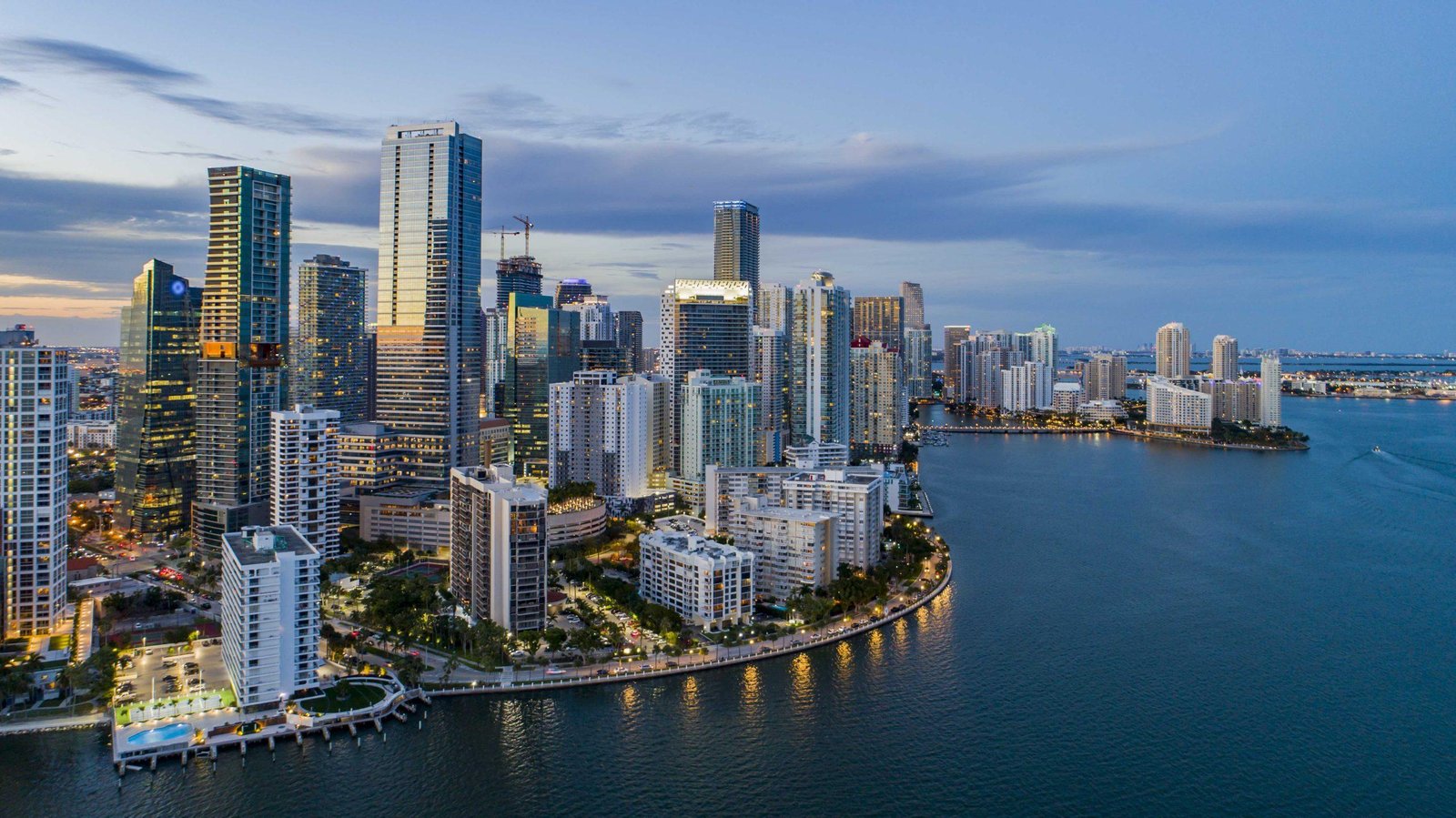
Why Renting in Miami Is So Competitive
Several factors have converged to create Miami's ultra-competitive rental landscape. Understanding these dynamics will help you navigate the market more effectively.
Population Growth: Miami continues to attract new residents from across the country and around the world. Young professionals, remote workers, international transplants, and retirees are all competing for the same limited inventory of quality apartments.
Limited New Construction: While new luxury towers are constantly being built in neighborhoods like Brickell and Edgewater, the supply hasn't kept pace with demand—especially for mid-range and affordable units.
Foreign Investment: Miami attracts significant international investment in real estate, which drives up prices and creates additional competition for rental properties.
Seasonal Demand: Miami's rental market experiences seasonal fluctuations, with peak demand during winter months when northerners escape the cold. This "snowbird season" can make finding apartments even more challenging.
The Hidden Challenges Most Renters Don't Expect
Important Considerations: Many Miami apartments are individually owned condos within larger buildings. This means you may need approval from a condo association board, which can add 2-4 weeks to your move-in timeline and require extensive documentation. Additionally, parking isn't always included and can cost an additional $100-300 per month per space.
Step 1: Determine Your Budget & Financial Readiness
Before you fall in love with any apartment, you need to know exactly what you can afford. Financial preparation is the foundation of a successful apartment search in Miami's expensive market.
Calculate Total Monthly Costs
Your monthly housing costs extend far beyond the base rent. A comprehensive budget must account for all associated expenses to avoid financial strain.
- Base rent: Your primary monthly payment
- Utilities: Electricity, water, internet/cable ($150-300+ monthly)
- Parking: $100-300 per space if not included
- Renters insurance: $15-40 monthly (often required)
- Pet fees: $25-75 per pet monthly if applicable
- HOA fees: Sometimes passed to tenants (varies)
- Storage units: $50-150 if needed
The 30% Rule: Financial experts recommend spending no more than 30% of your gross monthly income on rent. However, in Miami's expensive market, many renters spend 35-40%. Most Miami landlords require proof that your monthly gross income is at least 3x the monthly rent, with luxury buildings often requiring 4x or even 5x.
Credit Score Expectations
Your credit score significantly impacts your rental options in Miami. Understanding these thresholds helps you target appropriate properties.
- 700+: Excellent standing; you'll have your pick of apartments
- 650-699: Good standing; most apartments are available
- 600-649: Fair standing; options are more limited
- Below 600: Challenging; you may need a co-signer or larger deposit
Savings You'll Need
Moving to a new apartment in Miami requires substantial upfront capital. Prepare for these initial costs:
- First month's rent
- Security deposit (typically 1-2 months' rent)
- Application fees ($50-100 per applicant)
- Moving costs ($500-2,000+ depending on distance)
- Initial utilities setup and deposits
- Furniture and household items (if needed)

Step 2: Choose Your Miami Neighborhood Strategically
Miami isn't just one city—it's a collection of distinct neighborhoods, each with its own personality, lifestyle, and price point. Choosing the right neighborhood is crucial to your happiness and is one of the most important decisions when renting in Miami.
Brickell: The Manhattan of the South
Best For: Young professionals, singles, and couples who want an urban, fast-paced lifestyle
Average Rent: $2,500-$4,500+ for 1-2 bedrooms
Vibe: Sleek high-rises, rooftop pools, world-class dining, bustling nightlife, and a business-focused atmosphere. Brickell is Miami's financial district and appeals to those who love vertical living with stunning city views.
Lifestyle Highlights: Upscale restaurants and craft cocktail bars, Brickell City Centre shopping complex, Mary Brickell Village entertainment district, proximity to downtown Miami and the waterfront, and a strong sense of community among young professionals.
Considerations: Can feel touristy at times; traffic during rush hour; limited green space; higher price point.
Wynwood: The Arts & Culture Hub
Best For: Creatives, artists, young professionals who value unique experiences and cultural diversity
Average Rent: $1,800-$3,200 for 1-2 bedrooms
Vibe: Colorful street art, galleries, breweries, trendy restaurants, and an eclectic, bohemian atmosphere. Wynwood has transformed from an industrial warehouse district into Miami's artistic soul.
Lifestyle Highlights: World-famous Wynwood Walls outdoor street art museum, craft breweries and artisanal coffee shops, monthly art walks and cultural events, diverse dining scene from food trucks to upscale restaurants, and close proximity to the Design District and Midtown.
Considerations: Still gentrifying; some areas feel industrial; parking can be challenging; noise from nightlife.
South Beach: The Iconic Miami Experience
Best For: Beach lovers, nightlife enthusiasts, and those who want the quintessential Miami Beach lifestyle
Average Rent: $2,200-$5,000+ for 1-2 bedrooms
Vibe: Art Deco architecture, white sand beaches, world-famous nightlife, international tourists, and non-stop energy. South Beach is what most people picture when they think of Miami.
Lifestyle Highlights: Direct beach access, Ocean Drive and Lincoln Road, top-tier restaurants and celebrity chef establishments, vibrant nightlife and entertainment, and the historic Art Deco District.
Considerations: Very touristy; high cost of living; limited parking; can be loud; seasonal crowds.
Coral Gables: The City Beautiful
Best For: Families, professionals, graduate students, and those seeking a more refined, traditional lifestyle
Average Rent: $2,000-$4,000+ for 1-2 bedrooms
Vibe: Mediterranean-inspired architecture, tree-lined streets, historic charm, excellent schools, and a family-friendly atmosphere. Coral Gables offers suburban elegance within an urban setting.
Lifestyle Highlights: Beautiful residential streets and historic landmarks, Miracle Mile shopping and dining district, proximity to University of Miami, Venetian Pool and other cultural attractions, and safe, walkable neighborhoods with character.
Considerations: More expensive; requires a car; slower pace; fewer nightlife options.
Other Notable Miami Neighborhoods
Coconut Grove: Bohemian waterfront village with lush greenery, sailing culture, and a relaxed vibe. Great for nature lovers and those seeking a neighborhood feel.
Edgewater: Up-and-coming waterfront neighborhood with new construction, parks, and proximity to Downtown, Wynwood, and the Design District.
Downtown Miami: Central location with government buildings, cultural institutions (Pérez Art Museum, Adrienne Arsht Center), and easy access to transportation hubs.
Midtown Miami: Modern mixed-use development with shopping, dining, and entertainment. Popular with young professionals and families.
Step 3: Start Your Apartment Search
With your budget defined and neighborhood selected, it's time to begin your search for Miami apartments for rent. A strategic approach will save you time and help you find the best options.
Best Platforms for Finding Miami Apartments
Different platforms serve different purposes in your apartment search. Using multiple sources increases your chances of finding the perfect rental.
Zillow & Realtor.com: Comprehensive listings with detailed filters, photos, and virtual tours. Great for getting a broad overview of available inventory.
Apartments.com: Specializes in apartment communities and managed properties. Excellent for finding professionally managed buildings with amenities.
Facebook Marketplace & Local Groups: Often features listings from individual landlords and sublets. Can offer better deals but requires more caution.
Craigslist: Still active in Miami but requires extreme caution due to scam prevalence. Never send money before viewing a property in person.
Working with a Real Estate Agent: Many Miami rental agents work for free (landlord pays the commission). They can provide insider access to unlisted properties and handle negotiations.
What to Look for During Virtual Tours
Virtual tours have become standard in Miami's rental market. Knowing what to examine helps you make informed decisions before scheduling in-person viewings.
- Natural lighting and window placement
- Kitchen appliances and counter space
- Bathroom fixtures and storage
- Closet size and organization
- Flooring condition and type
- Building amenities (pool, gym, parking)
- Neighborhood surroundings and noise levels
Questions to Ask Before Scheduling a Viewing
Essential Questions: Is the apartment still available? What is the total monthly cost including all fees? What utilities are included? Is parking included or available? Are pets allowed and what are the fees? What is the lease term? When is the earliest move-in date? What are the application requirements? Is there a condo board approval process?

Step 4: The Application Process
Once you've found your ideal apartment, you need to move quickly and professionally through the application process. In Miami's competitive market, hesitation can cost you the perfect rental.
Documents You'll Need
Having these documents ready before you start touring apartments gives you a competitive advantage. Landlords favor prepared applicants who can move quickly.
- Government-issued photo ID (driver's license or passport)
- Social Security number or ITIN
- Recent pay stubs (last 2-3 months)
- Bank statements (last 2-3 months)
- Tax returns (previous year or two)
- Employment verification letter
- Previous landlord references (last 2-3 addresses)
- Credit report (optional but helpful)
- Pet records and photos (if applicable)
Application Fees and Timeline
Understanding the financial and time commitments of the application process helps you plan accordingly and avoid surprises.
Application Fees: Expect to pay $50-100 per applicant for background and credit checks. These fees are typically non-refundable even if your application is denied.
Processing Time: Standard applications take 1-3 business days. Condo board approvals can add 2-4 weeks to the timeline.
Holding Deposits: Some landlords request a holding deposit to take the unit off the market during processing. This should be refundable if your application is denied through no fault of your own.
What Landlords Look For
Understanding landlord priorities helps you present yourself as an ideal tenant and increases your approval chances.
- Income Verification: Proof of income at least 3x monthly rent
- Credit Score: Typically 650+ for most properties
- Rental History: Positive references from previous landlords
- Employment Stability: Consistent employment history
- Background Check: Clean criminal record
- Eviction History: No previous evictions
Step 5: Understanding Lease Agreements
Your lease agreement is a legally binding contract that governs your tenancy. Understanding every clause protects your rights and prevents costly misunderstandings.
Standard Lease Terms in Miami
Lease Duration: Most Miami leases are 12 months, though 6-month and month-to-month options exist at premium prices. Longer leases (18-24 months) sometimes offer rent discounts.
Security Deposits: Florida law limits security deposits to the equivalent of 2 months' rent for unfurnished units. Landlords must return deposits within 15-60 days after move-out, depending on whether deductions are made.
Rent Increases: Landlords can increase rent at lease renewal with proper notice (typically 60 days in Miami-Dade County). There is no rent control in Miami.
Critical Clauses to Review
Pay Special Attention To: Early termination clauses and penalties, subletting and assignment policies, maintenance and repair responsibilities, guest policies and restrictions, parking allocation and rules, pet policies and additional fees, noise restrictions and quiet hours, renewal terms and rent increase caps, and hurricane preparedness requirements.
Negotiation Opportunities
While Miami's competitive market limits negotiation leverage, certain situations create opportunities for favorable terms.
Longer Lease Terms: Offering to sign an 18-24 month lease may secure a rent discount or waived fees.
Move-In Timing: If you're flexible on move-in dates, landlords may offer concessions to fill vacancies quickly.
Upfront Payment: Some landlords offer discounts for paying multiple months upfront, though this carries risk.
Maintenance Responsibilities: Offering to handle minor maintenance or landscaping may reduce rent in some cases.
Step 6: Avoiding Rental Scams
Miami's competitive rental market attracts scammers who prey on desperate apartment seekers. Awareness and caution protect you from financial loss and disappointment.
Common Red Flags
Warning Signs of Rental Scams: Landlord requests money before showing the property, rent is significantly below market rate for the area, landlord is "out of town" and can't meet in person, pressure to act immediately without proper viewing, requests for wire transfers or cryptocurrency, poor grammar and spelling in communications, landlord asks for personal information before showing property, and property photos appear stolen from other listings.
How to Protect Yourself
Never Send Money Before Viewing: Always tour the property in person before providing any payment. Legitimate landlords understand this requirement.
Verify Ownership: Check public records through the Miami-Dade County Property Appraiser website to confirm the person showing the property is the actual owner or authorized agent.
Meet in Person: Insist on meeting the landlord or property manager face-to-face at the rental property. Video calls are not sufficient verification.
Use Secure Payment Methods: Pay application fees and deposits with credit cards or checks that can be traced and potentially reversed. Avoid wire transfers, cash, or cryptocurrency.
Research the Property: Reverse image search listing photos to check if they're stolen from other listings. Search the address online for any scam reports.
Trust Your Instincts: If something feels wrong or too good to be true, walk away. There are always other apartments available.
Step 7: Move-In Preparation
Proper preparation for move-in day protects your security deposit and ensures a smooth transition to your new Miami apartment.
Move-In Inspection Checklist
Documenting the apartment's condition at move-in is crucial for protecting your security deposit when you eventually move out.
- Take photos and videos of every room from multiple angles
- Document all existing damage, no matter how minor
- Test all appliances and report any issues immediately
- Check all faucets, toilets, and drains for leaks
- Test all light switches and outlets
- Inspect windows and doors for proper operation
- Note any stains, scratches, or wall damage
- Review and sign the move-in condition report with landlord
Essential Utilities and Services to Set Up
Electricity: Florida Power & Light (FPL) serves most of Miami. Set up service at least one week before move-in to ensure power on arrival.
Water: Often included in rent for apartments, but verify with your landlord. If not included, contact Miami-Dade Water and Sewer.
Internet and Cable: Major providers include Xfinity, AT&T, and Hotwire. Compare plans and schedule installation 1-2 weeks in advance.
Renters Insurance: Required by most landlords and protects your belongings. Costs $15-40 monthly for adequate coverage.
Parking Registration: If your building requires parking permits or stickers, register your vehicle immediately to avoid towing.
Hurricane Preparedness
Living in Miami means preparing for hurricane season (June through November). Understanding your responsibilities and building protocols is essential.
- Know your building's hurricane plan and evacuation routes
- Understand your lease's hurricane clause and responsibilities
- Purchase hurricane supplies (water, non-perishable food, flashlights, batteries)
- Know how to secure windows and balcony furniture
- Have renter's insurance that covers hurricane damage
- Keep important documents in waterproof containers
- Identify your evacuation zone and nearest shelter
Let Us Help You Find Your Perfect Miami Rental
Our expert team knows Miami's rental market inside and out. We'll help you navigate the competition, avoid scams, and secure the apartment of your dreams.